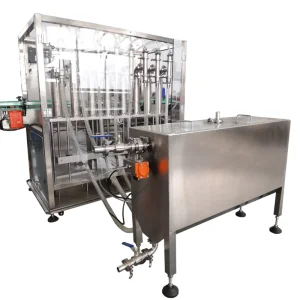
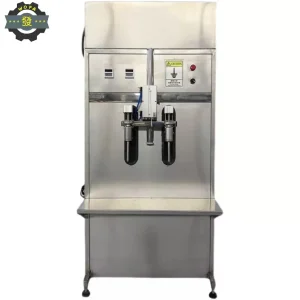
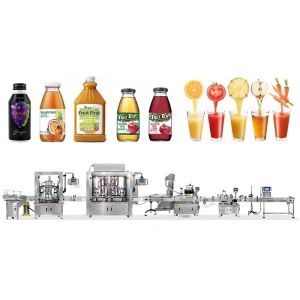
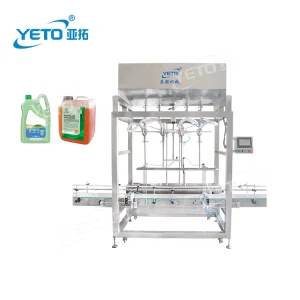
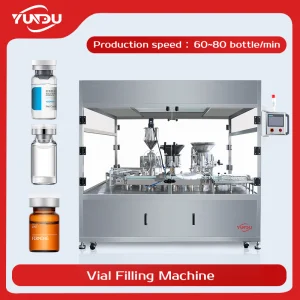
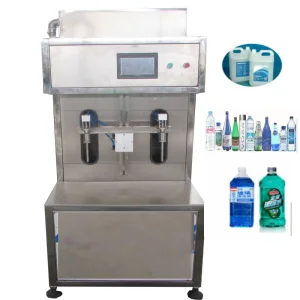
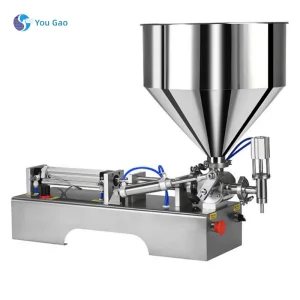
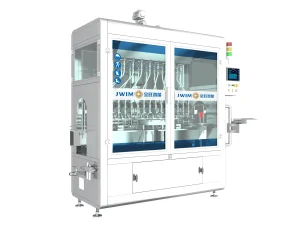
Explore our premium high-performance bottle filling and packaging configurations engineered for absolute dosage accuracy, structural integrity, and automated line efficiency.
The global fluid bottling sector is experiencing a rapid technological evolution driven by Industry 4.0 automation, stringent sanitary requirements, and the need for higher Overall Equipment Effectiveness (OEE). Today's packaging engineers no longer just look for basic dispensing units; they require smart, integrated systems capable of managing complex fluid dynamics, varied bottle geometries, and rapid product changeovers without risking cross-contamination.
From low-viscosity chemicals and spirits to highly viscous suspensions like industrial pastes, hot-pour waxes, and cosmetic lotions, modern automatic bottle filling plants utilize advanced PLC architectures, closed-loop feedback systems, and servo-driven control systems to achieve filling accuracies up to ±0.5%. Navigating the vast market landscape requires a profound understanding of fluid behavior, machine materials compatibility, and sanitary standards (e.g., FDA, GMP, and CE certification).
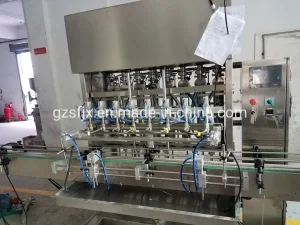
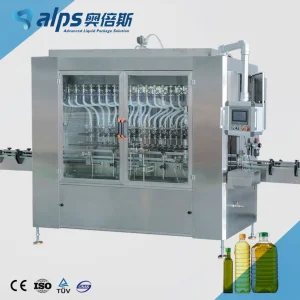
Advanced volumetric and servo-driven pistons keep variance to absolute minimums.
Constructed with SUS304/SUS316L stainless steel for fast Clean-In-Place cycles.
Sourcing teams must understand how liquid characteristics, viscosity (cPs), and container configurations define the optimal filling method.
| Filling Principle | Typical Viscosity Range | Core Application Verticals | Key Engineering Advantages |
|---|---|---|---|
| Volumetric Piston Filling | Medium to Extremely High (1,000 - 100,000+ cPs) | Honey, Creams, Peanut Butter, Wax, Sauces | High mechanical force, exact volumetric dosing regardless of viscosity shifts. |
| Gravity & Overflow Filling | Low to Medium (< 1 - 1,000 cPs) | Juices, Water, Chemical Solvents, Perfumes | Perfect fill-to-level visual alignment, low maintenance, excellent for glass/clear plastic. |
| Rotor/Lobe Pump Systems | High & Shear-Sensitive Fluids | Pharmaceutical Gels, Emulsions, Dairy pastes | Continuous non-destructive product transfer, clean sanitary design, easy CIP. |
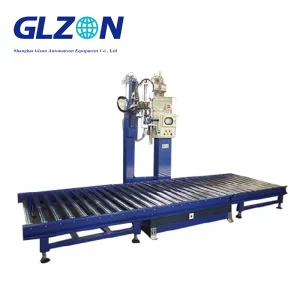
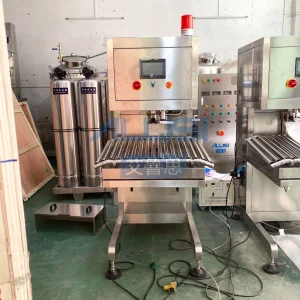
| Net Weight Filling | Varying Viscosities / High-Value Liquids | Industrial Agrochemicals, Engine Oils, Corrosives | Independent of temperature/density fluctuations, perfect compliance tracking. |
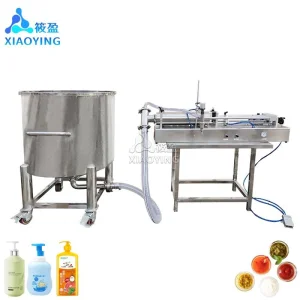
Utilizes air-driven or servo-controlled cylinders to draw and expel precise fluid volumes, resolving dosing discrepancies caused by micro-temperature shifts in viscous materials like waxes and syrups.
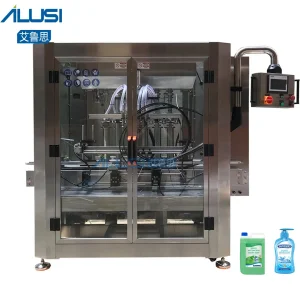
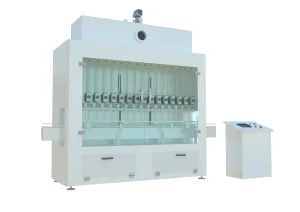
Uses dual-nozzle mechanisms to return excess liquid back to the main reservoir, maintaining an identical liquid level line in every container regardless of minor internal glass or plastic thickness variations.
For highly acidic, basic, or halogenated compounds (e.g., strong bleach, pesticides), metal parts are completely swapped for non-reactive polymers (PP/PVC/PVDF) ensuring machine longevity.
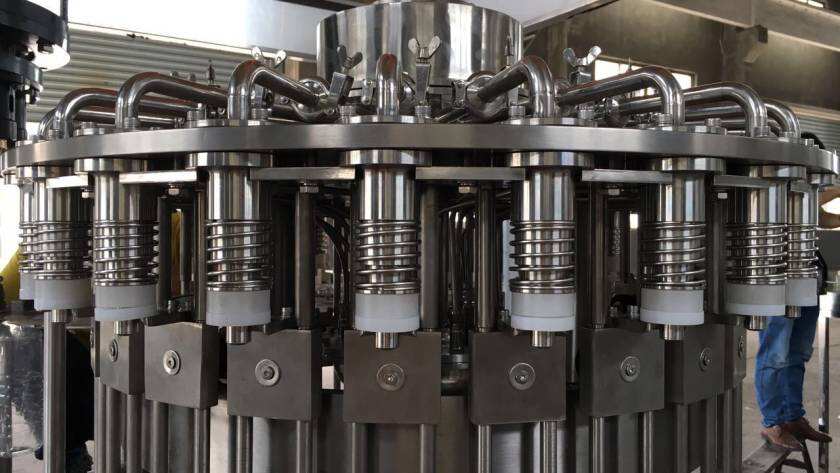
China has consolidated its position as the global powerhouse for automated packaging machinery. The efficiency advantage of Chinese manufacturers stems from specialized regional supply chains, highly integrated engineering clusters, and access to premium raw materials. Leading players utilize state-of-the-art multi-axis CNC milling centers, ensuring tight tolerances for sealing components and rotary valve assemblies.
Moreover, Chinese manufacturers excel in modular flexibility. Unlike rigid Western equipment catalogs, Chinese engineering teams like Hebei Yongli can readily customize filling nozzles, conveyor lengths, indexing systems, and container configurations to fit existing production footprints, saving procurement departments hundreds of thousands of dollars in line redesigns.
A closer look at how automatic bottle filling systems integrate into specialized vertical workflows globally.
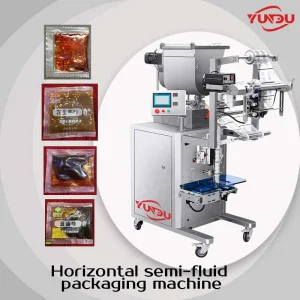
Strict sanitary systems with quick-release tri-clamp connections and complete CIP (Clean-in-Place) compatibility. Handles sauces, honey, dairy products, and juices under strict HACCP rules with hot-filling support up to 95°C.
Built with explosion-proof motors (ATEX/IECEx compliant) and anti-corrosive PTFE seals. Accommodates harsh chemical compounds, heavy lubricating oils, and bulk volume requirements (such as 1000L IBC setups).
Equipped with specialized diving nozzles that prevent foaming during rapid bottom-up fills. Perfectly handles thick, sticky lotions, shampoos, and temperature-sensitive liquid waxes requiring active hopper heating/mixing elements.
Founded in 2009, Hebei Yongli Machine Co., Ltd covers a modern industrial production area of 15,000㎡. We have grown to become a leading enterprise in the research, design, engineering, and manufacturing of liquid and beverage packaging machines.
Our comprehensive production program includes: industrial water treatment plants, beverage and daily chemical bottle filling equipment, labeling machines, film shrink wrapping units, carton packaging machinery, and complete, turnkey liquid processing production lines. We bridge the gap between engineering theory and flawless workshop execution.
At Hebei Yongli, we provide end-to-end service support, executing professional change management workflows that integrate seamlessly with your plant's existing protocols. We are dedicated to ensuring maximum uptime and efficiency for your operation.
Comprehensive bottle geometry design, custom label dimensions, and layout configurations mapped to your floor plan.
Following initial down payment, our engineers begin structural fabrication using custom CAD schematics and precision CNC milling.
Once machinery arrives at your facility, our skilled technicians deploy for on-site installation, debugging, and employee training.
We provide continuous free online after-sales support and free replacement of warranty-period spare parts.
Staying ahead in the industrial manufacturing ecosystem requires investing in machines built for tomorrow.
Replacing traditional pneumatic cylinders with servo-driven actuators. This allows real-time adjustments of stroke lengths via the HMI touchscreen, enabling 100% recipe-driven changeovers in seconds.
As brands move to lightweight plastic bottles to reduce environmental footprints, gravity-flow and overflow filling heads are modified to prevent vacuum collapse on highly flexible walls.
Modern bottling systems use smart sensors to track nozzle performance, detect seal wear before leaks occur, and connect directly to plant MES systems for real-time OEE reporting.
A successful filling line must operate as a singular, cohesive organism. Check our primary components checklist below.
A common mistake in packaging procurement is sourcing filling, capping, and labeling units independently without aligning communication interfaces. This creates line imbalances, accumulator jams, and severe throughput drop-offs.
Hebei Yongli specializes in design and delivery of Turnkey Bottling Production Lines, ensuring every component — from the initial water purification plant, down to filling, sealing, wrapping, and secondary packaging — communicates smoothly via centralized EtherCAT or PROFINET industrial buses.
Find answers to critical engineering, manufacturing, and shipping questions below.
Explore additional high-performance solutions designed to complete your packaging production line.
 Yongli Machine