Engineered for high accuracy, minimal foam generation, and clean fluid cutoff.
How local infrastructure and sector modernization drive the demand for low-viscosity filling technology.
Genoa (Genova), long recognized as the crowning maritime logistics hub of Northern Italy, is undergoing a profound industrial transition. Beyond its historic shipyards and bustling port terminals, the Liguria region has developed a highly specialized commercial framework encompassing fine chemical synthesis, high-end olive oil bottling, artisanal spirits, regional cosmetic production, and biotechnology. Because of the city's strategic access to Mediterranean shipping routes and European land-corridors, manufacturing firms in Genoa demand equipment that delivers both high throughput and extreme compliance security.
In low-viscosity liquid packaging (products with viscosity ratings similar to water, alcohol, solvents, juices, and thin oils), the engineering focus lies on controlling flow velocity, eliminating product splash back, and preventing foam buildup. Genoa’s strict environmental laws and compliance codes require local suppliers and operations to utilize equipment that guarantees zero drip and exact volumetric consistency. For maritime export hubs, cargo space and shelf-life timelines are tight; packaging must be flawless from the first run. The regional demand is shifting from manual or basic pneumatic machines toward fully integrated, smart-sensor-guided automatic lines.
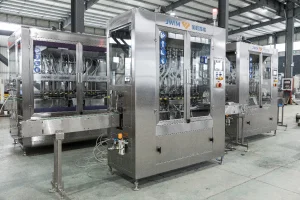
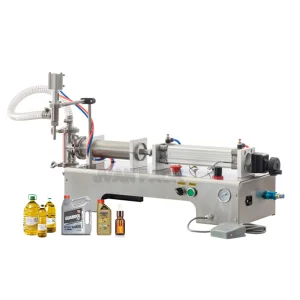
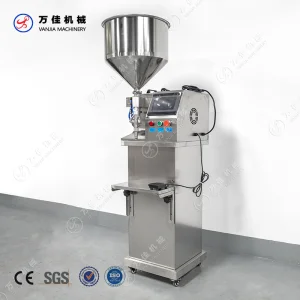
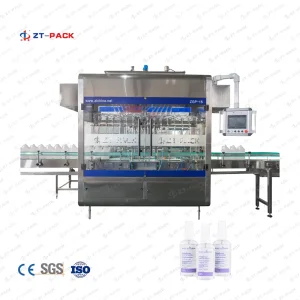
Different low-viscosity liquids require dedicated filling architectures to ensure they perform without turbulence or contamination:
Modern Manufacturing Center
Established Year
Filling Accuracy Standard
CE & ISO Compliant Designs
Assisting packaging engineers in making informed, high-information-gain capital equipment selections.
When selecting low viscosity liquid filling machinery for a manufacturing facility in Genoa or global shipping depots, understanding the exact fluid dynamics of your product is essential. Below is an engineering-grade matrix outlining the primary mechanism categories we build to optimize performance:
| Technology Type | Working Principle | Best Application Scenarios | Key Safety / Efficiency Benefits |
|---|---|---|---|
| Gravity Filling | Uses time-regulated pneumatic pinch valves to allow fluid to flow under gravity into the container. | Water, thin juices, chemical solvents, vinegar. | Extremely hygienic, simple maintenance, cost-effective for non-foaming liquids. |
| Piston Filling (Volumetric) | A mechanical piston forces an exact volume of liquid from a cylinder into the container. | Liqueurs, light honey, organic essential oils, cosmetic serums. | High mechanical accuracy (±0.5%), handles slight variations in product density. |
| Overflow Filling | Fills the container to a exact height; excess product returns to a central reservoir. | Glass bottles where identical cosmetic appearance is critical (e.g., wine, perfumes). | Visually uniform fill levels even in irregular glass containers; reduces product waste. |
| Anti-Corrosive Microcomputer Filling | Uses non-metallic pump heads and time-controlled sensor gates. | Pesticides, chlorinated detergents, strong acids. | Extended machine life, safety guards for operators, high corrosion resistance. |
Why modern manufacturing demands resilient supply networks and smart-automation integration.
In the contemporary packaging sector, sourcing industrial machinery is no longer just about searching for the lowest price point. Buyers in Italy, throughout Europe, and across the globe prioritize supply chain resilience, modular serviceability, and software-driven diagnostic capabilities. High-speed shipping hubs like Genoa require quick-turnaround support networks. A single day of line downtime can translate to tens of thousands of Euros in lost productivity and logistics penalties.
China Factory 4.0: Supply Chain Resilience & Efficiency Advantages:
Leveraging China’s advanced Industrial 4.0 infrastructure allows manufacturers like Hebei Yongli Machine Co., Ltd to build robust, component-standardized machinery that directly addresses the pain points of European operators. By combining digital design validation, robotic assembly precision, and vertical integration of the metals and electronics supply chain, our systems deliver exceptional value without compromising on component quality. Every machine is constructed using universally recognized components (e.g., Siemens PLC, Festo pneumatics, Omron sensors), ensuring that local maintenance engineers in Genoa or anywhere in Europe can quickly source wear-and-tear items locally if emergency replacement is ever needed.
Furthermore, digital simulation during the design stage ensures the machinery layout exactly matches the space constraints of the client's plant. Through modular design, we reduce shipping dimensions—a vital factor given high maritime transport rates—without sacrificing structural stability or output capability.
Get in touch with our applications engineers to get a custom CAD layout design and tailored volumetric filling quotation.
Send Inquiry NowA Leading Enterprise in Liquid and Beverage Packaging Innovation since 2009.
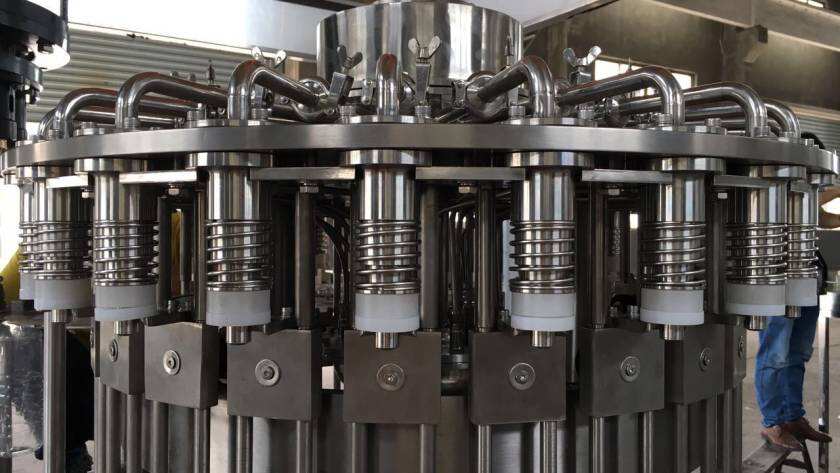
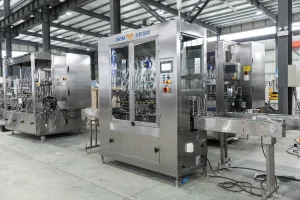
Hebei Yongli Machine Co., Ltd was founded in 2009. Our modern manufacturing facility covers a vast area of 15,000㎡, optimized for research, high-precision machining, and structural assembly. We stand as a leading enterprise in the research, development, and production of high-performance liquid and beverage packaging machines globally.
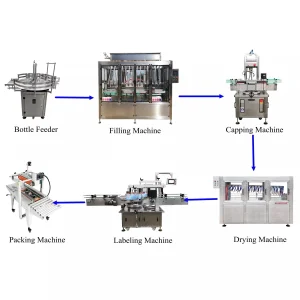
Our main products are engineered for dependability and ease of operation. They include: water treatment plants, beverage and daily chemical filling systems, state-of-the-art labeling machinery, high-speed film shrink wrapping machines, automated carton packers, and fully integrated beverage processing production lines.
Over the past decade, we have established a robust engineering culture that prioritizes customer success. By implementing strict quality checks at every step of manufacturing, we ensure that every machine leaving our facility is prepared to meet the demands of continuous, multi-shift production schedules.
Comprehensive lifecycle support for your packaging operations.
We work closely with you to design bottle configurations, label positioning, and optimized machine layouts tailored precisely to your factory footprint and production demands.
Upon down payment confirmation, we execute manufacturing under strict quality controls, matching the equipment assembly to your bottle samples and material specifications.
Once the machinery arrives at your factory, our dedicated technical team is dispatched to perform installation, startup debugging, and operators' hands-on training.
We provide long-term online after-sales diagnostics and supply free replacement components within the warranty period to keep your line running smoothly.
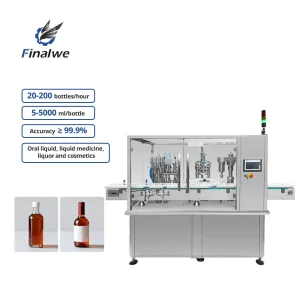
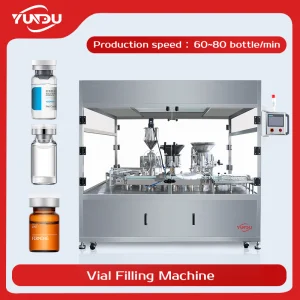
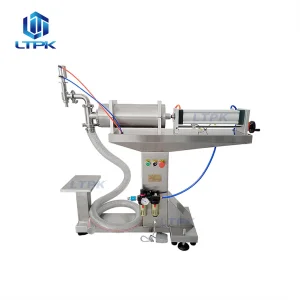
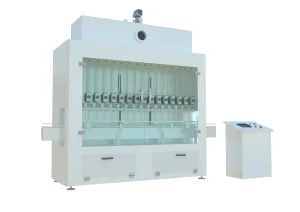
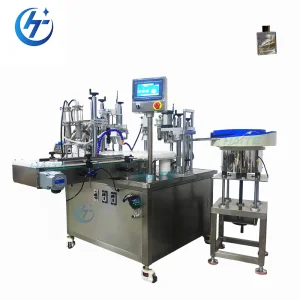
Explore our full line of specialized filling, capping, and packaging systems.
Expert technical insights to resolve common procurement and operating concerns.
Low-viscosity liquids generally exhibit viscosity ratings under 100 Centipoise (cP) at standard room temperature. Typical examples include water, light solvents, cosmetic toners, spirits, and thin juices. Visually, they flow easily and tend to splash or foam under pressure, meaning the machinery must use gravity or overflow nozzles designed to release air smoothly while checking flow speed.
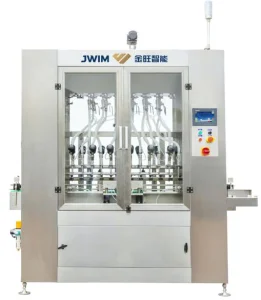
Our gravity machines, such as the Cdp-16A series, utilize sub-surface filling nozzles. These dive deep inside the bottle and rise incrementally as the fluid rises. This minimizes turbulence, prevents aeration, and controls foam formation. Integrated drip-stop mechanisms ensure clean nozzles and prevent splashing between containers.
Machinery installed in Genoa and other Italian ports must carry the CE marking, confirming compliance with EU safety, health, and environmental standards. Additionally, contact surfaces for food, beverage, or pharmaceutical lines must be manufactured from FDA-compliant, food-grade materials like SS304 or SS316 stainless steel to ensure safety and hygiene.
While possible in theory, we do not recommend using the same machine for both chemical and food lines due to cross-contamination risks. Agro-chemical systems often incorporate specialized chemical-resistant seals (Viton or PTFE) and anti-corrosive materials, whereas food lines prioritize polished stainless steel and quick-connect components for frequent sanitation cycles.
We supply complete engineering support, starting with detailed pre-sale layout layouts. Following delivery to Genoa, we can dispatch qualified technicians to perform setup, debugging, and operators' hands-on training. In addition, we offer online video support and rapid spare parts shipping to keep downtime to a minimum.
 Yongli Machine