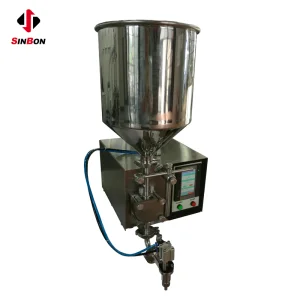
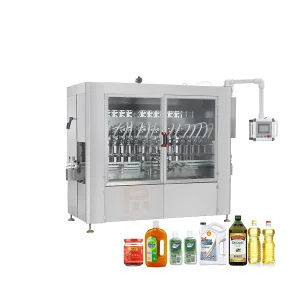
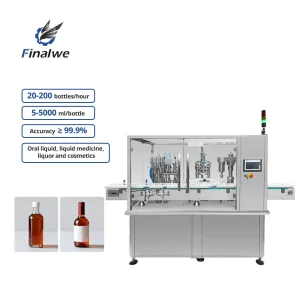
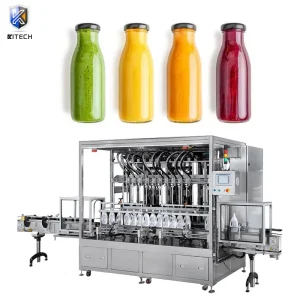
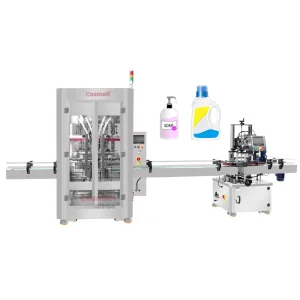
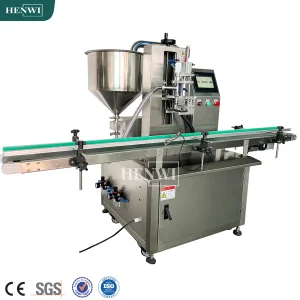
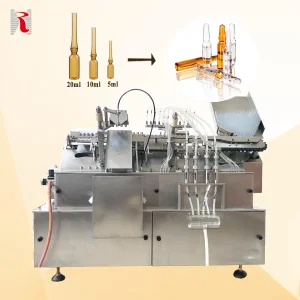
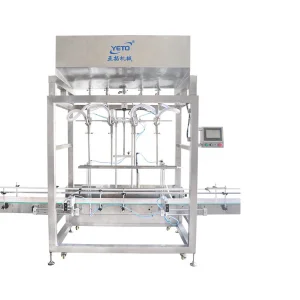
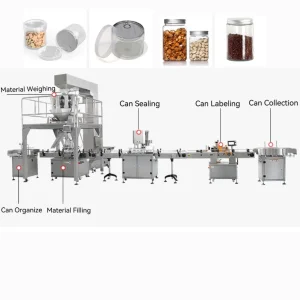
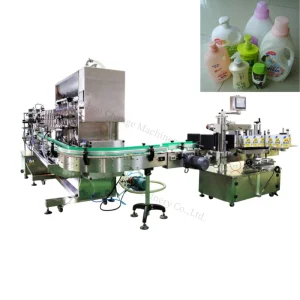
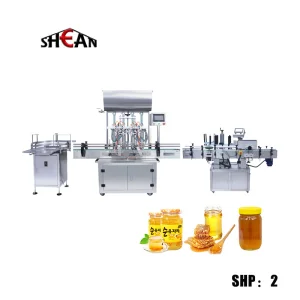
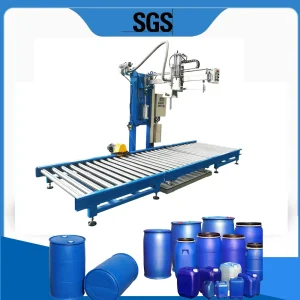
Explore our premium machinery range designed specifically for thick, paste-like, and semi-solid products.
Providing high-precision dosing and bubble-free deposition for high-viscosity formulations.
In modern industrial manufacturing, packaging fluids with a high dynamic viscosity index (ranging from 5,000 cPs up to over 500,000 cPs) presents unique physics challenges. Typical gravity-fed filling configurations fail to overcome the shear resistance inherent in products like heavy cosmetics creams, polymers, architectural sealants, and high-density foodstuffs. These fluids demonstrate non-Newtonian flow patterns, specifically thixotropy (viscosity decreasing over time under constant shear stress) and pseudoplasticity. If processed through poorly engineered pumping circuits, they are prone to cavitational pockets, product aeration, mechanical degradation, and volumetric drift.
For operations utilizing custom OEM networks, the key to successful scaling lies in matching the mechanical delivery mechanism to the product's precise fluid profile. Standard gear pumps can degrade long-chain molecules found in specialized hair serums or synthetic lubricants, while low-clearance piston cylinders might experience excessive heat buildup when cycling thick pastes. Specialized Hebei Yongli volumetric rotary piston systems and servo-driven positive displacement systems solve these issues by managing mechanical pressure and shearing values to maintain structural product integrity.
Utilizing high-torque servo motors allows programmable profiling of the piston stroke. Operators can change the draw-in and discharge speeds dynamically to minimize aeration and splash back during bottling runs.
Constructed using pharmaceutical-grade SUS316L stainless steel contacts. Features tool-less disassembly configurations alongside integrated Clean-In-Place (CIP) systems to comply with strict FDA regulatory guidelines.
Features pneumatically-actuated rotary shut-off nozzles and blow-back systems. Designed to instantly shear high-viscosity product tails and prevent contamination of container threads or seals.
Ensuring compliance across diverse markets with UL, CSA, CE, and explosion-proof regulatory frameworks.
Deploying paste or paint filling equipment globally requires a thorough understanding of localized industrial standards. When engineering equipment bound for EU jurisdictions, full compliance with the Machinery Directive 2006/42/EC and low-voltage standards is essential. For North American sites, PLC modules and control panels must integrate UL 508A certified parts and show compliance with NFPA 79 specifications. This attention to detail guarantees seamless mechanical implementation and passes municipal safety reviews with ease.
For applications handling flammable materials, like alcohol-heavy cosmetic sanitizers or petro-chemical adhesives, standard mechanical interfaces are not sufficient. System integrations must incorporate certified Explosion-Proof (ATEX / IECEx Class I Div 1 / Zone 1) configurations. Hebei Yongli offers custom packages including intrinsically safe pneumatic controls, pressurized control panels, and explosion-proof motor casings. This design prevents electrical discharges from igniting solvent vapors, protecting plant personnel and shielding facilities from operational downtime.
Our engineering process handles complex projects from initial concept through prototype validation and final mass production commissioning:
We analyze fluid samples at varying temperatures and shear rates to establish the optimal pump mechanism (piston vs. gear) and valve diameter.
We design custom components, including custom hoppers, jacketed heating systems, motorized scraping units, and custom multi-nozzle manifolds.
Factory Acceptance Testing (FAT) is conducted using the customer's actual containers and bulk fluids to verify performance stability under real-world conditions.
A leading manufacturing enterprise specializing in fluid processing and bottling line design.
Founded in 2009, Hebei Yongli Machine Co., Ltd covers an area of 15,000㎡, functioning as a premier manufacturer in the research, development, and execution of liquid and beverage packaging machines. With decades of mechanical experience, we provide complete, integrated configurations that include advanced water treatment systems, daily chemical filling devices, labeling modules, heat shrink packaging systems, and carton packers.
Our engineering division develops custom solutions for daily chemical products, cosmetic lines, pharmaceutical applications, and food products. By utilizing modern machining tools and maintaining strict quality inspection processes, we ensure that every machine leaving our facility meets international standards for quality and operational durability.
We provide comprehensive analysis to assist you. This includes bottle shapes, label alignment options, and customized factory floor layout drawings optimized for efficient floor space usage.
Production begins immediately following receipt of drawing confirmation. Our assembly teams fabricate and program the system to align with your customized container shapes and dimensions.
Once equipment arrives at your facility, our field service engineers manage assembly, fine-tune PLC parameters, and train your staff on daily operations.
We offer technical troubleshooting support online and send replacement parts promptly within warranty intervals. Our team helps you adapt existing machinery configurations to process new fluid viscosities and container designs.
Detailed engineering insights addressing the key questions of production managers and fluid packaging teams.
The decision is based on product viscosity, chemical composition, and sensitivity to shear. Servo-driven piston systems excel with highly viscous materials (above 50,000 cPs) containing particulates or fibers, such as pulpy sauces or heavy cosmetic pastes, because they offer precise volumetric control without damaging the product structure. Servo gear pumps are ideal for self-leveling fluids under 50,000 cPs, such as shampoos, gels, and medium oils, enabling rapid cleanups and quick volume adjustments directly via the HMI.
We prevent product aeration and bubbling using three key features: bottom-up filling where servo nozzles submerge and rise in synchronization with the liquid level; specialized vacuum-sealed product hoppers; and customized nozzle sizes that minimize product velocity and turbulence.
For products like honey, wax, or heavy industrial fats, viscosity drops as temperature increases. We build double-walled jacketed hoppers with hot oil or water circulation, coupled with internal heating rods in the product lines. This keeps the material at its optimal flow temperature to ensure consistent dosing weights.
For slightly corrosive or acidic chemical products, we utilize SUS316L steel alongside Teflon (PTFE) or Viton dynamic seals. Under continuous operation, seal rings should be inspected every 3 months. Rotary piston cylinders and dosing valves should undergo diagnostic checks every 6 months to maintain high volumetric accuracy.
Yes, our automated packaging lines feature tool-less changeover setups. You can adjust the conveyor guide rails, neck clamps, and filling heights using manual handwheels or pre-configured recipes directly on the PLC screen. This reduces downtime during container changes to less than 15 minutes.
A standard semi-automatic configuration can be delivered in approximately 30 to 40 days. For fully custom, multi-head automatic packaging lines that require integration with capping and labeling systems, lead times range from 60 to 75 days. This allows ample time for structural engineering, component fabrication, and rigorous Factory Acceptance Testing (FAT).
Turnkey packaging solutions designed for precise fluid control, high productivity, and long-term durability.
 Yongli Machine