Explore our high-performance liquid filling systems designed for extreme precision, high efficiency, and full industrial compliance.
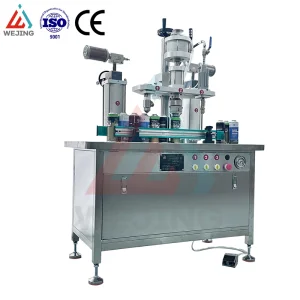
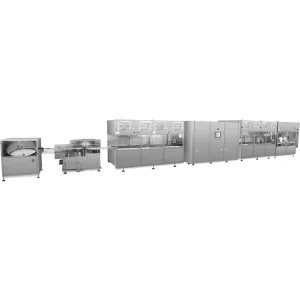
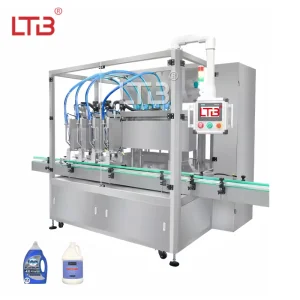
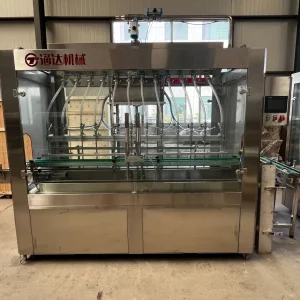
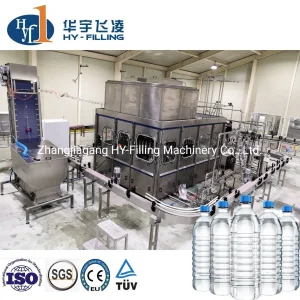
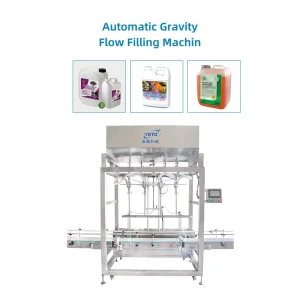
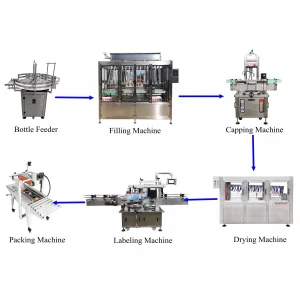
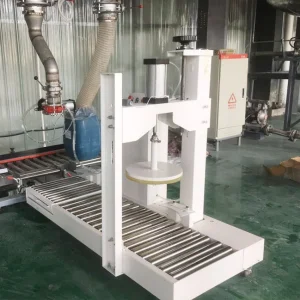
The carbonated beverage industry is experiencing unprecedented structural growth. Modern consumers demand everything from classic colas and sparkling waters to functional kombuchas and carbonated energy infusions. Managing carbon dioxide (CO2) saturation levels requires sophisticated isobaric (counter-pressure) filling machinery. These systems must eliminate oxygen absorption, optimize foam management, and maintain exact pressure dynamics during the high-speed transfer process.
As factories transition toward lean, digital manufacturing ecosystems, the demand for highly adaptive bottling lines has skyrocketed. Today's global carbonated drink filling machine factories must deliver units that adapt seamlessly to diverse container types—ranging from lightweight PET bottles to sleek aluminum cans and traditional glass bottles. This shift requires machines with integrated hygienic sealing systems, advanced flow meters, and precise pressure control to minimize yield loss and maximize operating margins.
A closer look at the advanced physics and fluid dynamics that keep carbonated beverages stable, sterile, and carbonated during high-volume production.
| Process Step | Underlying Technology | Target Parameter |
|---|---|---|
| 1. Air Evacuation | Vacuum Pump & CO2 Flushing | O2 Levels < 0.05 mg/L |
| 2. Pressurization | Counter-pressure Valve Balance | Pressure parity at 4–6 bar |
| 3. Isobaric Filling | Laminar Flow Deflector Nozzles | Zero turbulent foaming |
| 4. Decompression | Multi-stage Snifting System | Controlled gas release |
For carbonated soft drinks (CSDs), sparkling wines, and sodas, carbon dioxide is dissolved under pressures ranging from 3.0 to 4.5 volumes of gas. If pressure drops sharply during filling, the dissolved CO2 flashes into gas. This causes excessive foaming, inaccurate fill levels, and bottle collapse. Isobaric filling resolves this by pressurizing the empty bottle with CO2 to match the pressure of the main reservoir before the liquid valve opens.
Furthermore, managing Total Package Oxygen (TPO) is critical to extending product shelf life. Our machines use pre-evacuation cycles to replace the oxygen inside empty containers with inert carbon dioxide. This process helps preserve flavor integrity, prevents oxidation, and secures product safety without the use of chemical preservatives.
Leading enterprise in research and production of liquid and beverage packing machines.
Hebei Yongli Machine Co., Ltd was founded in 2009, our company covers an area of 15,000㎡. We are a leading enterprise in research and production of liquid and beverage packing machines. Our main products includes: water treatment plant, beverage and daily chemical filling machine, labeling machine, film shrink wrapping and carton packing machine, beverage processing and production lines.
By blending robust engineering, premium raw materials, and smart automation systems, we ensure that every machine leaving our facility meets global industrial standards. Our state-of-the-art manufacturing plant enables us to customize turnkey packaging systems that easily adapt to the distinct production conditions of our clients around the world.
Please refer to our service, we have the best service for you, Podcasting operational change management inside of workflows. Sed ut perspiciatis unde omnis
Bottle, label and machine layout design according to customers' request.
After down payment, we start to manufacture the machine according to the bottle and layout design.
After machines arrive in customers factory, we will send our technicians to do the installation, debugging and training.
We give free online after-sales support, freely spare parts during warranty period.
Operating beverage machinery on a global level demands strict compliance with international engineering, mechanical, and food safety standards. Our carbonated drink filling machines are engineered to align with standards like CE (European Conformity), FDA food-grade contact certifications, and UL/CSA electrical standards for North America.
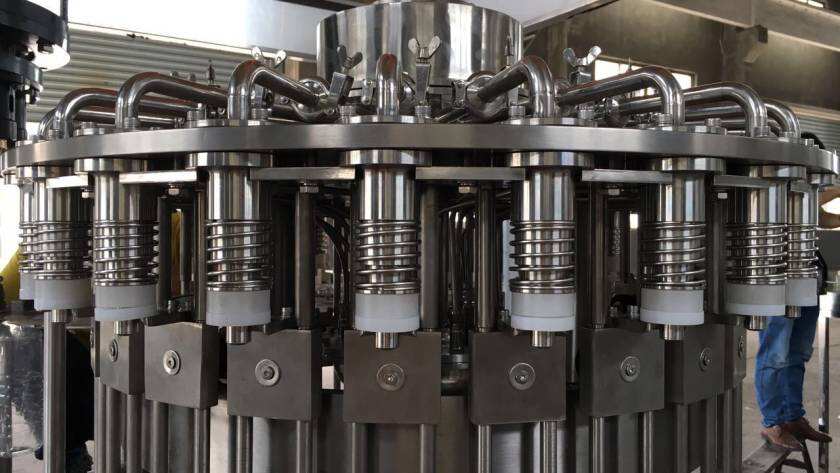
We build our machines with premium SUS304 and SUS316L stainless steel to ensure high corrosion resistance and simple cleaning. The integrated CIP (Clean-in-Place) spray balls and sanitary piping guarantee that cross-contamination is eliminated. This makes our filling systems suitable for both everyday soft drinks and sensitive pharmaceutical applications.
Additionally, our support network ensures that spare parts are delivered quickly and technical assistance is available 24/7. This helps keep your production lines running smoothly and minimizes unexpected downtime.
Maintaining a clean production environment is critical in beverage packaging. Our systems feature closed cabinet structures, HEPA filtration canopies, and automated sanitizing loops to keep external pollutants away from the filling area. This helps preserve your beverage's freshness and extends its shelf life without requiring chemical additives.
Every filling valve is designed for smooth liquid flow, reducing friction and turbulence. This helps prevent carbonation loss and ensures accurate fill levels across glass, plastic, and metal containers alike.
An overview of the next-generation technologies that are making bottling lines smarter, faster, and more environmentally sustainable.
Real-time monitoring systems track machine performance, valve pressure, and utility consumption, helping teams spot maintenance needs before downtime occurs.
Automated dosing systems adjust CO2 injection levels on the fly, matching product recipes and ambient temperature changes automatically.
Next-generation filling valves are engineered to consume less electricity and water, helping plants cut utility costs and reduce their environmental footprint.
Modular toolless changeover parts let operators switch production lines from glass bottles to PET containers in under 15 minutes.
Expert answers to the most common technical and operational questions about carbonated filling lines.
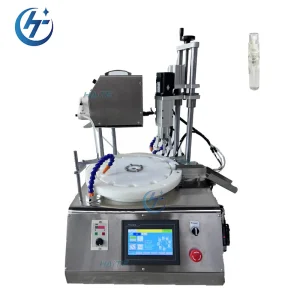
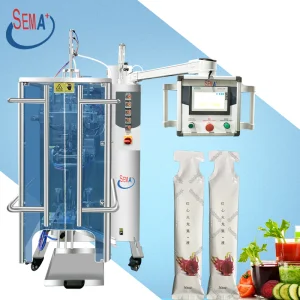
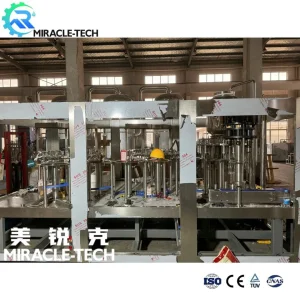
Explore our additional systems designed to optimize packaging speeds and handle diverse liquid viscosities.
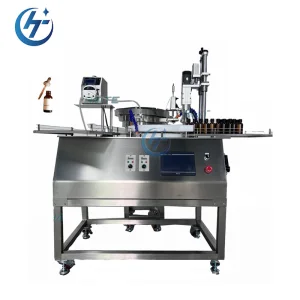
 Yongli Machine