Precision-engineered machinery customized for processing local natural extracts, dairy products, oils, and beverage applications.
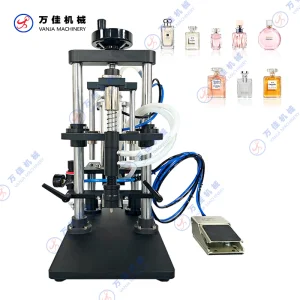
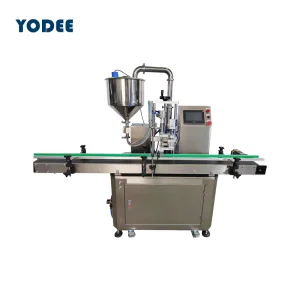
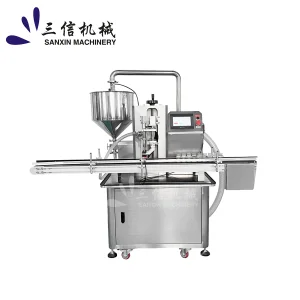
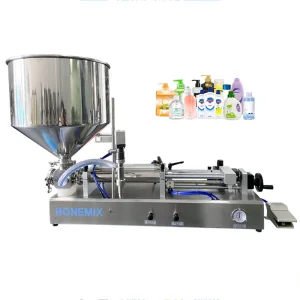
Namibia is globally renowned for its high-value organic botanical extractions, specifically cosmetic-grade Marula oil, Kalahari Melon seed oil, and Ximenia oil. Dosing these high-cost fluids requires zero-drip mechanisms, high accuracy limits (within ±0.5%), and food/cosmetic-grade sanitary execution (SUS316L stainless steel) to prevent precious product loss and chemical degradation during filling operations.
Local processors of pasteurized milk, artisanal juices (such as indigenous Eembe and cactus pear juice products), and craft spirits face unique packaging challenges. Volumetric piston systems and gravity feed options provide these regional operators with the agility to shift between varied batch sizes, diverse glass/plastic bottle shapes, and specific pasteurization temperatures without comprehensive retooling.
Manufacturing plants operating in dry, hot conditions (such as industrial sectors around Windhoek, Walvis Bay, or northern Oshakati) require resilient, dust-resistant control panels and components. Fully pneumatic designs offer extreme reliability in regions with voltage instability, removing sensitive electronics in favor of highly durable, compressed-air-driven mechanical logic.
Choosing the correct technical mechanism is imperative to secure process precision, maintain sanitization standards, and match fluid viscosities.
Different fluid characteristics require entirely distinct mechanical pathways to achieve high dosing accuracy. For thin liquids, such as mineral water, spirits, and clear juices, negative pressure vacuum or gravity flow is highly efficient, avoiding product foam-up and providing consistent visual fill-levels. For highly viscous products—including Namibian honey, sauces, heavy creams, shampoos, and high-density industrial gels—volumetric piston fillers or servo-driven rotary lobe pump systems are mandatory.
Furthermore, critical sanitary configurations like peristaltic pump fillers isolate the product entirely inside sterile pharmaceutical-grade tubing. This prevents cross-contamination, making it the primary technical choice for regional pharmaceutical laboratories, diagnostics, and high-purity medical packaging operations.
Established in 2009, Hebei Yongli Machine Co., Ltd covers an expansive manufacturing footprint of over 15,000㎡.
We are a leading developer and direct exporter of premium liquid packaging machinery, focusing on water treatment plants, beverage and daily chemical filling units, labeling machinery, shrink wrapping systems, and fully integrated production line assemblies. Our commitment is focused on precision engineering, robust material selection (primarily premium SUS304 & SUS316L stainless steels), and intuitive controls built for immediate commercial exploitation.
Whether configuring small desktop peristaltic systems for boutique cosmetics producers or heavy-duty automatic single head rotary pump networks for honey and jam packaging, we maintain rigorous design standards, validating our position as a preferred global manufacturer.
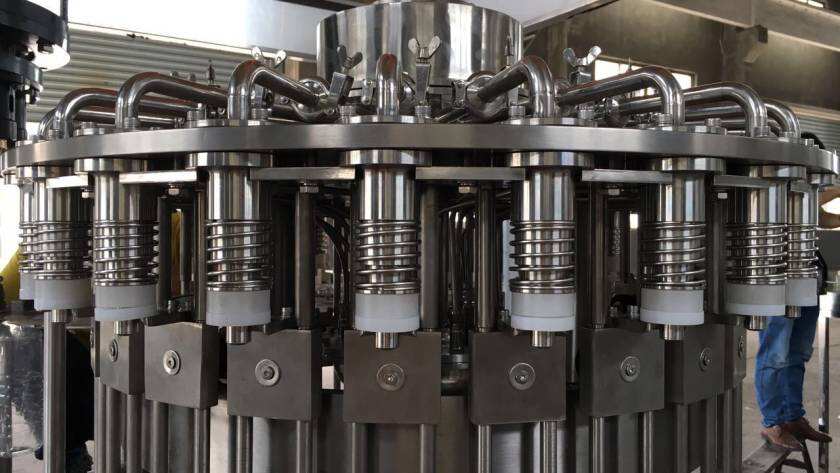
We support Namibian and international purchasers through every developmental phase, from custom blueprint layout designs to local commissioning.
Complete container, bottle, label, and machinery layout designs developed dynamically to align directly with your plant dimensions and throughput goals.
Upon deposit verification, our engineering teams construct machinery tailored to your target physical bottle heights, fill volumes, and product viscosities.
When machines arrive in your facility, we deploy our skilled field technicians to manage site installation, system debugging, and localized operator training.
Complimentary online engineering assistance is standard, alongside rapid procurement and shipping of replacement components during the warranty period.
As regional plants in Namibia face increased demand for efficiency and tracking, we integrate modern IoT and diagnostic protocols into our single head systems.
Shifting from mechanical valves and standard air cylinders to programmable servo-driven actuation allows operators in Windhoek or Walvis Bay to adjust filling parameters via touch screen (HMI), keeping liquid splashing and foam generation near zero.
In Namibia, minimizing water waste is vital. Our machines can be integrated into Clean-In-Place (CIP) loops, recycling wash fluids automatically and eliminating manual head disassembly for daily wash cycles.
Optional Wi-Fi/4G connection modules let our factory technicians log in remotely to help troubleshoot PLC parameters, adjusting dosing limits and updating firmware without requiring on-site engineer travel.
Importing capital machinery into Southern Africa requires careful logistics coordination. Hebei Yongli coordinates shipping directly from Chinese departure ports to the Port of Walvis Bay (Namport). From Walvis Bay, we manage overland shipping through the Trans-Kalahari or Trans-Cunene corridors to industrial zones like Windhoek, Swakopmund, and northern business centers.
Additionally, we ensure all equipment complies with international sanitary and mechanical standards:
To limit downtime, we provide customer facilities with a customized spare parts starter kit. This package contains replacement food-grade seals, O-rings, air nozzles, pneumatic fittings, and heater strips for associated shrink-wrapping configurations. We dispatch emergency backup components via express air courier directly to Hosea Kutako International Airport.
Select the ideal dosing setup to match your container styles, viscosities, and production footprint.
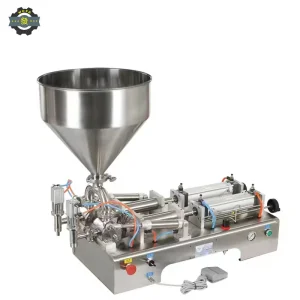
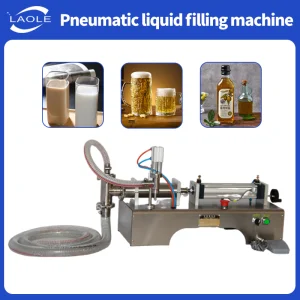
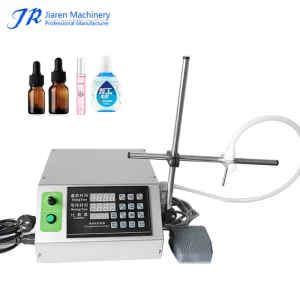
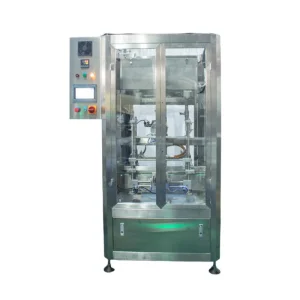
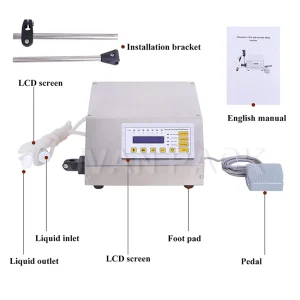
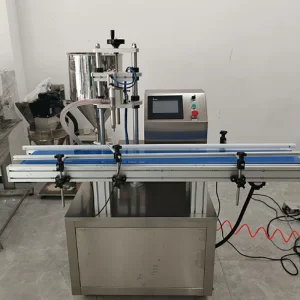
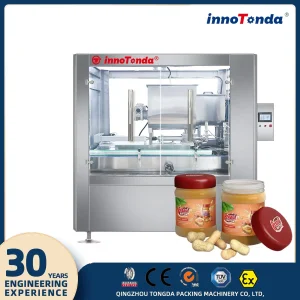
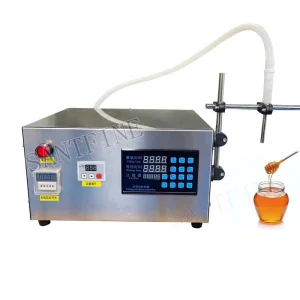
Fully pneumatic single head liquid filling systems are ideal if you operate in areas with dry, dusty environments or unstable voltage grids. Because they run on compressed air, they have fewer electronics that can fail from power surges. Conversely, servo-driven or electric motor filling systems are preferred if you require high dosing precision (±0.3%), frequent fill-volume recipe changes via HMI touchscreen, or trace logging for production data.
Yes. High-viscosity liquids require volumetric piston-driven or rotary lobe pump filling systems. We recommend our pneumatic piston series (such as the 100-1000ml semi-automatic or desktop piston arrays) or servo-driven lobe pump systems. They provide positive-pressure displacement to easily pull thick fluids from the product hopper and push them cleanly into containers without air pockets or dripping.
All product contact parts (nozzles, hoppers, valves, cylinders) are constructed from certified food-grade SUS304 stainless steel as standard, with SUS316L available for highly acidic, corrosive, or pharmaceutical materials (such as chemical detergents, saline liquids, or raw citrus juices). Cleaning is managed by running sanitation liquids directly through the system or integrating the machinery into an existing Clean-In-Place (CIP) loop.
Every machine shipped includes a spare parts starter kit containing replacement food-grade gaskets, O-rings, heating elements, and pneumatic tubes. If you require additional replacement components, we ship them directly from our factory via air freight (arriving at Hosea Kutako Airport) or coordinate with logistics partners in Windhoek to minimize your plant's downtime.
Absolutely. Our automatic single head filling systems (including the servo-driven and automatic gear pump lines) are designed with modular control systems. They feature integrated PLC protocols and I/O connections, allowing you to easily pair them with external automatic conveyor belts, bottle-feeding turntables, capping machines, and labeling setups as your production requirements scale.
Discuss your filling accuracy, product viscosity, and production goals with our engineers. We will design a custom solution and coordinate shipping to Walvis Bay.
Send Inquiry Now Yongli Machine