Yongli Machine
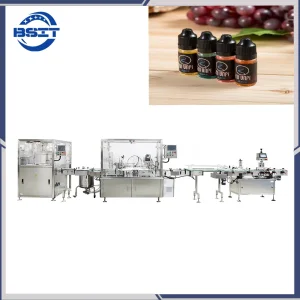
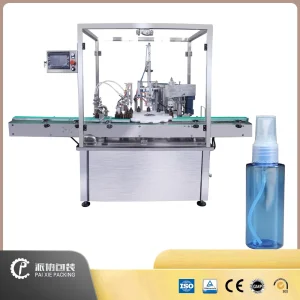
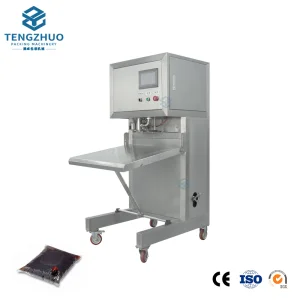
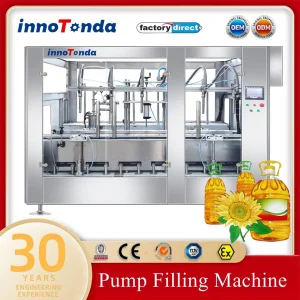
1. Market Dynamics & Macro Trends in Low Viscosity Automation
Low viscosity liquids—defined mechanically as fluids exhibiting a dynamic viscosity of less than 100 centipoise (cP), such as purified water, distilled spirits, pharmaceutical eye drops, oral liquids, chemical solvents, window cleaners, and cosmetic skin toners—represent the vast majority of volume in global automated liquid packaging lines.
Driven by rigid international regulatory mandates (such as US FDA 21 CFR Part 11, EU GMP Annex 1, and ISO 22000 food safety certifications), modern liquid bottling lines are transitioning rapidly from traditional mechanical-linkage gravity fillers toward smart, servo-driven, net-weight, mass-flowmeter, and vacuum-assisted overflow filling systems. Global FMCG and pharmaceutical enterprises demand higher overall equipment effectiveness (OEE), zero-drip fill precision, rapid toolless changeovers, and comprehensive Clean-In-Place (CIP) / Sterilize-In-Place (SIP) integration.
Information Gain Insights: Viscosity Behavior Under Dynamic Shearing
Unlike high-viscosity pastes or non-Newtonian thixotropic creams, low-viscosity fluids exhibit Newtonian flow behavior where shear stress is directly proportional to shear rate. However, low-viscosity filling presents unique engineering challenges: liquid splashing, high-speed surface turbulence, foaming during acceleration, capillary weeping at nozzle tips, and volume variation due to micro-changes in fluid temperature or line pressure. Mastering low viscosity packaging requires highly customized fluid dynamics engineering.
2. China's Strategic Role in Global Bottling Machinery Manufacturing
Over the past two decades, China has evolved into the world's premier manufacturing ecosystem for beverage and liquid packaging machinery. Chinese original equipment manufacturers (OEMs), exemplified by industry pioneers such as Hebei Yongli Machine Co., Ltd (established in 2009 with a massive 15,000 m² modern manufacturing facility), provide international buyers with a rare combination of industrial scale, rapid lead-time execution, robust engineering customized to client specifications, and unbeatable Total Cost of Ownership (TCO).
By integrating top-tier international automation components (such as Siemens PLC control units, Schneider electricals, Festo pneumatic systems, and Sick sensors) with localized high-precision CNC machining and SS304/SS316L stainless steel fabrication, Chinese factories deliver CE-certified filling systems that match European operational standards while dramatically reducing upfront capital expenditure (CapEx).