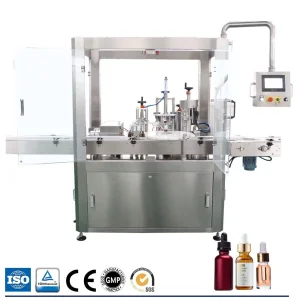
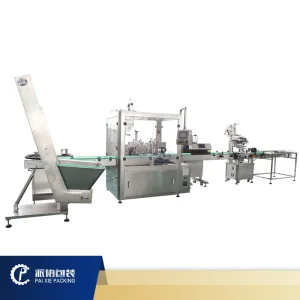
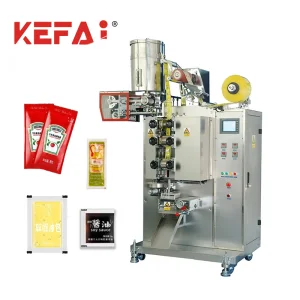
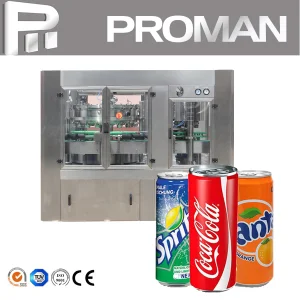
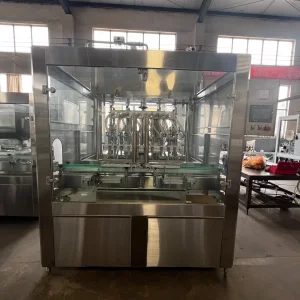
The global market for automatic capping and filling machines is undergoing a seismic shift driven by the integration of AI, IoT, and high-precision robotics. In an era where production downtime costs thousands of dollars per minute, manufacturers across the United States, Europe, and Southeast Asia are increasingly looking towards integrated "Monoblock" systems. These machines, which combine filling, capping, and labeling into a single footprint, have become the cornerstone of efficient manufacturing.
From the pharmaceutical industry’s need for sterile, micro-dose precision (such as Hyaluronic Acid Syringe Filling) to the high-speed requirements of the beverage sector (pumping out up to 12,000 bottles per hour), the demand for versatility has never been higher. The trend is moving away from rigid, single-purpose machinery toward flexible, servo-driven systems that can switch between container sizes with minimal manual adjustment.
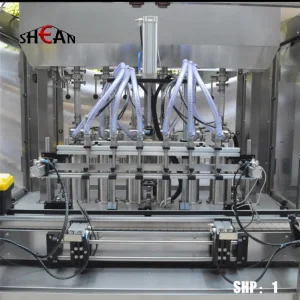
Advanced flow-meter and piston filling technologies ensure accuracy within ±0.1%, minimizing product giveaway.
Leading Chinese exporters now adhere strictly to CE, UL, and GMP standards, ensuring seamless integration into Western markets.
Modern machines feature remote diagnostic capabilities, allowing engineers in China to troubleshoot systems in real-time globally.
China has evolved from a low-cost manufacturing hub to a global leader in sophisticated industrial automation. The efficiency advantage offered by top Chinese factories like Hebei Yongli Machine Co., Ltd is not just about price—it's about the comprehensive supply chain ecosystem.
Proximity to component manufacturers (sensors, motors, PLC units) allows for rapid prototyping and shorter lead times compared to European counterparts.
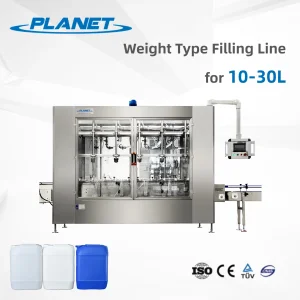
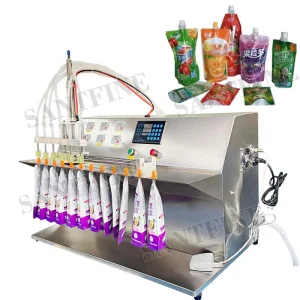
Whether it's a 6-nozzle suction bag filler for juice or an explosion-proof lubricant filling line, Chinese factories excel at bespoke engineering.
Low initial CAPEX combined with high-durability components provides a superior ROI for enterprises in developing and developed nations alike.
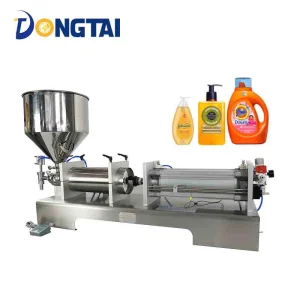
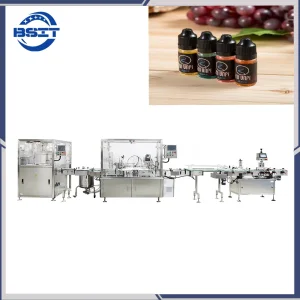
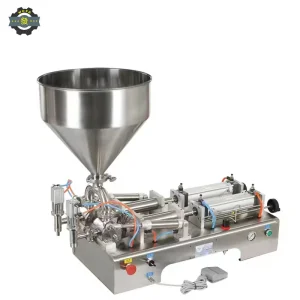
High-viscosity creams, shampoos, and lotions require specialized anti-drip nozzles and piston-driven accuracy. Our Paixie Automatic Cosmetic Cream machines are designed to handle delicate formulations without aeration.
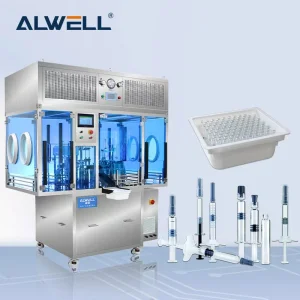
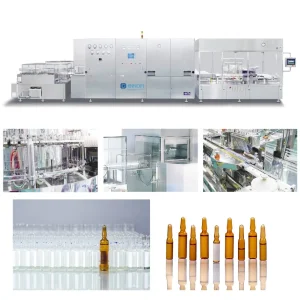
Sterility is paramount. Syringe filling for Hyaluronic Acid or ampoule sealing requires Class 100 cleanroom compatibility and vacuum-assisted filling to prevent oxidation.
Handling corrosive or flammable liquids (like epoxy or lubricant oil) requires explosion-proof motors (ATEX certified) and stainless steel 316L contact parts.
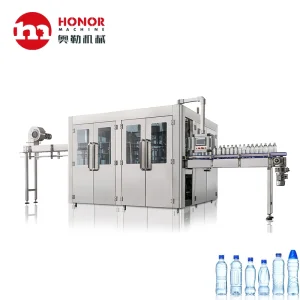
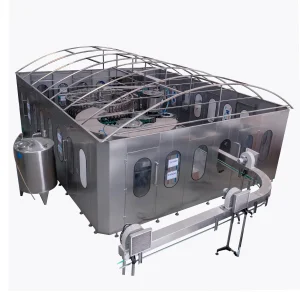
From carbonated craft beer canning lines to hot-fill juice sachets, speed and hygiene (CIP systems) are the focus of our high-BPH bottling lines.
Hebei Yongli Machine Co., Ltd was founded in 2009, our company covers an area of 15,000㎡. We are a leading enterprise in research and production of liquid and beverage packing machines. Our main products includes: water treatment plant, beverage and daily chemical filling machine, labeling machine, film shrink wrapping and carton packing machine, beverage processing and production lines.
We leverage operational change management inside of workflows to provide a seamless transition from manual to automated production for our global clients.
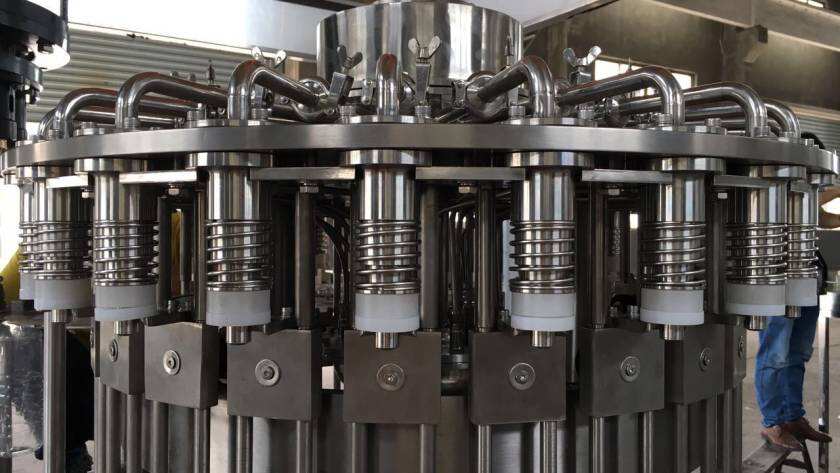
Bottle, label and machine layout design according to customers' request to maximize floor space efficiency.
Rigorous QC protocols ensure every machine is tested with the customer’s actual bottles and product before shipping.
Our perfect team of technicians travels globally to handle installation, debugging, and staff training.
Free online after-sales support and free spare parts during the warranty period ensure zero production lag.
Global procurement teams are now prioritizing machines that can handle recycled PET (rPET) and biodegradable caps. Energy-efficient servo motors are replacing pneumatic systems to reduce carbon footprints.
The next generation of capping machines integrates AI cameras to detect misaligned caps or under-filled bottles in real-time, automatically rejecting them without stopping the line.
By monitoring vibration and heat signatures of motors, smart machines can alert operators about potential part failures weeks in advance.
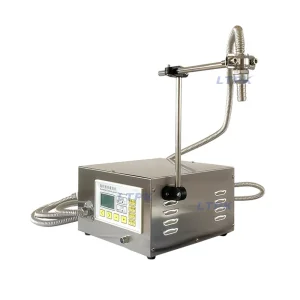
Piston fillers are best for viscous liquids (like creams) as they use mechanical force. Flow-meter fillers (Electromagnetic or Mass Flow) offer higher hygiene and precision for thin liquids without moving contact parts, ideal for the food and pharma industries.
Our machines utilize magnetic hysteresis or servo-driven capping heads. This allows for digital torque adjustment, ensuring every cap is tightened to the exact specification without damaging the bottle threads.
Yes. Our "Universal Changeover" kits allow for quick adjustments between round, square, or oval bottles. Most changes can be done in under 15 minutes using tool-less handles.
Standard machines usually ship within 30-45 days. Fully customized, multi-stage production lines typically require 60-90 days for engineering, assembly, and FAT (Factory Acceptance Testing).
 Yongli Machine