Top 10 Ways to Solve Common Issues in Liquid Filling Equipment?

Time:2026-08-20 Author:Sophia
0%

In the fast-paced world of manufacturing, liquid filling equipment plays a crucial role. However, issues can arise, impacting productivity. John Anderson, a leading expert in filling technology, once said, “Identifying the root cause of filling problems is half the battle.” His insight emphasizes the importance of understanding how to solve common problems in liquid filling equipment.

Many companies face recurring challenges like inconsistent fill levels and equipment jams. These problems can lead to downtime and increased costs. Implementing effective strategies not only resolves issues but also enhances overall efficiency. For instance, regular maintenance checks and employee training can significantly reduce operational hiccups.

Understanding how to solve common problems in liquid filling equipment is essential for maintaining production quality. Smart solutions, like adjusting fill speed or recalibrating sensors, can make a big difference. However, it’s vital to continually evaluate processes and find areas for improvement. Only then can businesses thrive in a competitive landscape.
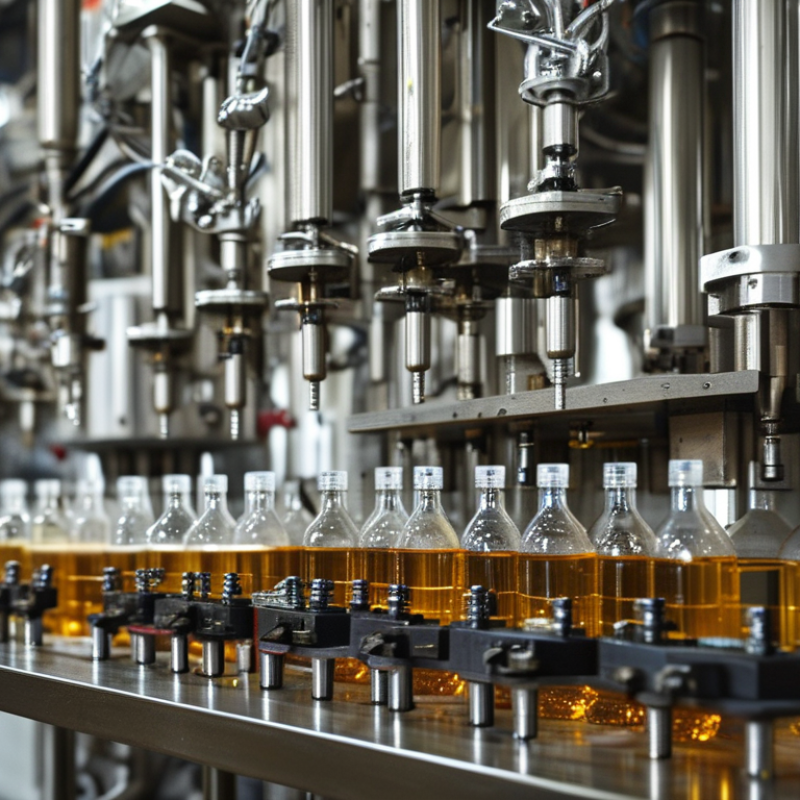
Top 10 Ways to Solve Common Issues in Liquid Filling Equipment?

Understanding Common Issues in Liquid Filling Equipment

Liquid filling equipment is essential in various industries, yet it often encounters common issues. Understanding these challenges can lead to better maintenance and efficiency. For instance, inaccurate filling can stem from malfunctioning sensors. This might result in underfilling or overfilling, which can disrupt production. Regular calibration of sensors ensures precision.

Another frequent problem is product leakage. This issue usually arises from worn seals or improper fitting. Inspecting seals regularly can minimize downtime and product loss. Additionally, inconsistent fill rates may indicate wear and tear in pumps. Noticing such discrepancies early can save time and costs.

Many operators overlook cleaning protocols. Residue buildup can hinder performance and cause equipment failure. A proper cleaning schedule should not be neglected. Experience shows that prioritizing maintenance and understanding these common issues improves overall productivity. Each step taken towards addressing these challenges leads to smoother operations.

Identifying and Diagnosing Liquid Filling Equipment Problems

Identifying issues in liquid filling equipment is crucial for maintaining efficiency. Common problems include inconsistent fill levels, leaks, and equipment jams. According to a recent industry report, 37% of filling line downtime is due to equipment malfunctions.

Diagnosing these problems requires a systematic approach. Inspect your machinery regularly. Look for wear and tear in seals and valves. An overlooked component can lead to significant inefficiencies. For example, poor sealing can result in product spills, wasting valuable materials.

Training staff to recognize early warning signs is vital. Workers should report unusual noises or performance dips. This proactive measure can prevent major breakdowns. Studies show that addressing minor issues early can save up to 30% on repair costs. Ultimately, understanding these common problems enhances overall operational reliability.

Preventive Maintenance Strategies for Liquid Filling Equipment

Preventive maintenance is crucial for liquid filling equipment. Regular checks prevent downtime and enhance efficiency. Address potential issues before they escalate into costly problems. Create a schedule for regular inspections, focusing on critical components.

Tips: Document every maintenance activity meticulously. This builds a history that helps in diagnosing future issues. Use checklists to ensure no step is skipped during inspections.

Inspect seals, hoses, and valves consistently. Look for wear and tear that could lead to leaks. Proper lubrication reduces friction and extends equipment life. Running machines without proper care leads to failures. Take time to reassess how maintenance routines can improve overall performance.

Tips: Train staff on maintenance protocols. Effective training empowers your team to spot issues early. Involve everyone in the process to foster a culture of care.

Top 10 Ways to Solve Common Issues in Liquid Filling Equipment

Issue Preventive Maintenance Strategy Frequency of Maintenance Expected Outcome
Leakage Regularly inspect seals and gaskets Monthly Reduced product loss
Inconsistent Fill Levels Calibrate filling nozzles Quarterly Enhanced fill accuracy
Slow Filling Speed Clean and lubricate moving parts Bi-weekly Increased production efficiency
Air Bubbles Check for air leaks and vacuum seals Monthly Improved product integrity
Equipment Jams Clear any blockage and adjust mechanisms Weekly Reduced downtime
Electrical Failures Inspect wiring and connections Monthly Improved operational reliability
Incorrect Temperature Regularly check temperature settings Daily Consistent product quality
Software Glitches Update software regularly Annually Enhanced system performance
Wear and Tear Replace worn components proactively As needed Extended equipment lifespan
Inadequate Cleaning Establish a thorough cleaning schedule After every batch Maintained hygiene standards

Troubleshooting Techniques for Liquid Filling Equipment Failures

Liquid filling equipment is essential for many industries. However, failures can disrupt production. A study by PMMI revealed that 30% of manufacturers report experiencing downtime due to equipment issues annually. Identifying and addressing these problems promptly is crucial for maintaining efficiency.

One common issue is improper filling accuracy. This error can stem from worn-out components, causing inconsistent volume dispensed. Regular maintenance schedules can help identify these issues early. Another frequent failure point is pneumatic or mechanical faults, which affect speed. Operators should be trained to recognize symptoms, such as unusual noises or irregular filling patterns.

Additionally, product viscosity can lead to complications. If a liquid is too thick, it may cause blockages. Research indicates that nearly 25% of filling line failures are related to viscosity challenges. Monitoring the viscosity of your products is vital. Periodic testing can ensure the equipment is compatible with the liquid being processed. Each of these aspects reflects the importance of proactive troubleshooting and consistent operational checks.

Upgrading Equipment for Improved Liquid Filling Efficiency

Upgrading liquid filling equipment can significantly boost efficiency in manufacturing. Many businesses face common challenges, such as inconsistent fill levels and long downtime. Addressing these issues often requires a careful evaluation of existing machinery. Older systems may lack precision and speed. Investing in modern technologies can enhance accuracy and reduce waste.

One significant upgrade is automation. Automated machines can adjust fill levels dynamically, ensuring consistency with every cycle. This results in fewer errors and better product quality. However, installation may require training for the staff. It's essential to consider staff readiness alongside equipment updates. Personalizing solutions to your plant’s needs ensures maximum benefit.

Regular maintenance is also crucial. Keeping machines in optimal condition prevents common breakdowns. Scheduled checks can identify wear before it impacts production. Ignoring this may lead to costly disruptions. Operators should be trained to perform these checks efficiently. Upgrading equipment is not just about new technology; it’s about fostering a culture of continuous improvement.

Top 10 Ways to Solve Common Issues in Liquid Filling Equipment

FAQS

: Why is preventive maintenance important for liquid filling equipment?

: Preventive maintenance reduces downtime and increases efficiency. It helps prevent costly issues before they arise.

How often should equipment inspections be scheduled?

Create a regular inspection schedule to check critical components consistently. Regular checks enhance reliability.

What should be documented during maintenance activities?

Document every maintenance task carefully. This creates a history that aids in future diagnostics and planning.

What components should be inspected frequently?

Inspect seals, hoses, and valves regularly for wear. Monitoring these can prevent leaks and failures.

How does proper lubrication affect equipment?

Proper lubrication decreases friction and prolongs equipment life. Machines without lubrication can fail unexpectedly.

What role does staff training play in maintenance?

Training empowers staff to identify issues early. An informed team contributes to smoother operations and reduces risks.

How can upgrading equipment improve filling efficiency?

Upgrading can address fill level inconsistencies and reduce downtime, enhancing overall production quality.

What is a significant upgrade to consider for liquid filling equipment?

Automation is a key upgrade. It adjusts fill levels dynamically for consistent results, improving product quality.

Why is a culture of continuous improvement important?

Fostering a culture of care encourages proactive maintenance practices. It drives better performance in the long term.

What should be prioritized when upgrading equipment?

Assess staff readiness alongside the new technology. This ensures effective implementation and maximizes benefits.

Conclusion

In addressing "How to solve common problems in liquid filling equipment," it is crucial to first understand the common issues encountered in these systems, such as inconsistent filling volumes and equipment malfunctions. Identifying and diagnosing these issues is the initial step towards effective problem resolution, allowing operators to pinpoint specific failures within the machinery.

Implementing preventive maintenance strategies is essential for enhancing the reliability of liquid filling equipment. Regular maintenance checks and timely servicing can significantly reduce the likelihood of breakdowns. Additionally, employing troubleshooting techniques can aid in quickly addressing failures when they occur. Finally, upgrading equipment when necessary can lead to improved efficiency and productivity, ensuring that the liquid filling process meets the desired standards.

Sophia

Sophia

Sophia is a dedicated marketing professional with an exceptional depth of knowledge about her company's products and services. With a keen understanding of market trends and customer needs, she crafts insightful blog posts that not only inform but also engage readers, enriching the company’s online......