Handling bottle jams in automatic filling machines can be challenging. These jams disrupt production and can lead to significant downtime. Understanding how to handle bottle jams effectively is crucial for maintaining efficiency and productivity in the packaging process.
A thorough analysis of your filling machine's design can uncover common jam causes. Perhaps the bottles are not correctly aligned, or the filling speed is too rapid. Specific variations in bottle shape and size can also contribute to these frustrating situations. Knowing the ins and outs of your machine enhances your ability to troubleshoot effectively.
Attention to detail is vital. Regular maintenance can prevent the buildup of residue that may lead to jams. Also, operator training plays a crucial role in successful management. There is often a gap in knowledge about proper handling techniques. Addressing these gaps can minimize issues and improve team confidence in managing any jam-related incidents.
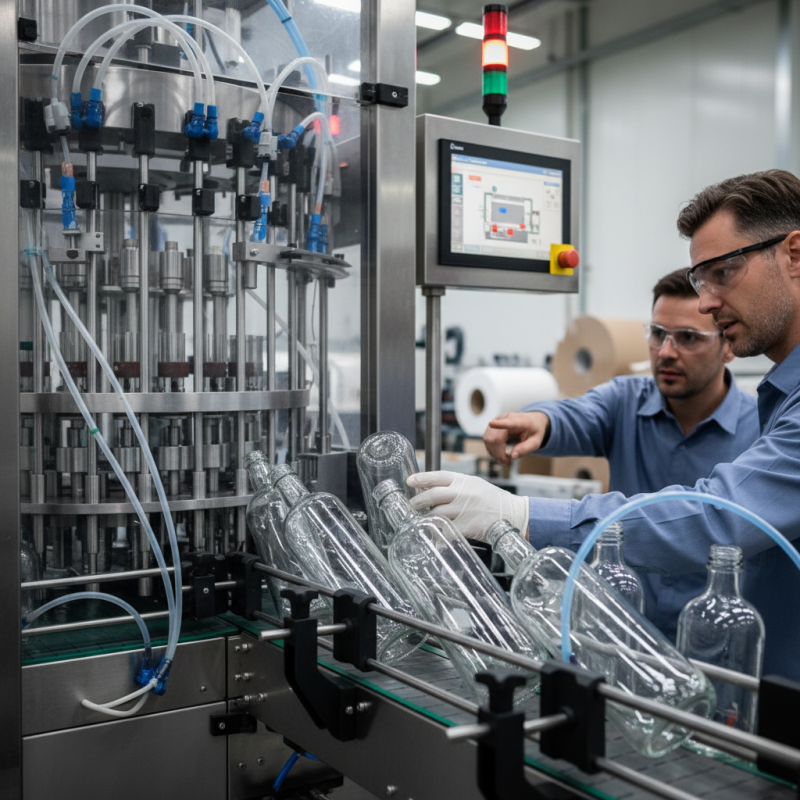
Bottle jams in filling machines are a common issue that can disrupt production lines. Understanding the common causes of these jams is crucial for maintaining efficiency. According to industry reports, approximately 30% of downtime in filling operations is caused by bottle jams. This indicates a significant impact on overall productivity.
Improper bottle orientation is one major cause. When bottles are not aligned correctly, they can easily jam. Inspecting the feeding system for misaligned bottles regularly can help prevent this issue. Another factor is the buildup of residue within the filling machine. This can lead to slower operations. Implementing a routine cleaning schedule can reduce this risk.
One key tip is to monitor the speed of the filling machine. If the speed is too fast, jams are more likely to occur. Aim for a balanced speed to ensure smooth operation. Additionally, using high-quality bottles can minimize the likelihood of jams. Bottles that are warped or inconsistent in size can cause significant problems in the filling process. Regular training for operators can also enhance their ability to identify potential jam issues before they escalate.
Bottle jams in filling machines can lead to significant downtime. Identifying early signs is crucial. Research shows that over 30% of production delays are caused by such jams. Recognizing the initial indicators can save time and money.
Monitor the pace of production carefully. A sudden drop in speed may signal that a jam is forming. Check for unusual noises or vibrations from the machine. These sounds often precede a jam, alerting operators to intervene. Keeping an eye on the bottles' alignment is essential as misalignment is a common trigger for jams.
Regular maintenance also plays a vital role. Schedule routine inspections to catch worn parts before they cause issues. Tip: Ensure sensors are clean and functioning well. Misreading sensors can lead to false readings and unexpected downtime. Implement a training program for operators. Skilled staff can spot signs quickly, reducing response time and improving efficiency. These proactive approaches can make all the difference in maintaining a smooth operation.
Bottle jams in filling machines can disrupt production and lead to lost time. According to industry reports, up to 40% of downtime in manufacturing comes from equipment jams. Understanding how to troubleshoot these issues effectively is crucial.
Start with a visual inspection. Look for misaligned parts or debris that may cause a jam. Often, operators overlook simple solutions like cleaning or adjusting the feed mechanism. The machine's manual typically provides guidance on common issues.
Next, assess the bottle types being used. If you switch to a different size or shape, it may not fit the machine correctly. Data suggests that mismatched components can lead to a 30% increase in jam frequency. Regular training for staff on handling these adjustments is essential for minimizing issues. Reflecting on past instances can help improve future responses.
Effective maintenance is crucial in preventing bottle jams in filling machines. According to a recent industry report, up to 25% of production downtime in bottling lines results from these jams. Regular inspections of conveyor belts, fill valves, and guide rails can help ensure smooth operation. A well-maintained machine not only enhances productivity but also reduces the likelihood of costly repairs.
Dust and debris are common culprits of bottle jams. The American Society for Quality recommends a cleaning schedule that includes daily and weekly tasks. Cleaning the filling area and ensuring proper lubrication of moving parts can significantly decrease malfunctions. Ignoring these routine tasks can lead to larger operational issues.
Operator training is also vital. When staff are aware of potential problems and how to address them, they can react swiftly to mitigate jams. The Beverage Industry reported that proper training could reduce machine downtimes by 40%. Understanding machine dynamics aids in spotting anomalies early, contributing to a more efficient production process. Regularly revisiting maintenance protocols can illuminate areas needing improvement, ensuring long-term reliability.
Training staff on effective jam handling techniques is crucial for maintaining efficiency in filling machine operations. A study by the Packaging Machinery Manufacturers Institute (PMMI) revealed that improper handling of jams can lead to a 30% increase in downtime. Investing in regular training can minimize these disruptions.
Staff should learn to identify common causes of bottle jams. Regular simulations can help them practice troubleshooting skills. Ensuring that everyone knows how to respond swiftly can reduce jam resolution time. Implementing clear procedures and easy-to-follow guides can reinforce these techniques.
Encourage staff to communicate openly during jam incidents. Building a team-oriented environment aids quick problem-solving. Highlighting the importance of attention to detail is necessary as a missed step can exacerbate the situation. Jams may arise from several factors, including incorrect bottle placement or equipment wear and tear. Understanding these aspects is vital for prevention.
Create an environment where staff can reflect on their experiences. Encourage feedback loops to improve practices continuously. Consider documenting jam occurrences to analyze patterns. This data-driven approach helps refine training programs and optimizes machine performance. Emphasizing the importance of adaptive learning can lead to better outcomes.
: Improper bottle orientation is a major cause. Misalignment can easily lead to jams.
Buildup of residue slows down the filling process. Regular cleaning helps prevent this issue.
If the filling machine runs too fast, jams are more likely to happen. Find a balanced speed.
Monitor production pace; a sudden drop in speed may indicate a jam is forming.
Routine inspections catch worn parts early. This prevents potential issues before they escalate.
Regular training improves skills in identifying and resolving jams, reducing downtime significantly.
Unusual noises and vibrations often precede jams. Operators should remain attentive to these clues.
Open communication fosters quick problem-solving. Teamwork can reduce jam resolution time.
Analyzing patterns from documented jams helps refine training and optimize machine performance.
Encouraging reflection allows staff to share experiences, leading to continuous improvement in handling techniques.
Handling bottle jams in automatic filling machines is a critical skill for maintaining operational efficiency in production environments. Understanding the common causes of these jams, such as misalignment or debris, is essential for identifying early signs that can help minimize downtime. A systematic troubleshooting process can effectively address the issue once detected, ensuring a swift resolution.
To prevent future occurrences, implementing regular maintenance best practices is vital. This includes routine cleaning and inspecting machine components. Additionally, training staff on effective jam handling techniques equips them with the knowledge to act promptly and efficiently when jams occur. By focusing on these strategies, facilities can significantly reduce the incidence of bottle jams and enhance the overall productivity of their filling machines.

Yongli Machine