Liquid filling equipment plays a critical role in various industries, from pharmaceuticals to beverages. According to a recent report by Grand View Research, the global liquid filling machine market is expected to reach $5.1 billion by 2025, growing at a CAGR of 6.3%. This data underscores the importance of maintaining efficient filling systems. However, these machines frequently encounter problems that can disrupt production.
Understanding how to solve common problems in liquid filling equipment can significantly enhance efficiency. For instance, issues like inconsistent fill levels or leaks can lead to costly downtime. A survey by the National Association of Manufacturers highlights that unplanned downtime can cost manufacturers upwards of $260,000 per hour. Addressing these challenges not only ensures product quality but also boosts operational reliability, which is crucial for maintaining competitiveness in today’s market.
It is essential to recognize areas for improvement. Operators might need to undergo more training to identify faults quickly. Regular maintenance checks can reveal hidden issues before they escalate. By focusing on these strategies, companies can better position themselves to tackle the complexities of liquid filling operations.
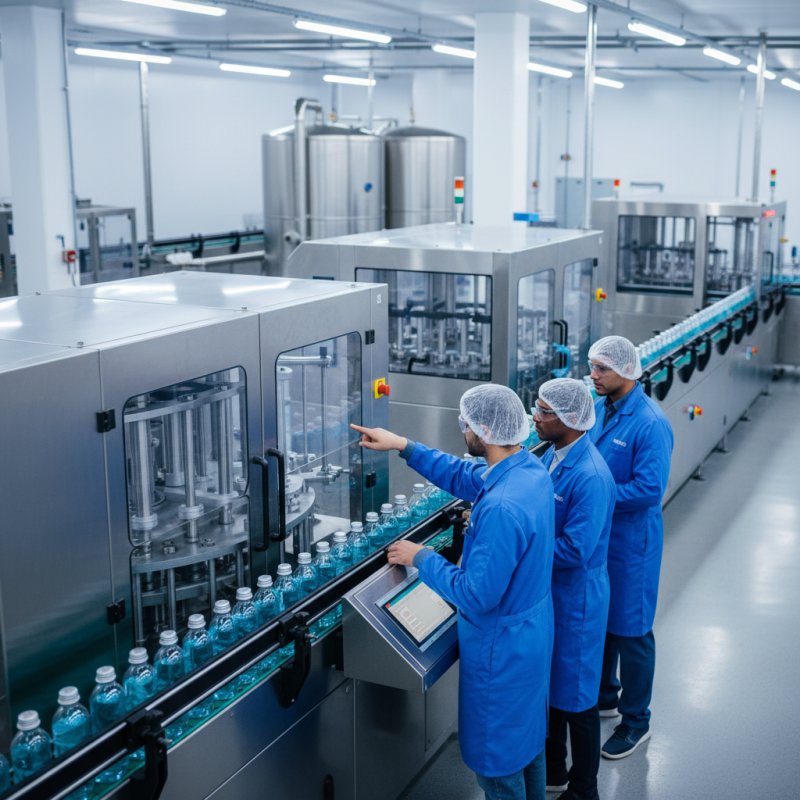
Liquid filling equipment is essential in various industries, but common issues can hinder performance. Many businesses face problems like inconsistent fill levels and slow cycle times. According to industry reports, up to 30% of filling operations experience downtime due to unaddressed equipment issues. Identifying these common problems helps in maintaining efficiency.
Observing the fill nozzle can reveal uneven fills. Ensure that the nozzle is clean and unobstructed. Regularly checking flow rates is crucial. A significant drop in flow may suggest pump wear or blockages. Consider this: even minor defects can lead to substantial waste.
**Tips:** Schedule regular maintenance checks to avoid unexpected failures. Inconsistent fills can also stem from improper settings. Operators should be trained to recognize and adjust for variations. This support minimizes errors during high-speed operations. Addressing these factors fosters a more reliable filling process, ultimately saving resources and time.
This chart illustrates the frequency of common issues encountered in liquid filling equipment. The most reported issue is inaccurate fill volume, followed by nozzle dripping and air bubble formation. Addressing these concerns is crucial for improving the efficiency of filling operations.
Liquid filling equipment plays a crucial role in various industries, ensuring efficient and accurate product dispensing. Understanding the mechanisms behind these machines is essential for troubleshooting common issues. For instance, improper sealing often leads to leaks, resulting in product loss. According to a recent industry report, nearly 25% of filling errors originate from seal integrity problems.
The system's mechanical components, such as pumps and valves, demand regular maintenance. Failing to inspect them can lead to inconsistent fill levels. In fact, about 15% of operators experience such issues. Regular calibration is vital to ensure precision. Operators should focus on detecting air bubbles or blockages in the feed lines, as these can disrupt the filling process.
Despite advancements, human error remains a factor. Inadequate training can cause mismanagement of the filling equipment. Reports indicate that about 30% of filling discrepancies stem from operator mistakes. Continuous education is needed to mitigate this risk. Understanding the operation of liquid filling systems contributes significantly to better troubleshooting and efficiency, ensuring smoother production lines.
When troubleshooting flow and volume discrepancies in liquid filling equipment, the first step is to check the flow rate. Fluctuations can indicate issues with the pump or the calibration of the flow meter. Sometimes, air bubbles cause irregular flow. Inspecting the lines for blockages or leaks is also essential. Using a visual inspection can help identify these unnoticed issues.
Volume discrepancies may arise from improper settings or a malfunctioning sensor. Make sure to review the machine's output configurations. Regular calibration ensures accuracy, but calibrating too frequently can lead to wear. Remember that external factors like temperature can also affect liquid density, impacting volume measurements.
Documenting each change made during troubleshooting can be valuable. It creates a record that can help identify patterns or recurring issues. If problems persist, consider consulting an expert who can provide a fresh perspective. Often, what seems like a minor issue may have underlying effects on operational efficiency. Compromise in quality control can have wider implications for production.
Contamination is a major concern in liquid filling operations. According to the International Society for Pharmaceutical Engineering (ISPE), around 30% of product recalls in the pharmaceutical sector are related to contamination. This highlights the critical need for rigorous hygiene protocols. Proper sanitation practices and regular equipment maintenance can help mitigate these risks.
Maintaining a high level of hygiene starts with the design of the filling equipment. The surface materials should be non-porous and easy to clean. Equipment that is difficult to access can harbor harmful microorganisms. A recent report by the World Health Organization found that equipment cleanliness is directly linked to product safety. Regular audits and staff training are also essential to uphold these standards.
Despite established protocols, human error remains a challenge. Inadequate training or oversight can lead to lapses in hygiene. A survey from the Food and Drug Administration shows that nearly 25% of production errors stem from human factors. Addressing these issues requires ongoing reflection and improvement in operational practices. Better awareness can significantly reduce contamination risks in liquid filling processes.
| Issue | Description | Solutions | Maintenance Frequency |
|---|---|---|---|
| Contamination | Unwanted particles or pathogens entering the liquid product. | Regular cleaning of equipment, using sterile filling methods, and proper filtration. | Daily |
| Hygiene Problems | Bacteria growth due to inadequate cleaning. | Implementing SOPs for hygiene, using appropriate cleaning agents, and employee training. | Weekly |
| Seal Integrity | Failure of seals can lead to leaks and contamination. | Regular inspection of seals, replacing worn parts, and ensuring proper installation. | Monthly |
| Air Bubbles | Air trapped in the liquid can affect product quality. | Use of vacuum filling, adjusting filling speed, and equipment checks. | As needed |
| Inconsistent Fill Levels | Variations in fill height can lead to product waste and complaints. | Calibration of filling equipment, periodic checks, and training operators. | Bi-weekly |
Proper maintenance of liquid filling equipment is crucial to prevent common issues that can disrupt production. Regular inspections should be conducted, focusing on seals, valves, and pumps. A study by the Fluid Handling Association indicates that equipment failures can lead to a 15% loss in production efficiency. This highlights the importance of proactive maintenance strategies.
Operators should implement a routine cleaning schedule. Contaminants can cause blockages and inconsistent fills, leading to waste. In fact, data shows that nearly 20% of filling errors are attributed to dirty equipment. Each filling line should have a designated cleaning protocol to ensure optimal performance. Staff training on these practices is essential for minimizing human error.
Monitoring component wear is another key practice. Regularly check for signs of degradation. Unseen wear can result in uncalibrated fills, affecting product quality. A report from the Packaging Machinery Manufacturers Institute states that 30% of downtime is due to unaddressed mechanical issues. It’s essential to maintain accurate records of maintenance activities to reflect ongoing performance. Reflecting on these practices can help enhance efficiency and reliability in the long run.
: Common issues include inconsistent fill levels, slow cycle times, and downtime due to unaddressed equipment problems.
Observe the fill nozzle for cleanliness. Ensure it's unobstructed and regularly check the flow rates.
A significant drop may suggest pump wear or blockages. Regular inspection is crucial for maintaining efficiency.
Improper settings can lead to inconsistent fills and errors, especially during high-speed operations.
Inadequate training can lead to mistakes. Proper training helps operators adjust for variations and reduces errors.
Check the flow rate and inspect for blockages or air bubbles. Document changes for future reference.
External factors like temperature can alter liquid density, potentially impacting volume measurements.
If problems persist, consider consulting an expert. Fresh perspectives can help identify underlying operational issues.
The article titled "How to Solve Common Issues in Liquid Filling Equipment" explores various challenges that arise in liquid filling processes and offers effective solutions. It begins by identifying typical problems encountered in filling equipment, such as incorrect flow rates and volume discrepancies. Understanding the mechanisms behind these machines is crucial for troubleshooting effectively.
The piece further delves into common issues like contamination and hygiene, emphasizing the importance of maintaining cleanliness to ensure product safety. To complement this, the article suggests maintenance practices that can help in preventing future issues, reinforcing the need for regular checks and updates to the equipment. Overall, it serves as a practical guide on how to solve common problems in liquid filling equipment, aiming to enhance operational efficiency and product quality.

Yongli Machine