How to Select Filling Machines for Different Liquid Viscosities?

Time:2026-05-11 Author:Isabella
0%

Selecting the right filling machines for various liquid viscosities is essential in manufacturing. Companies often struggle with this decision. Knowing how to choose filling machines for different liquid viscosities can greatly impact productivity and efficiency.

Viscosity affects the way liquids flow and how they behave in filling processes. A machine suitable for a thin liquid may not work for a thick one. Manufacturers must assess their specific needs carefully. This includes understanding the characteristics of the liquid and the required fill rates.

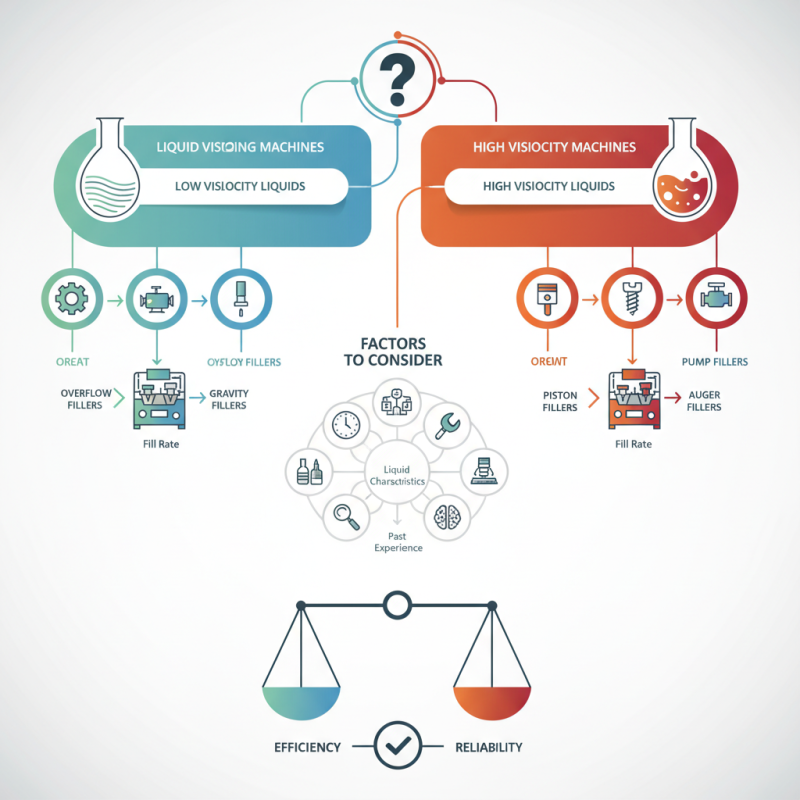
Many factors influence this choice, from machine design to maintenance requirements. It's important to reflect on past experiences and learn from any mistakes. Each application may present unique challenges, making it necessary to review options thoroughly. Ultimately, finding the right filling machine means balancing efficiency with reliability.
How to Select Filling Machines for Different Liquid Viscosities?

Understanding Liquid Viscosities and Their Impact on Filling Machines

Choosing the right filling machine involves understanding liquid viscosities. Viscosity measures a fluid's resistance to flow. Low-viscosity liquids, like water, flow easily. High-viscosity liquids, such as honey, resist movement. This difference influences machinery selection. For thicker liquids, you might need a pump system that can handle the substance without clogging.

Filling machines vary in design to accommodate different viscosities. Positive displacement pumps are ideal for thicker liquids. They deliver precise amounts without mixing air. On the other hand, gravity fillers work well for low-viscosity products. They rely on the fluid's weight to fill containers efficiently. Understanding the specific viscosity of your liquid helps you choose the right equipment.

Consider the entire filling process. You want to ensure that your machine's components are compatible with the liquid. For example, high-temperature products require specialized materials. Reflecting on past experiences can guide future decisions. It’s essential to assess if the machine meets all operational needs. This thoughtful approach leads to better efficiency and product quality.

Impact of Liquid Viscosities on Filling Machines

This chart represents the suitability rating of different filling machine types for various liquid viscosities. The scale ranges from 1 (least suitable) to 5 (most suitable). As viscosity increases, the filling machine type recommended decreases, indicating a shift to more specialized equipment for thicker liquids.

Types of Filling Machines for Low Viscosity Liquids

When selecting filling machines for low viscosity liquids, it's crucial to understand their specific requirements. Low viscosity liquids, such as water or juice, flow freely and fill containers quickly. This characteristic allows for the use of simpler, more efficient filling machines. Common options include gravity fillers and pump fillers. These machines can handle the quick flow of low viscosity products without creating excessive foam or bubbles.

Gravity fillers utilize the natural force of gravity, ensuring a smooth and consistent fill. They are ideal for large production runs. On the other hand, pump fillers provide controlled flow rates, accommodating variations in container sizes. These machines help achieve precise filling volumes, minimizing waste. Understanding the operational speed and the container type is necessary when selecting the right machine.

However, challenges can arise with low viscosity liquids. Manufacturers may encounter issues related to foaming during the filling process. This can lead to inaccurate fill levels. Regular maintenance and adjustments can mitigate such problems, but they may require time and resources. Evaluating the production line for compatibility with the selected filling machine is essential to enhance efficiency and reliability.

Choosing the Right Machine for High Viscosity Liquids

Selecting the right filling machine for high viscosity liquids can be a challenge. These liquids, such as sauces and creams, require special considerations. Unlike water, high viscosity liquids tend to flow slowly. For this reason, a machine with adjustable speed is essential. This feature allows operators to optimize the filling process according to the unique characteristics of the liquid.

Piston fillers can be particularly effective for high viscosity products. They use a precise mechanism to draw up the liquid and dispense it into containers. However, they may not be suitable for every type of high viscosity liquid. Some might encounter difficulties with certain formulations, such as those with particulates. Operators should assess the specific needs of the liquid being filled. Understanding product behavior under different conditions can lead to better results.

Air inclusion is another challenge. This can occur when high viscosity liquids are dispensed, affecting product quality. Machines that minimize air introduction during filling can help reduce this risk. Testing different machines with trial batches can provide valuable insights. Operators may need to adjust settings based on the liquid's reaction to the equipment. Every adjustment can lead to improvements, but some trials may not yield expected results. This process requires patience and adaptation.

How to Select Filling Machines for Different Liquid Viscosities?

Viscosity Range (cP) Recommended Filling Machine Type Filling Accuracy (%) Production Speed (Bottles/min) Typical Applications
1 - 100 Piston Filler ±1% 30-50 Sauces, Dressings
100 - 500 Rotary Fillers ±0.5% 20-30 Hair Care Products, Creams
500 - 2000 Gravity Fillers ±2% 10-20 Oils, Heavy Sauces
2000 - 10000 Positive Displacement Fillers ±1% 5-10 Chemical Products, Pastes
10000+ Specialized Hydraulic Fillers ±3% 1-5 Industrial Lubricants, Heavy Creams

Factors to Consider When Selecting a Filling Machine

Selecting the right filling machine is crucial for efficiency. Different liquids have varying viscosities. High-viscosity liquids require specialized machines. These machines ensure proper filling without spills or waste.

When choosing a filling machine, consider the viscosity of the liquid. Thicker liquids might need piston fillers. These fillers can handle dense products easily. For thinner liquids, gravity fillers can work well. They are simpler and often more cost-effective.

Tips: Test the machine with your liquid before full production. This helps in assessing performance. Moreover, review maintenance requirements. Reliable machines require regular upkeep to function optimally. Don't overlook this aspect, as neglect can lead to issues. Always ensure your equipment aligns with your production needs. Choosing wisely can save time and resources.

Maintenance and Efficiency Tips for Filling Machines

Selecting the right filling machine for different liquid viscosities is crucial for efficient operations. Proper maintenance ensures these machines run smoothly. Regular cleaning is vital. Residue buildup can lead to inconsistent filling. Scheduling routine inspections can prevent unexpected downtime.

Tips: Always check the seals and gaskets for wear. Replace them as necessary. Lubricate moving parts according to the manufacturer’s recommendations. This helps maintain efficiency.

Training staff is essential. Proper handling minimizes mistakes during operation. Encourage feedback from operators. They can notice issues that maintenance might overlook. Documenting these observations can improve overall performance.

Incorporating monitoring systems can provide real-time data. This helps in identifying problems early. Keeping a maintenance log is beneficial. It improves accountability and understanding of machine history. Engaging in regular discussions about potential improvements can lead to better outcomes.

FAQS

: What types of filling machines work best for low viscosity liquids?

: Gravity fillers and pump fillers are ideal. They handle quick flows without excess foam.

How do gravity fillers operate?

They use gravity for a consistent fill, making them great for large productions.

What are the advantages of using pump fillers?

Pump fillers provide controlled flow rates, reducing waste and accommodating different container sizes.

What challenges do manufacturers face with low viscosity liquids?

Foaming is common and can lead to inaccurate fill levels during the process.

How can issues with foaming be managed?

Regular maintenance and adjustments can help but may require significant time and resources.

What should be considered for high viscosity liquids?

Machines with adjustable speeds are essential to accommodate the slow flow of these liquids.

What type of filling machine works best for high viscosity liquids?

Piston fillers are effective as they can draw up and dispense thicker liquids accurately.

What risk is associated with high viscosity filling?

Air inclusion can negatively affect product quality during the filling process.

Why is testing machines with trial batches important?

It helps to gauge performance and assess necessary adjustments based on liquid behavior.

What should operators keep in mind when selecting a filling machine?

Consider viscosity, maintenance needs, and compatibility with production requirements to avoid issues.

Conclusion

When considering "How to choose filling machines for different liquid viscosities," it is essential to have a thorough understanding of liquid viscosities and how they affect the efficiency and performance of filling machines. Low viscosity liquids can be managed by simpler filling machines, which often use gravity or pressure for dispensing. On the other hand, high viscosity liquids necessitate specialized machines like piston or gear pumps that can handle thicker substances without compromising accuracy.

Additionally, several factors should be taken into account when selecting a filling machine, including the type of liquid, production speed, and container design. Proper maintenance and operational efficiency are also crucial for ensuring long-term reliability and performance of filling machines. By considering these elements, businesses can optimize their filling processes for various liquids effectively.

Isabella

Isabella

Isabella is a dedicated marketing professional with a sharp focus on driving brand growth and engagement through strategic content creation. With an extensive background in digital marketing, she combines her passion for storytelling with her keen understanding of industry trends to deliver......