Top 10 Ways to Reduce Downtime in Liquid Filling Lines?

Time:2026-05-28 Author:Henry
0%

In the fast-paced world of manufacturing, minimizing downtime is critical. Liquid filling lines are no exception. How to reduce downtime of liquid filling production lines is a pressing concern for many producers. In this challenging environment, even small delays can lead to significant revenue loss.

Effective strategies can enhance efficiency and ensure smoother operations. Learning from industry experts can provide valuable insights. Engaging in regular maintenance checks and employee training are two pivotal steps in this process. These actions lead to a more robust production system.

However, identifying root causes of downtime can be complex. Issues like equipment failures or operator errors often arise unexpectedly. By focusing on preventive measures, companies can significantly lower these risks. Changing the way we approach these challenges can yield better results. Emphasizing forethought and reflection may help uncover hidden inefficiencies.
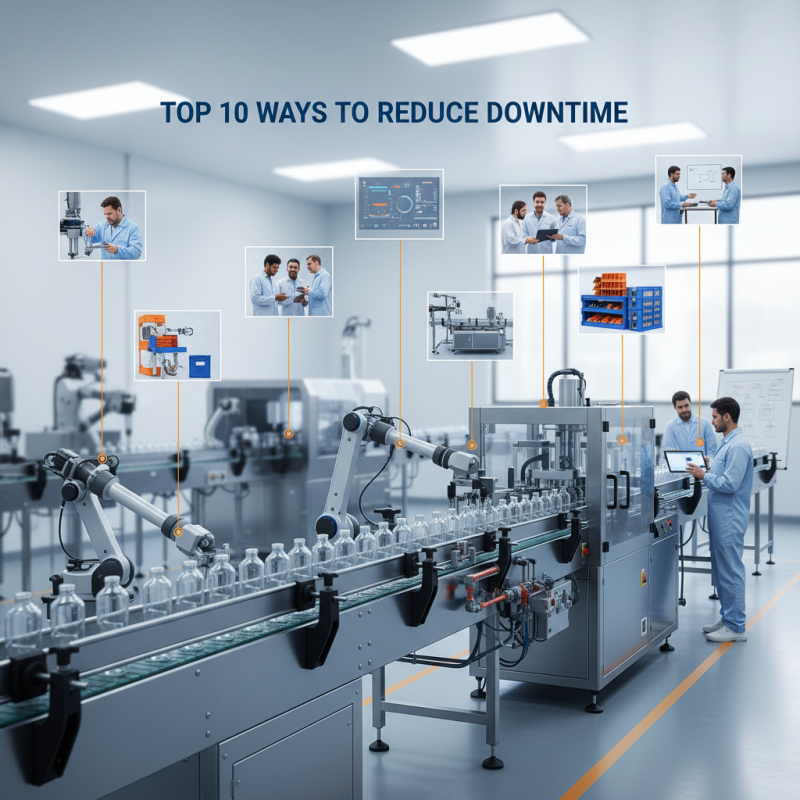
Top 10 Ways to Reduce Downtime in Liquid Filling Lines?

Identify Common Causes of Downtime in Liquid Filling Lines

Downtime in liquid filling lines can significantly impact production efficiency. Common causes include equipment failure, operator errors, and material shortages. A recent study by the National Association of Manufacturers indicates that unplanned downtime can cost manufacturers over $250,000 per hour, highlighting the critical need for effective management strategies.

Equipment failure often stems from inadequate maintenance. According to a report from the Food and Beverage Industry, 40% of downtime incidents are related to mechanical issues. Timely inspections and regular servicing can mitigate these risks. Operator errors, which contribute to 30% of downtime, can result from insufficient training. Properly training staff on equipment use is essential for minimizing these mistakes.

Material shortages create bottlenecks, interrupting the flow of production. The Supply Chain Management Review notes that nearly 20% of downtime is due to lack of necessary materials. Implementing robust inventory management systems can help anticipate shortages. However, even the best systems can fail, leading to unexpected interruptions, which requires ongoing evaluation and adaptation.

Implement Regular Maintenance Schedules for Equipment Reliability

Regular maintenance schedules are critical for ensuring equipment reliability in liquid filling lines. These schedules help to minimize unexpected breakdowns, which can be costly. According to industry reports, facilities that implement structured maintenance see up to a 25% reduction in downtime. This means not only improving productivity but also extending the lifespan of machinery.

To effectively implement maintenance, personnel should follow strict checklists for daily, weekly, and monthly tasks. An engaging way to track this is by using visual indicators, which remind operators of upcoming maintenance needs. This simple yet effective strategy can enhance accountability within teams.

It's essential to be aware of the signs that equipment may need attention, even if the machine seems operational. Look for fluctuating performance metrics or unusual sounds during operation. Such indicators can point to potential issues before they escalate, allowing teams to proactively address them. Regular training for staff on recognizing these signs can further support the reliability of the filling lines.

Train Operators on Efficient Machine Operation and Troubleshooting

Training operators on efficient machine operation and troubleshooting can significantly reduce downtime in liquid filling lines. Knowledgeable operators are crucial for quick problem resolution. They should understand the common issues that arise, such as misalignment or air leaks. By training them to identify symptoms of these issues, they can address them before they escalate into bigger problems.

Hands-on training sessions improve skill levels. Operators should practice on real equipment and familiarize themselves with its functionalities. This approach builds confidence and helps them make faster decisions during emergencies. Regular refresher courses can keep their skills sharp, ensuring they stay updated on any changes in technology.

Operators must also be encouraged to ask questions and share experiences. Learning from each other can lead to innovative solutions. Even within a well-trained team, mistakes happen. Reflecting on these experiences is key to improving processes. Every breakdown is an opportunity for learning. This mindset fosters a culture of continuous improvement, essential for maintaining efficiency in liquid filling operations.

Top 10 Ways to Reduce Downtime in Liquid Filling Lines

Utilize Real-Time Monitoring to Detect Issues Before They Escalate

In the fast-paced world of liquid filling lines, real-time monitoring is essential. Monitoring systems provide immediate insights into operations. According to industry studies, real-time data can reduce unplanned downtime by up to 30%. Early detection of potential issues can save companies significant costs.

Tips: Invest in predictive maintenance tools to identify equipment wear. Regular maintenance schedules can also minimize unexpected failures. Engage your team in training to understand system alerts better.

Challenges still exist. Not all facilities have the budget for advanced monitoring systems. Some companies overlook the benefits of integrating technology. A lack of awareness regarding downtime costs can lead to complacency. Reliable monitoring can enhance operational efficiency, but companies must commit to this strategy. Overall, it requires dedication and investment.

Invest in Upgraded Technologies for Enhanced Filling Line Performance

Investing in upgraded technologies can significantly enhance liquid filling line performance. Advanced automation systems streamline operations, reducing human error. Sensors monitor fill levels in real time, improving accuracy. This minimizes waste and ensures product quality.

Tips: Regularly train staff on new technologies. Familiarity increases efficiency and reduces downtime. Invest in maintenance tools. Keeping equipment in top shape prevents unexpected failures.

New technologies can be costly, yet they often offer long-term savings. Consider the return on investment when upgrading equipment. Digital solutions provide analytics to help identify bottlenecks in the process. Monitoring these areas can expose inefficiencies that might have gone unnoticed.

Tips: Implement a feedback loop among operators. They can provide insights on system performance. Monitor KPIs to measure improvements closely. Upgrading technology offers potential but requires constant evaluation and adaptation.

FAQS

: What are common causes of downtime in liquid filling lines?

: Common causes include equipment failure, operator errors, and material shortages.

How much can unplanned downtime cost manufacturers?

Unplanned downtime can cost manufacturers over $250,000 per hour.

What percentage of downtime incidents are due to equipment failure?

Equipment failure accounts for about 40% of downtime incidents.

How can maintenance reduce downtime?

Timely inspections and regular servicing can mitigate risks of equipment failure.

What contributes to operator errors?

Insufficient training contributes to 30% of downtime through operator errors.

How can material shortages affect production?

Material shortages can create bottlenecks, interrupting the flow of production.

What can help anticipate material shortages?

Implementing robust inventory management systems can help anticipate shortages.

Why is operator training important?

Training helps operators resolve issues quickly and reduces downtime significantly.

How can hands-on training be beneficial?

It improves skill levels and builds confidence in real equipment use.

What mindset should operators adopt for continuous improvement?

Operators should reflect on mistakes and view every breakdown as a learning opportunity.

Conclusion

Reducing downtime in liquid filling production lines is critical for maintaining productivity and efficiency. Understanding the common causes of downtime allows operators to address potential issues proactively. Implementing regular maintenance schedules ensures equipment remains reliable and reduces the likelihood of unexpected breakdowns. Additionally, training operators on efficient machine operation and troubleshooting can empower them to quickly resolve minor issues before they escalate into larger problems.

Utilizing real-time monitoring systems is another effective strategy, as it provides immediate insights into the operational status of the filling lines. Investing in upgraded technologies can further enhance performance, leading to smoother operations and less downtime. By following these strategies, facilities can significantly improve their processes and effectively reduce downtime of liquid filling production lines.

Henry

Henry

Henry is a dedicated marketing professional with a profound expertise in the company's offerings. With years of experience in the industry, he possesses an impressive understanding of the market dynamics and consumer behaviors that drive success. Henry is committed to sharing his insights through......