How to Maintain Hygiene Standards in Liquid Filling Processes?

Time:2026-08-30 Author:Madeline
0%

Maintaining hygiene standards in liquid filling processes is crucial for product safety and quality. As industries evolve, so do the methods and practices needed to ensure cleanliness. With the growing demand for high-quality liquid products, companies must adopt rigorous hygiene protocols. Understanding how to ensure hygiene standards in liquid filling processes is essential for any manufacturer.

The liquid filling process involves various stages, each presenting potential contamination risks. From equipment cleanliness to operator hygiene, every aspect plays a significant role in the final product's integrity. Regular training for staff on hygiene practices is vital. However, it's common for companies to overlook simple aspects, like handwashing or equipment inspection. Addressing these gaps can help maintain hygienic operations.

Investing in proper equipment and technologies also contributes to upholding hygiene standards. Automated systems can minimize human contact and reduce contamination chances. Yet, not all companies may prioritize these investments, leading to inconsistencies in hygiene practices. Reflecting on current practices and striving for improvement can significantly impact overall success in liquid filling processes.
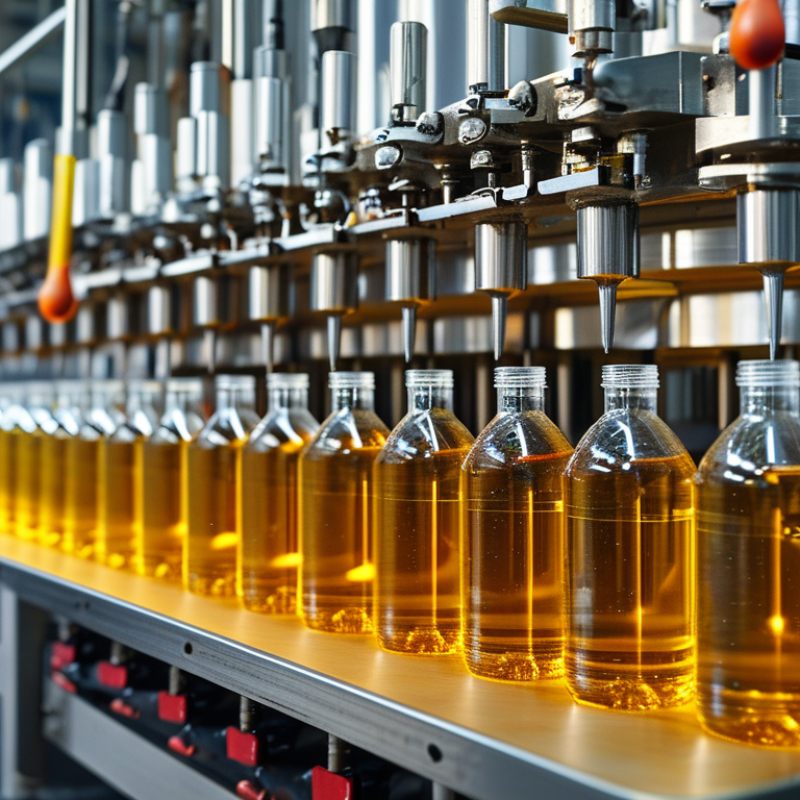
How to Maintain Hygiene Standards in Liquid Filling Processes?

Essential Principles of Hygiene in Liquid Filling Processes

Maintaining high hygiene standards in liquid filling processes is critical. The global food safety and hygiene market is projected to reach $45.7 billion by 2025, highlighting the increasing importance of sanitation in production environments. Adhering to essential hygiene principles can significantly mitigate contamination risks.

One core principle is regular cleaning and sanitization. An audit by the Food Safety Consortium found that 70% of contamination incidents during filling processes stem from inadequate cleanliness. Daily routines should include washing equipment with approved disinfectants, focusing on hard-to-reach areas where bacteria can thrive. Implementing a color-coded system for cleaning tools can also reduce cross-contamination risks.

Another crucial aspect is staff training. A report from the Center for Food Safety indicates that human errors account for 80% of food safety issues. Ongoing training sessions should cover proper hygiene practices, personal protective equipment usage, and contamination awareness. It’s vital to create a culture of accountability where employees feel responsible for maintaining hygiene. Regular assessments can help identify areas needing improvement, fostering a proactive approach to hygiene compliance.

Key Equipment and Materials for Maintaining Hygiene Standards

Maintaining hygiene standards in liquid filling processes is crucial for product safety. Key equipment plays an essential role in achieving these standards. For instance, automated filling machines equipped with stainless steel components reduce the risk of contamination significantly. A report from the Beverage Industry stated that 80% of contamination risks stem from the machinery used.

Choosing appropriate materials is equally important. Seals and gaskets made from food-grade silicone minimize microbial growth. Regular inspections can help identify wear and tear that might compromise hygiene. Rigid standards advocate for replacing worn-out components, as even minor damages can lead to contamination. A study published in the Journal of Food Safety indicated that improper maintenance could lead to a 30% increase in spoilage rates.

In addition to equipment and materials, training is essential. Staff should be well-informed about hygiene protocols. However, many organizations overlook this vital aspect. Regular audits and feedback loops can help reinforce proper practices and identify areas for improvement. A recent survey showed that 50% of food processing facilities fail to conduct adequate training sessions. This gap indicates a need for continuous reflection and growth in maintaining hygiene in liquid filling processes.

Best Practices for Cleaning and Sanitizing Filling Systems

Maintaining hygiene standards in liquid filling processes is crucial for product safety. Proper cleaning and sanitizing of filling systems can prevent contamination. According to a report from the Food and Drug Administration, about 80% of foodborne illnesses are related to inadequate sanitation practices. This highlights the need for stringent hygiene protocols.

Regular cleaning schedules should be established. Equipment should be disassembled and thoroughly cleaned. Use hot water and approved detergents for effective removal of residues. Ensure that all components are rinsed properly to eliminate cleaning agents. Sanitize using EPA-approved solutions to achieve microbial reduction.

Implement training programs for staff. Ensure all team members understand the importance of hygiene. Regular audits can help identify gaps in the cleaning process. Encourage collaboration among employees to foster a culture of cleanliness.

It is vital to document all cleaning procedures and outcomes. This practice not only improves accountability but also helps in identifying recurring issues. Cleaning effectiveness may wane over time, requiring adjustments. Regularly review cleaning techniques and standards to stay updated. Continuous improvement in cleaning practices leads to better hygiene outcomes.

Monitoring and Documentation of Hygiene Protocols

Monitoring hygiene protocols in liquid filling processes is crucial for maintaining safety. Regular audits provide a structured approach to assess compliance with hygiene standards. These audits should include checks on equipment cleanliness and proper use of personal protective gear. Observations must be documented meticulously to track any deviations from established standards. This documentation offers a historical record that can be essential for compliance reviews and future training.

In addition to regular audits, real-time monitoring of hygiene practices is essential. This can involve observing the filling process and recording any lapses. Having designated personnel responsible for monitoring can foster accountability. Furthermore, using technology to assist with tracking hygiene metrics can enhance reliability. Integrating digital documentation tools is not always perfect, and training staff may reveal gaps in understanding. Frequent evaluations foster improvement, but they also highlight areas needing attention. Regularly reviewing documentation helps identify patterns that might compromise hygiene and illustrates the importance of continuous learning in this area.

How to Maintain Hygiene Standards in Liquid Filling Processes? - Monitoring and Documentation of Hygiene Protocols

Hygiene Protocol Frequency Documentation Method Responsible Personnel Status
Equipment Cleaning Daily Logbook Entry Operator Compliant
Sanitization of Filling Stations Every Shift Digital Checklist Supervisor Pending
Personal Hygiene Checks Weekly Attendance Record HR Department Compliant
Preventive Maintenance of Equipment Monthly Maintenance Report Maintenance Team Compliant
Quality Control Testing Per Batch Test Results Log QC Department Compliant

Training Staff on Hygiene Practices in Liquid Filling Operations

Training staff on hygiene practices is crucial in liquid filling operations. Employees should understand the importance of maintaining cleanliness. This awareness can prevent contamination and protect product quality. Regular training sessions can help reinforce these practices. Engaging staff in discussions about hygiene can lead to a safer working environment.

Hands-on training can be effective. Simulating real-life scenarios where hygiene is at risk helps staff recognize potential issues. Creating checklists for daily tasks encourages accountability. Observing how team members implement these practices can identify areas for improvement. Not all employees may grasp hygiene standards on the first attempt. Continuous education is necessary.

Moreover, subtle reminders can make a big difference. Posting visual aids near filling stations keeps hygiene at the forefront of employees’ minds. Encouraging staff to share experiences may foster a culture of vigilance. This approach not only builds expertise but also instills a sense of responsibility. Regular assessments of hygienic practices can highlight gaps in knowledge, paving the way for targeted training.

FAQS

: Why is maintaining hygiene standards important in liquid filling processes?

: It ensures product safety and reduces contamination risks significantly.

What equipment is essential for achieving hygiene standards?

Automated filling machines with stainless steel components minimize contamination risks effectively.

How can material selection impact hygienic practices?

Using food-grade silicone seals and gaskets limits microbial growth significantly.

Why are regular inspections necessary?

They help identify wear and tear, preventing potential contamination from damaged components.

What percentage of food processing facilities conduct adequate training?

Studies show that 50% fail to provide adequate training sessions on hygiene practices.

How does employee training influence hygiene standards?

It creates awareness and helps prevent contamination, improving overall product quality.

What is a potential gap in documenting hygiene protocols?

Not all staff may understand the documentation process, which may lead to inconsistencies.

How can technology enhance hygiene monitoring?

Digital tools can track hygiene metrics, but the integration is often imperfect and may need adjustments.

What role do audits play in maintaining hygiene?

They assess compliance and document observations, helping to identify areas needing improvement.

Why is continuous training necessary for staff?

Not all employees grasp hygiene standards immediately, so ongoing education reinforces learning and accountability.

Conclusion

Maintaining hygiene standards in liquid filling processes is crucial for ensuring product safety and quality. To ensure hygiene standards in liquid filling processes, it's essential to follow key principles such as employing appropriate equipment and materials that minimize contamination risks. Regular cleaning and sanitizing of filling systems are fundamental best practices to uphold these standards, along with the meticulous monitoring and documentation of hygiene protocols that help in maintaining compliance.

Training staff on hygiene practices is another vital aspect that reinforces a culture of cleanliness within the operation. By equipping employees with the necessary knowledge and skills, organizations can effectively prevent contamination and ensure the integrity of their liquid filling processes. Through a comprehensive approach encompassing these elements, companies can achieve high hygiene standards that are pivotal for operational success.

Madeline

Madeline

Madeline is a dedicated marketing professional with a wealth of expertise in our company's core offerings. With a keen understanding of the industry, she brings a unique perspective to her role, consistently delivering high-quality content that highlights the superior aspects of our products. As......