How to Improve Filling Speed Without Sacrificing Accuracy?

Time:2026-07-11 Author:Liam
0%

In today's fast-paced manufacturing environment, the challenge of "How to improve filling speed without losing accuracy" is crucial. According to a recent report by the International Society of Automation, nearly 30% of production lines face efficiency issues due to slow filling processes. Industry expert Dr. Emily Carter states, "Balancing speed and accuracy is essential for maintaining product quality and meeting market demands."

Improving filling speed often leads to compromises in precision. This creates tension in production lines, potentially impacting overall efficiency. A study by the Packaging Machinery Manufacturers Institute highlights that optimizing filling speed can increase throughput by 25%. However, this improvement must not sacrifice accuracy, as even minor errors can lead to costly recalls and consumer dissatisfaction.

Manufacturers must embrace technologies like advanced sensors and automation systems that support both speed and precision. It is vital to analyze existing workflows and identify bottlenecks that hinder performance. Achieving optimal filling speed requires a reevaluation of processes. It demands a commitment to continuous improvement and innovation. In this complex landscape, companies can thrive if they carefully navigate the balance between speed and accuracy.
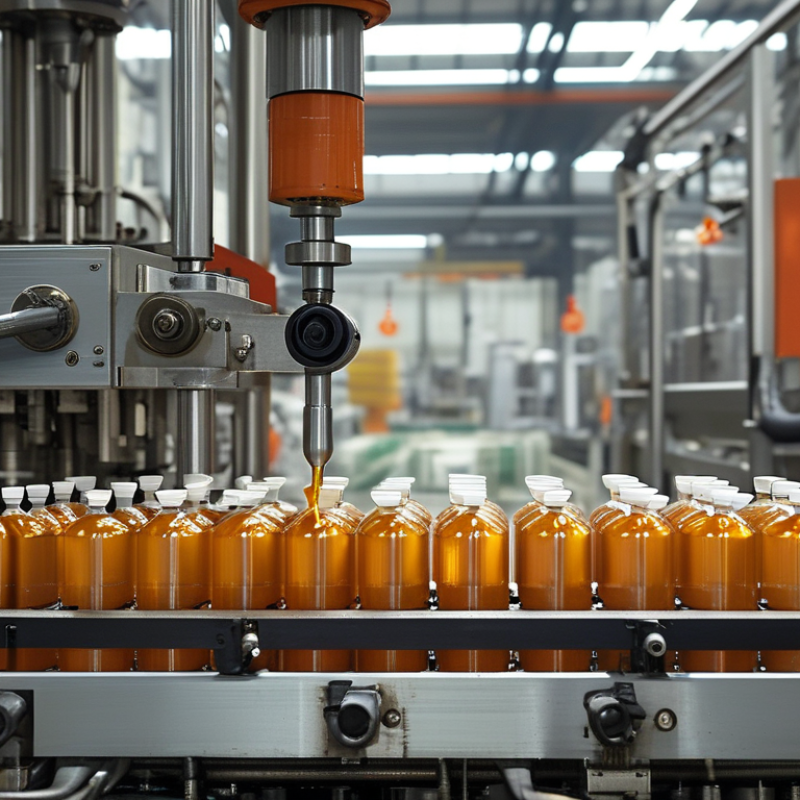
How to Improve Filling Speed Without Sacrificing Accuracy?

Understanding the Relationship Between Filling Speed and Accuracy

Filling speed and accuracy are crucial in many industries, especially manufacturing and packaging. Understanding how these two factors relate can help improve overall processes. A faster filling speed often leads to mistakes, like overflows or under-filling. This creates waste and can cost companies money.

Achieving balance is challenging but necessary. Training employees effectively can lead to greater accuracy at higher speeds. Regular maintenance of machinery is vital. Machines running inefficiently can exacerbate errors. A systematic approach should include monitoring performance closely. Keeping track of failures allows teams to identify patterns and make adjustments.

Implementing visual aids at filling stations can enhance focus. Color-coded indicators can remind operators to check for accuracy frequently. However, introducing new systems might disrupt workflow. It's essential to evaluate how these changes affect daily operations. Each attempt to increase speed should be examined for its trade-offs. Continuous improvement relies on learning from both successes and mistakes.

Common Challenges in Balancing Filling Speed and Accuracy

In the world of manufacturing, achieving a balance between filling speed and accuracy poses significant challenges. Many factors contribute to this dilemma. For instance, equipment calibration can affect both speed and precision. If machines operate too quickly, they may cause spills or underfills. Conversely, slowing down might ensure accuracy but can lead to inefficiencies.

Operators often encounter issues related to training. New staff may struggle with high-speed operations, leading to errors. This emphasizes the importance of continuous training and development. Even seasoned workers can become complacent, affecting their performance. Regular evaluations can help identify these problems before they escalate.

Another common hurdle is the variability of materials used in the filling process. Different liquids have unique viscosities that can impact filling times. Adjusting machinery settings for each product can be time-consuming. However, ignoring material properties can lead to inconsistent outputs. Finding a middle ground that respects both speed and accuracy is vital. Continuous improvement efforts are essential, fostering an environment where teams can assess and refine processes regularly.

Techniques to Enhance Filling Speed While Maintaining Precision

Filling speed can greatly affect productivity. Improving this speed without losing accuracy is a challenge many face. One effective technique is optimizing the workflow. Streamlining processes reduces delays and enhances efficiency. For instance, arranging tools and materials in a logical order can cut down time spent searching for items. This small adjustment can lead to significant gains in filling speed.

Training personnel on best practices is crucial as well. Employees who understand the importance of speed and accuracy can perform better. Continuous assessment of their skills helps identify areas for improvement. Regular feedback sessions can pinpoint common mistakes, allowing staff to focus on accuracy while increasing their speed. The balance between these two factors is delicate and requires ongoing attention.

However, one must acknowledge that not every change will yield immediate results. Some strategies might require time and experimentation. It’s essential to monitor the effects of any adjustment made. Analyzing data helps teams to understand what works and what doesn’t. Embracing this trial-and-error process fosters an environment where speed and precision can truly coexist.

Utilizing Technology for Improving Filling Processes Effectively

In today's fast-paced manufacturing environment, improving filling speed while maintaining accuracy is crucial. Technology plays a vital role in optimizing these processes. Automated systems can drastically reduce human error. Implementing smart sensors ensures measurements are precise. Precision is non-negotiable; even small errors can lead to significant issues.

However, introducing new technology comes with challenges. Employees may need training to adapt effectively. Some systems can be costly, requiring careful budget considerations. Regular maintenance is crucial for these technologies to function seamlessly. There is a learning curve, and initial speeds may not meet expectations. Assessing the impact of these changes is essential for long-term success.

Monitoring real-time data analytics can refine processes over time. Adaptations based on performance metrics may reveal inefficiencies. Using technology wisely can enhance speed and accuracy, but vigilance is necessary. Striving for improvement continuously is key in a competitive market.

How to Improve Filling Speed Without Sacrificing Accuracy? - Utilizing Technology for Improving Filling Processes Effectively
Technology Filling Speed (units/hour) Accuracy (%) Investment Cost ($) Return on Investment (ROI)
Automated Filling Machines 1200 98 50,000 150%
Weight-Based Filling Systems 1000 95 30,000 120%
Vision Inspection Systems 800 99 25,000 180%
Smart Sensors and IoT 1100 97 45,000 140%
Data Analytics for Process Optimization 900 96 20,000 160%

Training and Best Practices for Operators to Optimize Performance

Training operators effectively is key to enhancing filling speed while maintaining high accuracy. Providing comprehensive training sessions can help operators understand the machinery better. Operators should learn about common mistakes they might make. This knowledge helps them to focus on improving their performance and productivity.

Best practices play a vital role in optimizing the filling process. Operators must familiarize themselves with the equipment and filling materials. Regularly reviewing operational guidelines reinforces their understanding. Involving operators in discussions about their experiences can uncover specific challenges they face. This collaboration allows for tailored solutions that fit their needs.

Encouraging a culture of continuous improvement matters. Regular feedback sessions can highlight areas needing reflection. Operators might overlook small errors that accumulate over time. A platform for sharing insights fosters a supportive environment. By focusing on these elements, the team can collectively work towards better efficiency and accuracy in filling operations.

How to Improve Filling Speed Without Sacrificing Accuracy

FAQS

: What are common challenges in filling speed and accuracy?

: Balancing speed and accuracy is difficult. Quick operations can cause spills, while slow operations may reduce efficiency.

How does equipment calibration impact filling processes?

Calibration affects both speed and precision. Improperly calibrated machines can lead to underfills or excessive spills.

Why is continuous training important for operators?

Training helps operators handle high-speed operations better. New staff often face challenges, but continuous learning can improve performance.

What role does material variability play in filling accuracy?

Different materials have unique properties. Ignoring these can result in inconsistent outputs, affecting both speed and accuracy.

How can operators be encouraged to share their experiences?

Involving operators in discussions can reveal challenges. Collaborative solutions can then be tailored to meet specific needs.

What are best practices to optimize filling performance?

Operators should regularly review guidelines and familiarize themselves with equipment. Understanding common mistakes enhances productivity.

How can feedback sessions benefit the filling process?

Regular feedback helps identify areas for improvement. It encourages operators to reflect on overlooked small errors.

Why is a culture of continuous improvement important?

Continuous improvement fosters an environment for assessing processes. It helps teams work towards better efficiency and accuracy.

What should operators focus on during training?

Operators should learn about machinery and common errors. This knowledge enhances their skills and overall productivity.

How can complacency affect seasoned workers?

Even experienced operators may become complacent. Regular evaluations are necessary to detect and address performance issues.

Conclusion

In the quest to address the question of "How to improve filling speed without losing accuracy," it is essential to first understand the intricate relationship between filling speed and accuracy in various processes. Many common challenges arise in this balancing act, such as the risk of errors when trying to enhance speed. To overcome these obstacles, several techniques are available to boost filling speed while ensuring precision remains intact.

Additionally, the integration of advanced technology plays a crucial role in refining filling processes. Utilizing automation, real-time monitoring, and data analytics can significantly enhance efficiency without compromising quality. Finally, investing in proper training and implementing best practices for operators is vital for optimizing performance, enabling staff to work more effectively and safely in achieving the desired balance between speed and accuracy.

Liam

Liam

Liam is a dedicated marketing professional with a profound expertise in the industry, where he excels at highlighting the unique advantages of our core products. With a keen understanding of market trends and consumer needs, Liam frequently updates our company’s professional blog, providing......