Why Preventing Foaming During Liquid Filling Matters?

Time:2026-05-25 Author:Sienna
0%

Foaming during liquid filling can create significant challenges for manufacturers. The presence of bubbles can lead to inaccurate measurements and wasted materials. In highly regulated industries, such as pharmaceuticals and food packaging, these issues become even more critical. Understanding how to prevent foaming during liquid filling is essential for maintaining product quality and operational efficiency.

One effective strategy is adjusting the filling speed. A slower filling rate can reduce the turbulence that causes foaming. Additionally, choosing the right nozzle design can minimize air entrapment. Not all solutions work for every situation, and trial and error may be necessary. It is important to continuously monitor the filling process for unwanted foam, as conditions can change rapidly.

Techniques such as using anti-foaming agents can offer quick fixes, but they require careful consideration. Adding too much can alter product integrity. Reflecting on each filling batch can provide insights into the effectiveness of these methods. Ultimately, preventing foaming not only protects the product but also enhances the brand's reputation for quality and reliability.
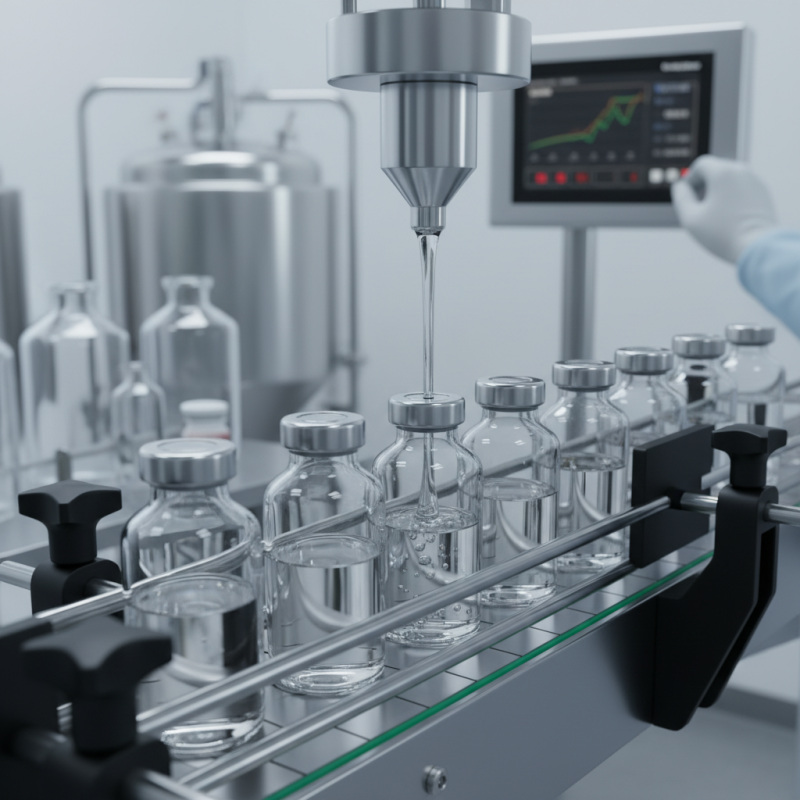
Why Preventing Foaming During Liquid Filling Matters?

Understanding Foaming in Liquid Filling Processes

Foaming in liquid filling processes can significantly impact product quality. Foam can create inconsistencies in volume and affect the stability of the liquid. For industries like pharmaceuticals and food production, maintaining precise filling standards is crucial. Foam may lead to incorrect dosages or impair the product's shelf life.

Understanding the causes of foaming is key. Factors such as temperature, agitation speed, and liquid composition can all contribute. For instance, a rapid filling rate might introduce more air, resulting in excessive foam. Even minor variations can yield undesirable outcomes. Observing the environment and adjusting parameters can help mitigate these issues.

In practice, the problem is often more complex than it appears. Equipment design may influence foam levels too. A filling machine's nozzle or bowl design can either trap air or allow for smoother liquid flow. These operational details require careful consideration. Without attention, manufacturers may face costly recalls or customer dissatisfaction.

The Impact of Foaming on Product Quality and Consistency

Foaming during liquid filling can severely impact product quality. When foam forms, it occupies space that should contain the liquid. This can lead to underfilling or inconsistent volumes in packages. Such inconsistencies may frustrate customers. They expect each product to meet specific standards.

Consequently, the presence of foam can affect the physical properties of the liquid. This might result in unwanted air pockets, which compromise the product's integrity. For instance, sensitive formulations like pharmaceuticals or cosmetics are particularly vulnerable. Their effectiveness can diminish if they aren't filled correctly.

Moreover, the aesthetic appeal of the product may suffer. Excessive foam, especially in beverage applications, can create a negative impression. Customers are likely to question the quality if the appearance is off. Addressing foaming issues during production is critical for maintaining trust and satisfaction with the final product. It is not just about filling a container; it is about creating a consistent experience.

Methods to Prevent Foaming in Liquid Filling Operations

Foaming during liquid filling can lead to numerous issues. Inefficient filling operations, increased waste, and product inconsistency are common problems. Understanding how to prevent foaming is vital for achieving smooth operations. Foam can trap air, disrupting the filling process and creating uneven product levels. Preventing foaming should be a priority in liquid filling.

One effective method is controlling the filling speed. Fast filling can introduce air, which leads to foam. Slower filling allows liquid to settle, minimizing air incorporation. Another technique involves adjusting the filling temperature. Warmer liquids tend to produce less foam. Incorporating anti-foaming agents can also be beneficial. However, this should be approached with caution, as improper use can affect product quality.

Equipment choice plays a crucial role. Using the right nozzle or filler can significantly reduce foam generation. Regular maintenance of machines ensures they function correctly, leading to fewer foaming issues. Operators need to be trained in handling equipment properly. Mistakes in operation can increase foaming significantly. Reflection on these practices is necessary for continuous improvement in liquid filling processes.

Benefits of Reducing Foam for Efficiency and Cost-Effectiveness

Foam can be a significant issue during liquid filling processes. Reducing foam is crucial for increasing efficiency. Studies show that excessive foaming can lead to product waste. In fact, up to 5% of liquid can be lost due to foam overflow. This waste drives up production costs and time.

Efficient foam management helps manufacturers save money. A report from the International Society for Beverage Technology indicates that minimizing foam during filling can improve yield rates by 10–15%. Moreover, with optimal filling techniques, companies can enhance their operational efficiency. This improvement reduces labor costs and shortens filling time.

While many companies are aware of foam control methods, not all implement effective solutions. Some still rely on traditional approaches, which may be outdated. Regularly reviewing filling equipment and techniques can reveal areas for improvement. Embracing new technologies may offer better foam control, ensuring product integrity and profitability.

Industry Standards and Best Practices for Foam Management

Foaming during liquid filling can significantly impact production efficiency. Effective foam management is crucial in various industries, especially food and beverage, pharmaceuticals, and cosmetics. According to the National Association of Manufacturers, approximately 20% of product loss in liquid filling processes can be attributed to foam-related issues. This emphasizes the necessity of maintaining high standards in foam control.

Implementing best practices is essential. Many facilities prioritize the use of specialized equipment designed to minimize foam generation. For example, foam-reducing agents, such as defoamers, are often incorporated into the filling process. The American Society for Testing and Materials has established guidelines for the use of these agents, ensuring they meet safety and efficacy standards for respective industries. Additionally, proper temperature control during filling can help in reducing foam formation.

Staff training plays a vital role in foam management. Operators must understand the dynamics of the materials they handle. They should be aware of the variables that contribute to foaming. A lack of knowledge can lead to improper handling, resulting in increased foam and wasted resources. Continuous improvement initiatives often highlight such training as a key factor in enhancing operational efficiency. Addressing these challenges requires a comprehensive approach to foam management.

Impact of Foaming on Liquid Filling Efficiency

This chart illustrates the correlation between the level of foam during liquid filling processes and the efficiency of operations, measured in terms of production time lost and product quality degradation.

FAQS

: What causes foaming during liquid filling operations?

: Foaming occurs when air is trapped in liquid. It disrupts filling and creates uneven product levels.

How can filling speed affect foaming?

Fast filling introduces more air, leading to foam. Slower filling minimizes air and reduces foam formation.

Does temperature impact foam production?

Yes, warmer liquids tend to produce less foam. Adjusting temperature can help mitigate foaming issues.

Are anti-foaming agents effective?

They can be beneficial but must be used carefully. Improper use may compromise product quality.

Why is equipment choice important in preventing foam?

The right nozzle or filler can significantly reduce foam generation. It’s essential for smooth operations.

What role does equipment maintenance play in foaming issues?

Regular maintenance keeps machines functioning properly. Well-maintained equipment leads to fewer foaming problems.

How does foam impact production costs?

Excessive foam can cause waste, resulting in lost liquid. This increases production costs and time.

Why do some companies struggle with foam control?

Some rely on outdated methods, lacking effective solutions. Regular reviews can uncover areas needing improvement.

What benefits come from reducing foam in filling processes?

Reduced foam improves efficiency and saves money. Companies can enhance yield rates and reduce labor costs.

Is it necessary to train operators in equipment handling?

Yes, proper training is crucial. Mistakes can significantly increase foaming and impact overall performance.

Conclusion

Foaming during liquid filling processes can significantly impact product quality and consistency, making it crucial to understand its causes and effects. The presence of foam can lead to inaccurate filling levels, product contamination, and increased waste, ultimately compromising the integrity of the final product. To address these challenges, it is essential to explore effective methods on how to prevent foaming during liquid filling.

Implementing techniques such as optimizing filling speeds, using anti-foaming agents, and selecting appropriate equipment can help mitigate foam formation. The benefits of reducing foam extend beyond product quality, enhancing operational efficiency and cost-effectiveness. Adhering to industry standards and best practices for foam management not only supports consistent production results but also aligns with regulatory compliance, ensuring a smoother workflow in liquid filling operations.

Sienna

Sienna

Sienna is a skilled marketing professional with a deep expertise in our company’s core products and services. With a passion for innovation and detail, she plays a pivotal role in crafting insightful blog posts that not only highlight the unique features of our offerings but also provide valuable......