Filling accuracy in liquid filling equipment is crucial to many industries. It directly impacts product quality and customer satisfaction. Understanding what factors affect filling accuracy in liquid filling equipment can help manufacturers improve efficiency.
Several elements contribute to filling accuracy. These include the calibration of machines, the viscosity of liquids, and environmental conditions. Each factor plays a role in achieving precise measurements. For instance, if calibration is off, even small errors can lead to significant discrepancies over time. Viscosity can also change based on temperature, making consistency harder to maintain.
Moreover, equipment wear and tear is common. Regular maintenance can be overlooked, leading to inaccuracies. It’s essential to create a system that regularly checks these variables. Understanding the challenges can lead to better practices. Each factor requires attention, especially in high-stakes environments. By addressing these issues, industries can enhance overall filling accuracy.
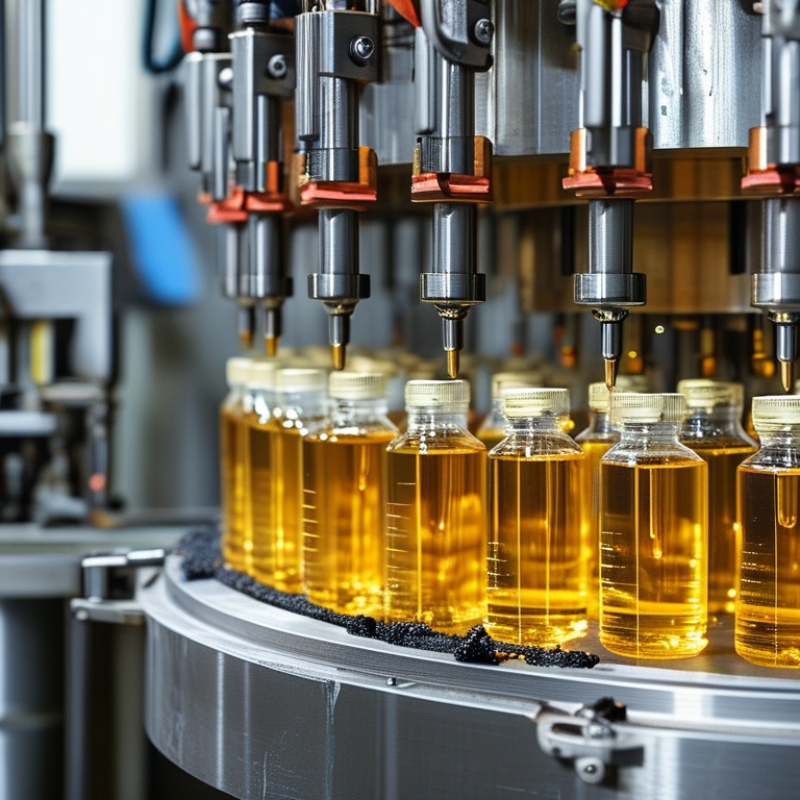
Top Factors Influencing Filling Accuracy in Liquid Filling Equipment
Filling accuracy in liquid filling equipment is crucial for many industries. It directly impacts product quality and operational efficiency. Several factors influence this accuracy, and understanding them can help improve processes.
One primary factor is machine calibration. Regular calibration ensures that equipment operates within specified parameters. Outdated calibration can lead to discrepancies in fill volumes. Another important aspect is the viscosity of the liquid. Thicker liquids often require different techniques, which can complicate the filling process. Equipment must be designed to handle varying viscosities effectively.
Operator training also plays a critical role. Inexperienced operators might make mistakes that lead to filling inaccuracies. Proper training helps them understand equipment nuances and react swiftly to anomalies. Quality control checks should be performed frequently. A lack of these checks can result in significant errors over time, affecting customer satisfaction and profitability. Addressing these elements can enhance filling accuracy, but it requires ongoing attention and process adjustments.
Understanding Liquid Properties and Their Impact on Filling Precision
The properties of liquids play a crucial role in the accuracy of filling equipment. Viscosity, for instance, directly influences flow rates during the filling process. Highly viscous liquids require more robust machinery to ensure consistent filling. If not properly calibrated, these factors can lead to overfilling or underfilling, both of which compromise product integrity and cost.
Density is another vital aspect that affects filling precision. Heavier liquids may need specialized pumps and flow meters to achieve the desired accuracy. An error in measuring density can result in discrepancies, impacting the final volume. Manufacturers often face challenges in adapting their systems to work with a range of liquid properties. Finding a balance between speed and accuracy should always be a priority.
Temperature is yet another variable that cannot be ignored. It affects both viscosity and density. As temperatures change, so do the liquid characteristics. This variability can lead to inconsistencies in filling. It's essential for operators to regularly monitor conditions and make timely adjustments. Failure to do so could lead to significant operational losses and quality issues. Understanding these liquid properties is integral to optimizing filling accuracy in any production line.
Importance of Equipment Calibration for Optimal Filling Accuracy
Calibrating filling equipment is crucial for achieving precise liquid measurements. Accurate filling ensures product quality and satisfies regulatory standards. Calibration helps maintain consistency in various environmental conditions. It also prevents variations that can arise from equipment wear or temperature changes. Each measurement must be spot on to prevent losses or overfills.
However, many organizations overlook regular calibration. They assume that equipment will maintain accuracy indefinitely. This misconception can lead to significant issues in production. Regular checks are essential to identify and rectify deviations. Such oversights may result in wasted resources or customer dissatisfaction. Equipment that isn’t calibrated regularly may produce variable fill volumes, impacting overall efficiency.
Moreover, training staff is vital. They need to understand the importance of calibration and routine checks. Knowledge gaps can lead to negligence in maintenance practices. Building a culture that values precision and reliability can mitigate these problems. Employees should be encouraged to speak up when they notice inconsistencies. Engaging the entire team in this process ensures better outcomes and long-term success.
Top Factors Influencing Filling Accuracy in Liquid Filling Equipment
Role of Nozzle Design in Enhancing Liquid Fill Consistency
Nozzle design plays a crucial role in achieving liquid fill consistency. According to recent industry studies, poorly designed nozzles can lead to significant variations in fill volume, impacting product quality. A report by the National Association of Manufacturers highlights that inconsistent fills can cause up to a 5% loss in revenue. Liquid dynamics within the nozzle greatly affect how liquid flows. Adjustments in diameter and angle can improve flow patterns.
Precision is vital. Research indicates that a minimal increase in nozzle size can lead to up to 15% changes in flow rate. Additionally, materials also matter. A nozzle made from incompatible materials can cause adhesion issues, leading to uneven fills. Regular maintenance and calibration are essential to mitigate these problems.
Investing in advanced nozzle technologies can enhance filling accuracy. New designs utilize aerodynamics that improve fluid velocity and reduce turbulence. However, companies may overlook the need for periodic evaluations. Ignoring nozzle assessments can result in costly production errors. Implementing a robust quality control process can address these challenges and foster continuous improvement.
Impact of Environmental Conditions on Filling Equipment Performance
Environmental conditions play a crucial role in the performance of liquid filling equipment. Temperature fluctuations can impact fluid viscosity. According to industry reports, ideal filling temperatures usually range between 15°C and 25°C. When temperatures rise above or fall below this range, accuracy can suffer significantly. Variations in viscosity may lead to underfilling or overfilling, affecting product quality.
Humidity levels also influence filling machine operations. High humidity can cause condensation on equipment, interfering with sensor functionalities. Studies indicate that humidity levels exceeding 60% can lead to increased maintenance issues. This may result in downtime, ultimately affecting productivity.
Additionally, air pressure can affect the performance of filling systems. Low air pressure may result in slower fill times, while high pressure can cause spills and overfills. Many manufacturers overlook these factors, leading to inconsistent filling results. Understanding and monitoring these environmental aspects is essential for maintaining precision in liquid filling operations. Recognizing these challenges allows manufacturers to adapt and improve their processes.
Significance of Operator Training on Achieving Accurate Liquid Fills
In liquid filling operations, accurate fills are crucial. This accuracy heavily relies on operator training. Skilled operators have a better grasp of equipment and processes. They identify issues quickly and adjust accordingly. This leads to fewer mishaps, ensuring that each fill meets specifications.
Tips: Regular training sessions can refine operator skills. Encourage hands-on practice with equipment. Simulated scenarios can be beneficial too. Operators often face unexpected challenges. Training provides them the tools to handle these situations.
Untrained operators may overlook simple steps. They might misjudge fill levels or ignore equipment settings. Mistakes like these can lead to costly errors. Continuous training helps bridge these gaps. Operators can develop a better understanding of the mechanisms behind the machines. Ongoing learning keeps them updated on best practices, enhancing overall productivity.
FAQS
: Nozzle design influences fill consistency significantly. Poor designs can cause variations, affecting product quality and revenue.
Temperature changes impact fluid viscosity, making it critical to maintain ideal temperatures between 15°C and 25°C for accuracy.
High humidity can lead to condensation, interfering with sensors and causing maintenance issues. It may increase downtime.
A slight increase in nozzle size can cause up to a 15% change in flow rates, impacting filling consistency.
Well-trained operators can quickly identify issues and adjust equipment, reducing errors and ensuring fills meet specifications.
Regular maintenance and calibration of nozzles prevent adhesion issues and uneven fills, ensuring consistent performance.
Yes, often manufacturers ignore factors like air pressure and humidity, leading to inconsistent filling results.
Untrained operators may make mistakes like misjudging fill levels, leading to costly errors and production issues.
Regular training sessions improve operator skills, helping them tackle unexpected challenges and maintain accuracy in filling.
A robust quality control process helps identify problems early, reducing costly production errors and fostering improvement.
Conclusion
Filling accuracy in liquid filling equipment is influenced by several critical factors. Understanding the properties of the liquid being filled, such as viscosity and density, plays a vital role in achieving precision. Moreover, regular equipment calibration ensures that the machinery operates optimally, reducing the risk of discrepancies in fill levels. Another essential aspect is the design of the nozzle, which significantly impacts the consistency of the liquid fill. Additionally, environmental conditions such as temperature and humidity can affect equipment performance, leading to variations in filling accuracy.
Training of operators is equally important, as skilled personnel can effectively manage the equipment and respond to any adjustments needed to maintain precision. In summary, to answer the question "What factors affect filling accuracy in liquid filling equipment", one must consider liquid properties, equipment calibration, nozzle design, environmental influences, and operator training, all of which contribute to optimal filling performance.

 Yongli Machine