How to Extend Lifespan of Filling Machine Spare Parts Efficiently?

Time:2026-06-07 Author:Oliver
0%

The efficiency of a filling machine is closely linked to the reliability of its spare parts. According to a recent industry report, approximately 25% of operational downtime in manufacturing is due to equipment failure. These failures often stem from neglecting the maintenance of spare parts. Therefore, understanding how to extend the lifespan of filling machine spare parts is crucial for maximizing productivity and minimizing costs.

A well-maintained filling machine can significantly increase output and reduce waste. Studies show that regular maintenance can improve the lifespan of machine components by as much as 30%. It’s important to recognize that spare parts, while essential, have a finite lifespan. Companies must prioritize their care and management to avoid unexpected breakdowns. Embracing best practices in maintenance can lead to more reliable operations.

Many businesses overlook the details that affect equipment longevity. Simple actions, such as keeping parts clean and addressing wear early, can make a substantial difference. Even with minor improvements, companies often see a significant return on investment. Thus, understanding how to extend the lifespan of filling machine spare parts not only enhances the machinery's performance but also contributes to overall operational success.
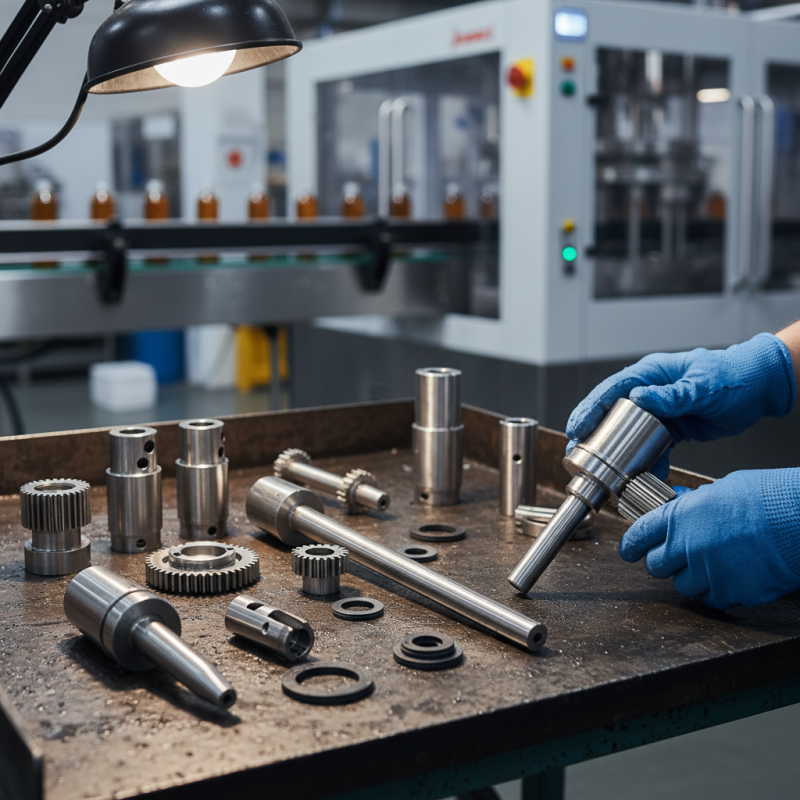
How to Extend Lifespan of Filling Machine Spare Parts Efficiently?

Importance of Preventive Maintenance for Filling Machine Parts

Preventive maintenance is crucial for extending the lifespan of filling machine spare parts. Studies indicate that effective maintenance can reduce machine downtime by up to 30%. Regular checks can identify wear and tear early, resulting in fewer major repairs. For instance, routine inspections can catch issues like pump leaks or seal wear before they escalate.

Data from industry reports shows that 40% of equipment failures can be traced back to inadequate maintenance practices. This highlights the importance of having a schedule for inspections, lubrication, and part replacements. Implementing a robust preventive maintenance program might require upfront investments but saves on unexpected costs in the long run.

Imagine a filling machine that crashes during peak production hours. The resulting loss can be significant. Yet, with a solid preventive plan, such downtime could often be avoided. Regular maintenance can also improve efficiency, with machines operating at optimal levels. Inconsistencies in maintenance efforts can lead to frustration and reduced trust in machinery. Planning ahead is key to reliability.

Understanding Common Wear and Tear in Filling Equipment

Filling equipment is crucial in many industries. Yet, these machines face common wear and tear. Understanding these issues is key to efficient maintenance. For example, seals and gaskets often degrade over time. Frequent exposure to liquids and heat accelerates this process. Regular inspections can help identify potential failures early.


Another common concern is pump wear. Pumps are vital for product transfer. They work under pressure, which can lead to erosion and fatigue. Monitoring flow rates can unveil hidden problems. If a pump struggles to maintain a consistent flow, a detailed check is necessary. Replacing worn components promptly can save costly downtimes.


Additionally, conveyor belts show signs of wear after extensive use. Misalignment or debris buildup can lead to unnecessary stress. Periodic cleaning and proper alignment can extend their life significantly. Operators often overlook these simple maintenance tasks. Addressing these issues can improve the overall efficiency of the filling operation. Regular training for staff on these maintenance points is also essential.

Choosing the Right Materials to Enhance Durability of Spare Parts

Choosing the right materials for spare parts in filling machines is crucial for longevity. Research shows that up to 30% of machinery downtime is due to component failure. Using high-quality metals like stainless steel can enhance durability and resist corrosion. According to industry reports, components made from these materials can last 25% longer than those made from standard alloys.

Another consideration is the use of advanced plastics. For instance, engineering-grade plastics can withstand extreme temperatures and pressures. Studies indicate that these materials can reduce wear and tear significantly. However, not all applications may benefit from them, and careful evaluation is essential. Some users find that familiarity with traditional materials can lead to hesitance in adopting newer solutions.

Proper maintenance complements material selection. Regular inspections and timely replacements can greatly affect performance. Yet, many overlook the need for routine checks. This oversight can lead to premature failures, undermining even the best material choices. Balancing material quality and maintenance efforts is vital for extending the lifespan of filling machine spare parts.

Utilizing Technology for Predictive Analytics in Equipment Lifespan

Predictive analytics is revolutionizing how industries manage machinery. By utilizing historical data, companies can forecast potential failures in filling machine spare parts. This allows for timely interventions, reducing downtime and maintenance costs. Advanced algorithms analyze wear patterns and operational conditions. They can predict when a component might fail, enabling preemptive replacement.

Integrating sensors into machinery provides real-time data. This data helps create a more accurate picture of equipment health. It’s not just about collecting information; it’s about interpreting it correctly. Many companies struggle with data overload. They gather vast amounts of information but fail to utilize it effectively.

Turning this data into actionable insights is crucial. Teams need to rethink their maintenance strategies. Periodic checks alone aren't enough. Continuous monitoring is key to extending part lifespans. Adopting predictive analytics may require a cultural shift within organizations. Ultimately, embracing this technology can lead to more efficient operations and fewer unexpected failures. However, organizations must continually evaluate their data strategies to maximize effectiveness.

Training Operators for Optimal Use and Maintenance of Filling Machinery

Training operators effectively is vital for maximizing the lifespan of filling machine spare parts. Operators should be knowledgeable about machine functions and specific maintenance routines. Regular workshops can provide hands-on experiences that enhance their understanding. This ensures they know how to handle machinery correctly, reducing wear and tear.

Maintenance routines need to be practical and realistic. Operators may not always follow procedures perfectly. Encouraging them to report issues is essential. Open communication leads to quicker problem identification. This allows for timely adjustments that can prevent larger breakdowns.

Creating a culture of continuous improvement requires time and effort. Operators should feel empowered to suggest changes. However, the reality is that not all suggestions will be viable. Some may require reevaluation. Nonetheless, fostering an environment where operators actively engage can significantly extend the lifespan of spare parts.

FAQS

: Why is preventive maintenance important for filling machine parts?

: Preventive maintenance extends the lifespan of spare parts and reduces downtime by up to 30%.

What can regular inspections detect?

Routine checks can catch issues like pump leaks or seal wear before they escalate.

How much equipment failure is linked to poor maintenance?

Data shows that 40% of equipment failures stem from inadequate maintenance practices.

What is the benefit of having a maintenance schedule?

A maintenance schedule ensures timely inspections, lubrication, and part replacements, preventing unexpected costs.

How can predictive analytics help in machine maintenance?

Predictive analytics forecast potential failures, enabling timely interventions to reduce downtime and costs.

What role do sensors play in maintenance?

Sensors provide real-time data on equipment health, helping teams interpret machinery conditions accurately.

Why is training operators important?

Training ensures operators understand machine functions and maintenance, reducing wear and tear on parts.

What should operators do if they notice issues?

Operators should report issues promptly to allow for quicker problem identification and resolution.

How can organizations enhance data utilization?

Organizations must evaluate their data strategies to turn gathered information into actionable insights for maintenance.

What is a challenge in creating a culture of continuous improvement?

Not all suggestions from operators will be viable; some may need reevaluation before implementation.

Conclusion

To address the question of "How to extend the lifespan of filling machine spare parts," it is essential to implement a proactive maintenance strategy. Regular preventive maintenance is crucial for identifying potential issues before they escalate, thereby minimizing wear and tear on filling equipment. Understanding the common types of deterioration that spare parts may experience allows operators to take necessary precautions and extend the operational life of these components.

Moreover, choosing high-quality materials when fabricating spare parts significantly enhances their durability. Integrating technology, such as predictive analytics, can provide valuable insights into equipment performance and lifespan, allowing for timely interventions. Finally, training operators on best practices in using and maintaining filling machinery ensures that equipment is operated efficiently, further contributing to the longevity of spare parts. Emphasizing these strategies can effectively prolong the life of filling machine spare parts, ultimately leading to reduced downtime and greater productivity in manufacturing processes.

Oliver

Oliver

Oliver is a seasoned marketing professional with a wealth of expertise in driving brand awareness and engagement. With a deep understanding of our company's product offerings, he consistently delivers high-quality content that enriches our professional blog. His insights not only shed light on......