The importance of explosion-proof design in filling machines cannot be overstated. Industries such as food processing, pharmaceuticals, and chemicals often utilize these machines. According to a report by the National Fire Protection Association, around 3700 industrial fires occur annually, costing billions. This emphasizes the critical nature of safety measures. "Why is explosion-proof design needed for certain filling machines?" This question drives many manufacturers in their quest for compliance and safety.
Experts highlight that certain environments contain flammable substances. In such cases, the risk of ignition increases significantly. Dr. Emily Johnson, a leading safety engineer, states, "Ignoring explosion risks can have catastrophic consequences." Her insights reflect a broader concern within the industry regarding the need for stringent design precautions.
While many filling machines meet basic safety standards, not all are equipped for hazardous environments. Implementing an explosion-proof design may require additional investment and engineering. However, the potential cost of a safety incident far outweighs these expenses. Thus, it becomes imperative to understand the importance of robust engineering in filling machines.
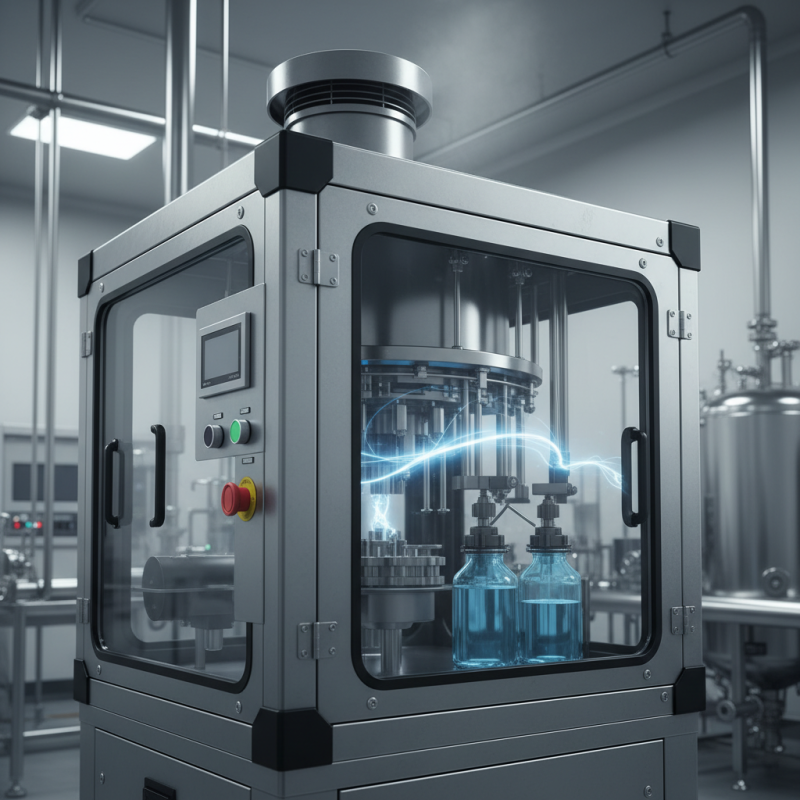
Explosion proof design is crucial in industries where flammable materials are present. Filling machines often operate in environments with dust, vapor, or explosive gases. These elements can lead to catastrophic incidents if not properly managed. Understanding explosion proof design principles can significantly mitigate these risks.
Incorporating safety features such as reinforced housing and specialized seals is essential. These elements help prevent the ignition of flammable substances. Specialized electrical enclosures are also important. They ensure that sparks from equipment do not ignite hazardous atmospheres. Each component must be rigorously tested to meet industry standards.
Training personnel on the importance of these safety measures is vital. Employees should understand potential dangers and how to implement safe practices. Regular inspections and maintenance of equipment will enhance safety. Despite these precautions, there remains room for improvement. Continuous review of safety protocols is necessary to adapt to evolving industrial challenges.
| Feature | Importance | Examples |
|---|---|---|
| Material Selection | Prevents ignition sources | Stainless steel, non-spark materials |
| Sealing Techniques | Avoids leakage of flammable substances | Hermetic seals, gaskets |
| Ventilation Systems | Reduces concentration of hazardous gases | Forced ventilation, duct systems |
| Explosion Relief Panels | Prevents pressure buildup | Rupture panels, explosion vents |
| Electrical Equipment | Minimizes electrical sparks | Explosion-proof motors, intrinsically safe systems |
: It refers to design principles aimed at preventing ignition in environments with flammable materials.
It mitigates risks of catastrophic incidents in industries handling dust, vapor, or explosive gases.
Reinforced housing and specialized seals are crucial to prevent igniting flammable substances.
Regular inspections and maintenance of equipment are essential for enhancing safety.
Employees must understand potential dangers and learn to implement safe practices effectively.
Compliance with safety regulations protects workers and equipment from accidents and disasters.
Engage employees in safety discussions and incorporate safety drills to reinforce protocols.
Clear documentation of inspections helps identify weaknesses and improve safety measures.
Continuous review and adaptation of protocols can enhance the effectiveness of safety measures.
Proactive measures help prevent issues instead of addressing them after they occur, ensuring greater safety.
Explosion-proof design is crucial for filling machines used in industrial settings due to the potential hazards associated with combustible materials and environments. Understanding the risks ensures that safety standards are effectively implemented, protecting workers and equipment alike. Common hazards in filling processes, such as flammable vapors or dust, necessitate the adoption of explosion-proof features that mitigate the risk of ignition.
The key characteristics of explosion-proof filling machines include robust construction, specialized enclosures, and effective ventilation systems, all contributing to minimizing the risk of explosions. Moreover, adherence to regulatory compliance and industry best practices is essential for ensuring operational safety. Ultimately, the question of "Why is explosion-proof design needed for certain filling machines" is answered by the imperative to safeguard human health and maintain a secure working environment, particularly in industries where volatile substances are present.

 Yongli Machine