Maintaining liquid filling machines is crucial for their performance. Proper cleaning ensures these machines work efficiently and consistently. However, many operators overlook the importance of thorough cleaning procedures. This oversight can lead to contamination and reduced machine lifespan.
Understanding how to clean liquid filling machines effectively is essential for optimal operation. Experts recommend regular cleaning schedules alongside detailed protocols tailored to the machine's specific needs. Not all cleaning solutions are suitable, and incorrect methods can cause damage.
Experience shows that many operators struggle with cleaning routines. Some might use the same solution for various products, which could lead to cross-contamination. This article explores best practices for cleaning liquid filling machines, highlighting common mistakes and practical tips to enhance performance. By prioritizing proper cleaning, you can ensure the longevity and reliability of your equipment.
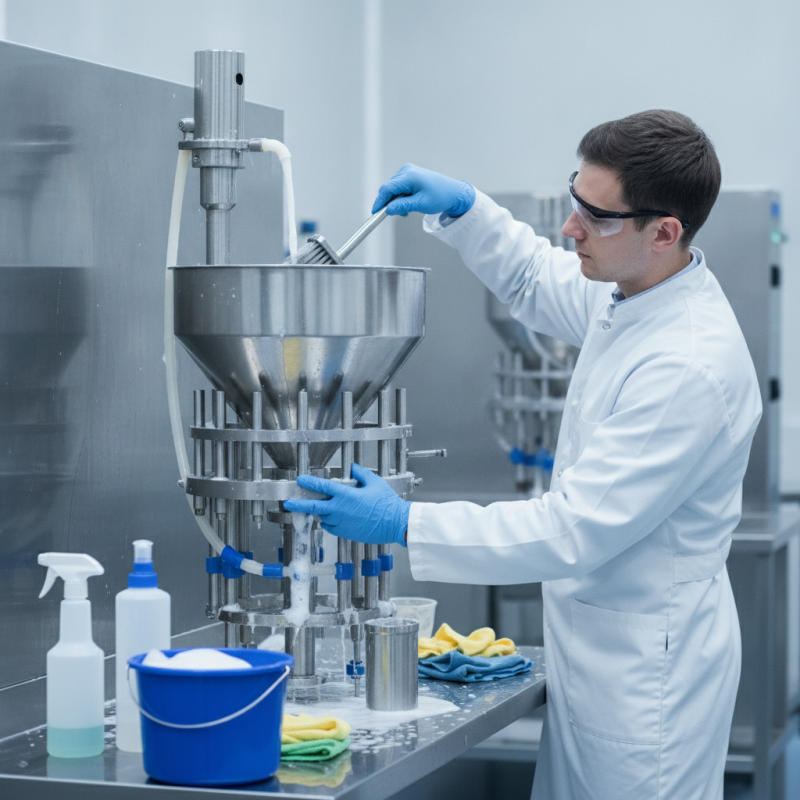
Cleaning liquid filling machines is crucial for maintaining their efficiency. A thorough cleaning process prevents contamination and ensures product integrity. Neglecting this step can lead to costly mistakes. Regular cleaning helps reduce the risk of cross-contamination between batches. Even minor residues can affect the quality of the next production run.
Understanding the importance of cleaning is vital for manufacturers. A clean machine operates more smoothly and reduces wear and tear. This can extend the equipment's lifespan, leading to significant cost savings. However, many facilities overlook cleaning schedules amidst tight production timelines. This oversight can cause long-term problems, including decreased performance and increased downtime.
Establishing a routine cleaning protocol is essential. Employees should be adequately trained on cleaning procedures. Keeping detailed logs of maintenance activities also helps identify patterns in machine performance. It’s a step that ensures a transparent cleaning history. Reflecting on current practices may reveal areas for improvement. Such a proactive approach can enhance overall machine reliability and operational output.
Cleaning liquid filling machines is essential for maintaining efficiency and safety in production. However, safety cannot be overlooked. Before beginning any cleaning, proper precautions are necessary to protect personnel and equipment.
Ensure that all operators wear appropriate personal protective equipment (PPE), including gloves and goggles. According to the Occupational Safety and Health Administration (OSHA), inadequate PPE can lead to workplace injuries. Furthermore, confirm that the area is well-ventilated to minimize exposure to any harmful chemicals or fumes. A report from the National Institute for Occupational Safety and Health (NIOSH) highlights that many accidents occur in poorly lit or ventilated spaces. Proper signage should also be placed to alert others of ongoing cleaning operations.
Tips: Before cleaning, verify that machines are powered off and disconnected from their energy sources. Also, consider using eco-friendly cleaning agents to reduce environmental impact. Failure to do so could lead to hazardous waste issues and liability concerns. Lastly, develop a step-by-step cleaning protocol that includes regular checks to ensure that the guidelines are being followed. This not only enhances safety but can also prolong the lifespan of your equipment.
Cleaning liquid filling machines is essential for maintaining their performance. An effective cleaning process minimizes downtime and ensures product quality. According to a recent industry report, regular maintenance can enhance machine lifespans by up to 30%.
Start by preparing the cleaning area. Ensure that all necessary tools and cleaning agents are within reach. Before disassembling parts, ensure the machine is powered down. Wear appropriate safety gear, including gloves and goggles. Take time to inspect and document any wear and tear during cleaning. This small step can prevent costly repairs later on.
Disassemble the machine systematically. Clean each component with the recommended cleaning solution. Pay close attention to nozzles and seals, which can harbor residues. A thorough rinse is vital. Dry each part completely to avoid corrosion. Regular audits on cleaning effectiveness can reveal gaps in the process, prompting necessary adjustments. Following this structured approach helps maintain optimal efficiency, reducing waste and enhancing product integrity.
When maintaining liquid filling machines, choosing the right cleaning solution is crucial. Various options are available, each with specific applications. For instance, alkaline cleaners effectively break down tough residues. They work well for machines handling viscous liquids. On the other hand, acid-based cleaners target mineral deposits. These are particularly useful for equipment exposed to hard water.
Biodegradable cleaning agents present an eco-friendly choice. They provide effective cleaning while being gentle on the environment. However, their effectiveness can vary based on the type of residue. It is essential to evaluate your specific requirements. This evaluation will help you select the best option. Sometimes, using a combination of cleaners yields the best results.
Cleaning techniques also matter. Manual scrubbing can miss spots, leading to issues later. Automated washing systems offer more consistent results but require thorough setup. Inspecting and testing after cleaning can reveal effectiveness. Reflecting on these practices will help you achieve optimal performance. Finding the right balance between cleaning agents and methods is key.
| Cleaning Solution | Application | Frequency of Use | Effectiveness |
|---|---|---|---|
| Water-based Detergents | General cleaning of surfaces | Daily | Good |
| Sanitizing Solutions | Kills bacteria and pathogens | Weekly | Highly effective |
| Acidic Cleaners | Removes mineral deposits | Monthly | Effective on hard water stains |
| Alkaline Cleaners | Breaks down organic material | Bi-weekly | Very effective |
| Enzymatic Cleaners | Targets specific residues | As needed | Highly effective on stubborn residues |
Maintaining optimal performance post-cleaning is vital for liquid filling machines. Proper cleaning ensures that the machinery functions efficiently and minimizes contamination risks. After cleaning, a few steps can help keep your equipment in prime condition.
One essential tip is to check that all components are thoroughly dry. Moisture can lead to malfunctions or even rust. Inspect the seals and gaskets for signs of wear. Damaged parts can compromise the filling process. Regular inspections can help identify issues before they escalate.
Another recommendation is to calibrate the machine regularly after cleaning. Calibration ensures accuracy during the filling process. Inconsistencies can lead to product waste and customer dissatisfaction. Keeping records of each calibration will provide insights into performance trends.
Don’t overlook the importance of routine maintenance. Schedule regular checks on your system. Parts may seem fine, but unseen wear can cause problems. Every part’s reliability is crucial for the entire operation. Reflecting on past maintenance can help highlight areas for improvement.
: Operators should wear gloves and goggles to protect against injuries.
Good airflow reduces exposure to harmful chemicals or fumes, preventing accidents.
Always ensure the machine is powered off and disconnected from energy sources.
Eco-friendly cleaning agents are recommended to minimize environmental impact.
Regular inspections can identify wear and tear, avoiding costly repairs later.
Conduct audits and adjust your cleaning protocols to improve effectiveness.
Yes, documentation helps track maintenance and identify areas for improvement.
Each part must be dried completely to avoid corrosion issues.
Ignoring protocols can lead to unsafe conditions and reduced equipment lifespan.
An effective cleaning process minimizes downtime and enhances product quality.
Cleaning liquid filling machines is essential for maintaining their optimal performance and ensuring product quality. This article emphasizes the significance of regular cleaning and outlines essential safety precautions to take before beginning the cleaning process. Readers will find a comprehensive step-by-step guide on how to clean liquid filling machines effectively, which includes the necessary tools and methods for efficient cleaning.
Additionally, the article discusses common cleaning solutions and their specific applications to enhance the effectiveness of the cleaning process. Lastly, it highlights the importance of post-cleaning maintenance to ensure that the machines operate at their best, helping businesses achieve higher productivity and reliability in their operations. By following these guidelines, operators can ensure that their liquid filling machines remain in top condition.

Yongli Machine