In the competitive landscape of manufacturing, selecting the right filling machine is crucial. The decision often boils down to one question: What is the difference between automatic and semi-automatic filling machines? According to a recent industry report by Grand View Research, the global filling machine market is projected to reach $6.95 billion by 2027, highlighting the vital role of this equipment in production efficiency.
Automatic filling machines are designed for high-capacity production. They can operate continuously with minimal human intervention, making them ideal for large-scale operations. They enhance productivity but may come with significant upfront costs. On the other hand, semi-automatic machines offer flexibility and are generally easier to operate. They cater to smaller businesses or those with variable production needs.
Each machine type has its pros and cons. Automatic machines may require extensive maintenance, while semi-automatic ones need skilled labor for operation. It’s essential to evaluate production volume, budget constraints, and operational capabilities to make an informed choice. Failing to consider these factors could lead to inefficiencies and increased costs in the long run. Making the right decision can significantly impact overall productivity and profitability in a highly dynamic market.
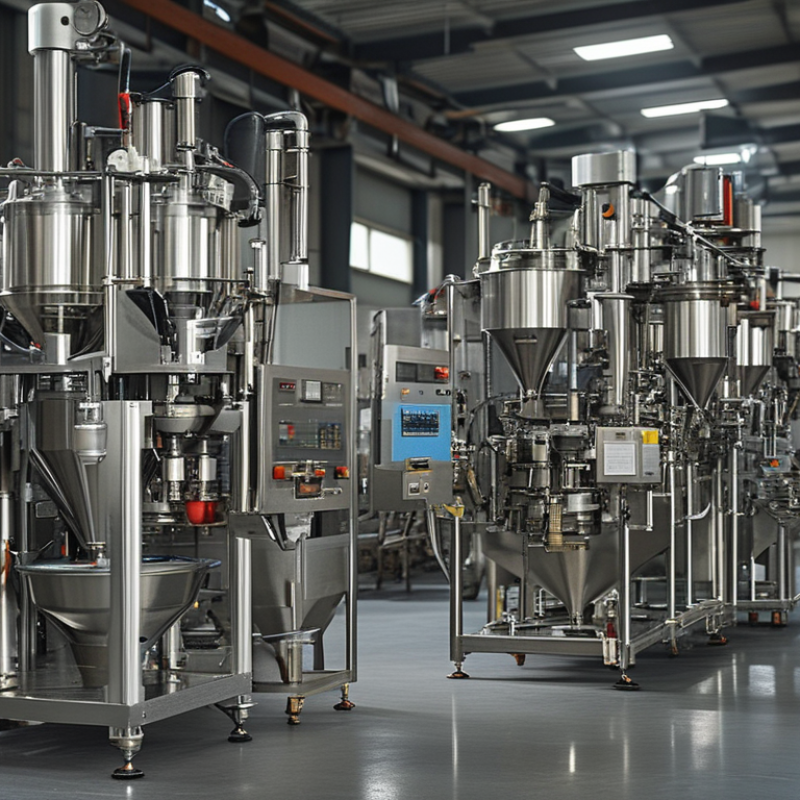
Understanding the Basics of Filling Machines: Automatic vs. Semi-Automatic
Filling machines play a vital role in various industries, from food to pharmaceuticals. When considering filling machines, understanding the differences between automatic and semi-automatic options is essential. Automatic machines are designed for high efficiency. They require minimal operator intervention, thus speeding up production. These machines can handle large volumes, making them ideal for businesses with heavy output requirements. However, the initial investment can be significant.
Semi-automatic machines provide a different approach. They require more human involvement, offering flexibility in operation. This type is suitable for small to medium production runs. Businesses with specialized products or varied packaging sizes often benefit from this option. The setup allows for adjustments that accommodate diverse needs. However, reliance on human operators can introduce inconsistencies.
Choosing the right machine depends on several factors. Production volume, budget, and product type are critical considerations. Reflect on your production goals. Are you looking for swift output or flexibility? Understanding your operational capacity can help align your choice with your long-term strategy. Consider your workforce's skill levels as well. A reliable machine is only as good as the operators who use it.
Key Factors to Consider When Choosing a Filling Machine
Choosing between automatic and semi-automatic filling machines involves key considerations that impact your production efficiency and product quality. One of the main factors is the type of product you are filling. Liquids, powders, and granules each require different mechanisms. Understanding your product’s viscosity and flow characteristics is crucial. Additionally, consider the volume of production. Automatic machines are ideal for high-volume needs, while semi-automatic machines fit smaller operations.
Tips: Evaluate your production goals. Determine how much product you intend to fill in a given timeframe. This will guide you in selecting the right machine.
Another crucial factor is your budget. Automatic machines generally require a larger initial investment, but they offer greater efficiency over time. Meanwhile, semi-automatic machines can be more cost-effective initially but may require more manual labor. Reflect on your long-term operational costs and maintenance needs.
Tips: Keep in mind the availability of parts and service for your chosen machine. A reliable source for support can save you time and money down the road. Consider the adaptability of the machine as your production needs may change over time.
Advantages of Automatic Filling Machines
When considering filling machines, automatic options present several advantages.
These machines enhance productivity significantly. They can operate at high speeds, allowing businesses to process large volumes in less time.
This is especially beneficial during peak production periods. The efficiency of automatic machines can reduce labor costs due to less manual oversight.
Furthermore, automatic filling machines tend to be more precise. They ensure consistent fill levels, which helps maintain product quality.
This precision reduces waste and increases customer satisfaction. Precision is not just about efficiency; it's about building a reliable brand reputation.
However, the initial investment for these machines can be substantial, causing hesitation for some.
Another point of consideration is maintenance. Automatic machines may require specialized knowledge for upkeep.
If they break down, repairs can take time, which disrupts production. Businesses must weigh these aspects carefully.
Understanding the operational demands and potential challenges of automatic machines is crucial before making a decision.
Balancing these factors will lead to a more informed choice tailored to business needs.
Benefits of Semi-Automatic Filling Machines
When considering filling machines, semi-automatic models offer distinct advantages. These machines require operator input, which allows for greater oversight. This hands-on involvement can lead to better precision in filling processes. Operators can make real-time adjustments to accommodate different product viscosities and container sizes. This flexibility is a significant benefit for small to medium-sized operations.
Semi-automatic filling machines are typically more cost-effective than their fully automatic counterparts. They have lower upfront costs and reduced maintenance expenses. This aspect is particularly appealing to startups or businesses looking to optimize their resources. However, they do require skilled operators who can manage the machine effectively. Investing in training is crucial to maximize efficiency and quality.
Another key point is the versatility of semi-automatic filling machines. They can handle various products—from liquids to pastes—making them suitable for diverse industries. Yet, this versatility comes with a caveat. Operators must be diligent in cleaning and setting up the machines for different products. This demand can lead to operational downtime if not managed well. Balancing the ease of use with the need for careful operation is an ongoing challenge for many businesses.
Cost Considerations and Return on Investment for Filling Machines
When considering filling machines, cost is a significant factor. A semi-automatic filling machine typically has a lower upfront cost than its automatic counterpart. For instance, industry reports suggest that the price can vary from $5,000 for semi-automatic to upwards of $20,000 for automatic models. However, this initial investment only tells part of the story.
Operational costs must also be evaluated. Automatic machines generally allow for higher production rates, often exceeding 1,000 units per hour. In contrast, semi-automatic machines might produce around 200 to 500 units per hour. This difference in throughput can impact labor costs, as fewer operators are needed for high-volume production. Experts indicate that businesses can see a return on investment (ROI) within 2 to 5 years if they choose the right type of machine based on their production needs.
Yet, it is crucial to factor in maintenance and downtime. Automatic machines often require specialized service, which can lead to unexpected costs. Moreover, companies may overlook the training required for staff to operate advanced machinery efficiently. Each scenario presents variables that affect overall profitability. Evaluating these aspects carefully will help in making an informed decision between automatic and semi-automatic filling machines.
FAQS
: Automatic machines require minimal operator input and handle high volumes. Semi-automatic machines need more human involvement and are more flexible.
Businesses with small to medium production runs or specialized products often benefit from semi-automatic models.
They have lower upfront costs and maintenance expenses, making them appealing for startups and resource optimization.
They depend on skilled operators for efficiency. Poorly trained staff can introduce inconsistencies in production quality.
Yes, they can fill a variety of products, from liquids to pastes. However, cleaning between runs is necessary.
Operators can make real-time adjustments for different product viscosities and container sizes, enhancing precision.
Very important. Skilled operators can greatly impact efficiency and quality. Adequate training is essential.
Factors include production volume, budget, workforce skill levels, and whether they prioritize speed or flexibility.
Improper cleaning or setup between different products can lead to delays and inefficiencies.
Balancing ease of use and careful operation is crucial to avoid operational challenges and maximize output.
Conclusion
When deciding on a filling machine for your production needs, it is crucial to understand the basics of filling machines, specifically the difference between automatic and semi-automatic filling machines. Automatic filling machines operate independently with minimal human intervention, offering high efficiency and output, while semi-automatic machines require manual assistance, providing flexibility and lower initial costs. Key factors to consider include production volume, labor costs, and the specific nature of the product being filled.
Choosing between these two types involves weighing the advantages of automatic machines, such as speed and consistency, against the benefits of semi-automatic machines, which include easier maintenance and lower upfront investment. Additionally, cost considerations and potential return on investment play a significant role in the decision-making process, as businesses must assess long-term operational costs versus short-term savings. Ultimately, the choice depends on balancing efficiency, budget, and product requirements.

 Yongli Machine