How to calculate liquid filling machine production capacity?

Time:2026-05-16 Author:Charlotte
0%

Understanding how to calculate production capacity of liquid filling machines is essential for manufacturers. Accurately assessing this capacity can significantly impact efficiency and profitability. Liquid filling machines vary widely in design and purpose, making the calculation process complex.

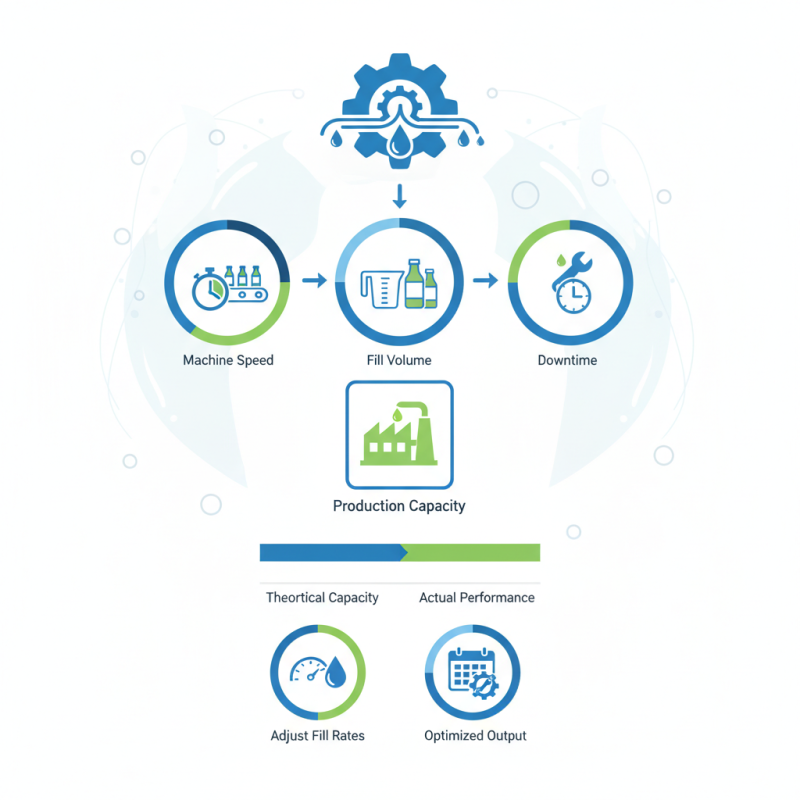
In this discussion, we’ll explore various factors affecting the capacity of filling machines. These include machine speed, fill volume, and downtime. The difference between theoretical calculations and real-world performance often leads to reflections on optimization strategies.

Identifying bottlenecks in production is crucial. Adjusting fill rates and improving maintenance schedules can enhance efficiency. With the right approach, businesses can make informed decisions on liquid filling processes. This knowledge empowers manufacturers to maximize output while maintaining quality standards.
How to calculate liquid filling machine production capacity?

Understanding Liquid Filling Machine Basics

Liquid filling machines are essential in many industries. They ensure efficient and accurate filling of containers with various liquid products. Understanding their basics can help optimize production processes. A liquid filling machine typically operates by measuring the desired volume and dispensing it into the container. This involves several components, including pumps, nozzles, and control systems.

Different types of liquid filling machines cater to various needs. For example, gravity fillers are suitable for thin liquids, while positive displacement fillers work better for thicker substances. The choice of machine impacts the production capacity significantly. Factors such as speed, container size, and filling accuracy play a critical role. Operators must find a balance between speed and quality.

Calculating the production capacity also involves assessing the machine's output per minute and the total operational hours. However, unforeseen issues may arise, such as machine jams or incorrect settings, which can affect overall efficiency. That's why continuous monitoring and adjustments are vital to maintain optimal performance. Understanding these basics can lead to improved operations and greater efficiency in manufacturing processes.

Factors Influencing Production Capacity

Several factors influence the production capacity of liquid filling machines. The speed of the filling machine is crucial. Machines can operate at different rates, which directly affects output. A slower machine will reduce potential production volumes. Additionally, the type of liquid being filled plays a significant role. Thick liquids may take longer to fill than thinner liquids. This variation impacts overall efficiency.

Machine maintenance is another key factor. Regular maintenance ensures machines operate smoothly. Neglect can lead to unexpected downtimes, reducing output. Operator experience also matters. Skilled operators can identify issues quickly and minimize interruptions. Training programs can enhance their capabilities, ensuring the machine operates at optimal levels.

Moreover, the size of the containers influences capacity. Larger containers may require more time to fill. A production line that accommodates varying container sizes can help optimize capacity. Understanding these factors can provide insights into improving production rates. Always assess current systems for potential improvements.

How to calculate liquid filling machine production capacity? - Factors Influencing Production Capacity

Factor Description Impact on Production Capacity
Filling Speed Speed at which the machine fills containers. Higher speeds result in increased production capacity.
Container Size Volume and dimensions of the containers being filled. Larger containers typically slow down the filling process.
Product Viscosity Thickness or resistance to flow of the liquid. Higher viscosity can reduce filling speed.
Machine Efficiency Operational efficiency and downtime of the machine. Greater efficiency increases overall capacity.
Operator Skill Experience and training of the machine operator. Skilled operators enhance production speed and accuracy.
Maintenance Practices Regular upkeep and servicing of machinery. Preventive maintenance improves machine reliability and output.

Step-by-Step Calculation of Production Capacity

To calculate the production capacity of a liquid filling machine, start by assessing key variables. These include the speed of the machine, the size of containers, and the downtime. Industry reports highlight that a standard filling machine can achieve speeds of up to 600 bottles per minute. However, actual output often varies due to maintenance and cleaning intervals, which can take up to 10-15% of operation time.

Next, consider the container size. A machine designed for smaller containers may operate constantly, while larger containers may require slower speeds. A common benchmark is that a machine should fill around 12,000 liters per hour for 500 ml bottles. This quantity can fluctuate based on viscosity and formulation types, impacting flow rates significantly.

In addition, calculate the total number of hours the machine runs per day. If a filling machine operates for 16 hours a day with 90% efficiency, you can determine the maximum output. It is essential to continuously track performance metrics. Industry standards recommend a regular review of machine data to maintain optimal efficiency. Understanding these dynamics can help identify areas for improvement and boost overall productivity.

Liquid Filling Machine Production Capacity

This chart represents the production capacity of a liquid filling machine over a week, illustrating the number of bottles filled per day.

Common Adjustments to Enhance Efficiency

To enhance the efficiency of liquid filling machines, various adjustments can be made. Adjusting the fill speed is one crucial aspect. If the speed is too high, it may result in spills or underfilling. Conversely, a slower speed might increase productivity if the machine handles more delicate products. Finding the right balance often involves trial and error.

Another adjustment involves the fill nozzle design. A well-designed nozzle reduces drips and ensures a consistent flow. Regular cleaning of the nozzle is also essential. Buildup can lead to inconsistent fills, which frustrates operators. Thus, maintenance cannot be overlooked.

Operators should also consider temperature control. For certain liquids, temperature significantly affects viscosity. A higher viscosity may require alterations to both fill speed and nozzle design. Regular analysis of product flow can reveal issues. Monitoring these factors not only boosts capacity but also ensures high-quality output.

Tips for Accurate Capacity Measurement

When measuring the production capacity of a liquid filling machine, accuracy is key. Start by determining the machine's fill speed. This is usually measured in bottles per minute or liters per hour. Understanding the machine's specifications allows for better predictions on output. For instance, if a machine can fill 100 bottles per minute, this equates to a substantial daily output.

Consider the type of liquid being filled. Viscosity plays a significant role. Thicker liquids may slow down the filling process. Therefore, it is essential to adjust calculations based on the characteristics of the liquid. Additionally, fluctuations in production due to maintenance or operator skill can impact overall capacity. Often, these factors are overlooked, leading to unrealistic expectations.

Accuracy in measuring production capacity hinges on regular assessments. Gather data over various shifts to understand performance trends. Evaluate not just average outputs but also downtime causes. Such details can reveal hidden inefficiencies. While aiming for higher capacities, it is crucial to recognize areas needing improvement. Balancing speed with precision ensures that the production remains consistent and reliable.

FAQS

: What factors affect liquid filling machine production capacity?

: Key factors include machine speed, type of liquid, maintenance, and operator experience.

How does machine speed influence output?

Faster machines increase output, while slower ones lower potential production volumes.

Why is maintenance important for filling machines?

Regular maintenance prevents unexpected downtimes and helps maintain production efficiency.

How does container size impact filling capacity?

Larger containers take longer to fill, affecting overall production speed.

What are some adjustments to improve efficiency?

Adjusting fill speed and improving nozzle design can enhance performance.

How can operating hours affect production calculations?

The total running hours and efficiency rates determine maximum output and production potential.

Why is operator training essential in liquid filling?

Skilled operators quickly identify issues and reduce interruptions, improving productivity.

How does the viscosity of liquids influence filling speed?

Thicker liquids may require slower speeds, impacting flow and fill times.

What role does temperature play in filling efficiency?

Temperature can affect viscosity, influencing fill speed and nozzle adjustments.

How often should performance metrics be reviewed?

Regular reviews help maintain optimal efficiency and identify areas for improvement.

Conclusion

To understand how to calculate production capacity of liquid filling machines, one must first grasp the basics of these machines and the key factors that influence their efficiency. Variables such as fill speed, container size, and machine settings play a crucial role in determining overall output. A step-by-step calculation approach can help in accurately assessing production capacity, taking into account various operational elements.

Moreover, common adjustments can be applied to enhance efficiency, such as fine-tuning the fill levels and optimizing machine maintenance. For those seeking accuracy in measuring production capacity, employing tips like regular calibration and performance monitoring can lead to improved results. By following these guidelines, businesses can effectively maximize the productivity of their liquid filling systems.

Charlotte

Charlotte

Charlotte is a seasoned marketing professional with a deep understanding of the company's portfolio and a passion for elevating its presence in the market. With a keen eye for detail and a commitment to excellence, she ensures that our professional blog is regularly updated with insightful articles......