10 Best Tips to Maintain Liquid Filling Machines for Longevity?

Time:2026-05-03 Author:Aria
0%

Maintaining liquid filling machines is essential for ensuring their longevity. Proper upkeep not only enhances performance but also reduces unexpected downtimes. Understanding how to maintain liquid filling machines for longer service life is crucial for manufacturers in the beverage, food, and pharmaceutical industries.

Regular inspection of machine components can prevent minor issues from becoming significant problems. For instance, checking seals and hoses can improve product quality. Additionally, proper cleaning protocols must be established. Using the right cleaning agents and techniques will avoid damaging sensitive components.

Another critical aspect is training your staff. Operators should be well-versed in standard operating procedures. Their expertise will enhance the machine’s operational efficiency and reliability. Reflection on maintenance practices should also happen regularly. If a machine shows signs of wear, quick action is necessary to prevent costly repairs. Fostering a culture of continuous improvement can lead to more effective maintenance strategies.
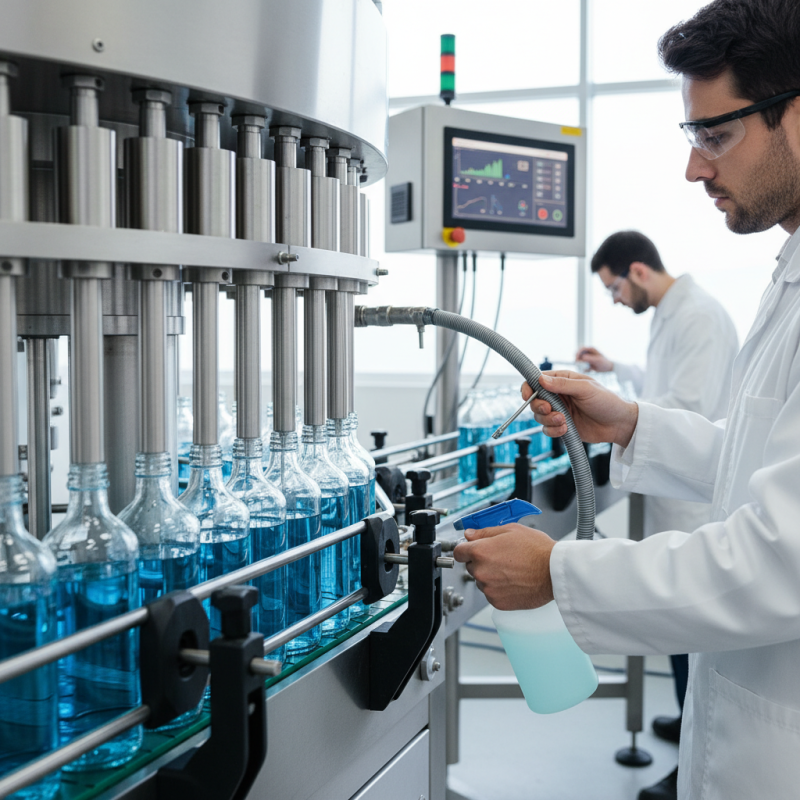
10 Best Tips to Maintain Liquid Filling Machines for Longevity?

Importance of Regular Maintenance for Liquid Filling Machines

Regular maintenance of liquid filling machines is crucial for their longevity. These machines play a vital role in various industries, and neglect can lead to costly downtimes. Routine checks can identify early signs of wear. Addressing these can prevent unexpected breakdowns.

Many operators may overlook the importance of lubrication. Insufficient lubrication can cause wear on moving parts. This leads to potential malfunctions. Additionally, the condition of fluid sealing systems must be monitored. Regular inspection of seals will help maintain accuracy in filling operations.

Incorporating simple cleaning routines can prolong machine life. Cleaning liquid spills promptly minimizes corrosion risk. Also, maintaining a log of maintenance activities can enhance accountability. However, many users forget this step, which can lead to a lack of reference for future checks. Regular training for staff can improve their understanding of these machines. Ignoring the human factor can undermine maintenance efforts. Proper training can empower workers to take proactive measures.

Recommended Cleaning Procedures to Prevent Contamination

Maintaining liquid filling machines is essential for ensuring longevity and efficiency. Regular cleaning is a critical part of this process. Contamination can occur if machines are not properly cleaned, leading to product defects and potential recall situations. According to industry reports, around 60% of production issues arise from unclean equipment. This statistic highlights the importance of adhering to recommended cleaning procedures.

Cleaning protocols should be detailed and tailored to specific machine types. Begin with disassembling removable parts for thorough scrubbing. Use non-toxic cleaning agents to minimize residue risks. Equipment should be rinsed and dried properly after cleaning to avoid water contamination. The frequency of cleaning should be determined by the volume of production. Machines in high-turnover environments may require daily cleaning, while others may be sufficient with weekly schedules.

Training staff on cleaning procedures is vital. Proper knowledge can reduce the chance of human error. Engaging employees in regular training sessions ensures adherence to best practices in cleaning. Investing in employee competence is paramount. These habits will reflect directly on machine performance and product quality, fostering a culture of reliability in operations. Neglecting these practices can lead to costly downtime or product losses.

10 Best Tips to Maintain Liquid Filling Machines for Longevity

Tip Number Maintenance Tip Frequency Recommended Actions
1 Regular Cleaning Daily Wash with food-grade cleaning solutions.
2 Inspect Seals and Gaskets Weekly Check for wear and replace if necessary.
3 Lubricate Moving Parts Monthly Use appropriate lubricant to avoid contamination.
4 Check Calibration Monthly Ensure filling amounts are accurate.
5 Monitor Fluid Quality Per Batch Check for sediment or discoloration.
6 Train Operators Annually Ensure staff know proper operation and cleaning.
7 Inspect Electronics Quarterly Look for loose wires and malfunctions.
8 Replace Filters Every 6 Months Use manufacturer-recommended filters.
9 Check for Leaks Monthly Inspect all connections and hoses.
10 Document Maintenance Continuous Keep logs of all maintenance actions.

Scheduled Lubrication Practices for Optimal Performance

Scheduled lubrication is critical for the longevity of liquid filling machines. Regular lubrication reduces friction and wear, ensuring smoother operations. Lubricate vital components such as bearings, gears, and pistons to prevent premature failure. Choose the right lubrication type for your machine. Oil, grease, or other lubricants each serve specific purposes. Follow the manufacturer's guidelines for proper lubricant application.

Timing matters. Create a lubrication schedule based on usage hours, not just a calendar date. Frequent inspections can help identify lubrication needs early. If machines operate under excessive heat or load, adjust lubrication frequency accordingly. Remember to clean surfaces before applying new lubricant. This practice keeps contaminants at bay.

Performance may vary across different machines. Some parts might require different lubricants. Monitoring and adjusting your lubrication strategy ensures efficiency. Make it a team effort. Train your staff to recognize signs of under-lubrication. Equipment upkeep is a shared responsibility. When machines run smoothly, overall productivity improves greatly.

Identifying Wear and Tear: Key Components to Monitor

Liquid filling machines play a crucial role in the packaging industry. To ensure their longevity, it’s important to monitor several key components for wear and tear. Regular inspection of seals is essential. Worn seals can lead to leaks, negatively impacting production efficiency. Lubrication points also require attention. Insufficient lubrication can cause increased friction and wear on moving parts.

Another critical area is the filling nozzles. They should be checked frequently for clogs or damages. Any blockage can disrupt the flow and accuracy of filling. The conveyor belts should also be examined. Signs of wear on the belts can lead to misalignment and operational delays. Additionally, pay close attention to the alignment of the machine itself. Misalignment can cause undue stress on various components, leading to premature wear.

It’s common for operators to overlook these aspects, thinking everything is functioning smoothly. However, neglecting minor issues can lead to significant problems over time. Diligence in monitoring these components not only improves efficiency but also extends the lifespan of the equipment. Regular maintenance checks can save time and costs in the long run. Investing effort in these areas reflects an organization's commitment to reliability and excellence.

Training Operators: Best Practices for Equipment Handling

Training operators on the effective handling of liquid filling machines is crucial for longevity. Well-trained operators understand the nuances of the equipment. They know how to adjust settings, identify issues, and perform basic maintenance. This knowledge helps reduce downtime and enhances productivity.

Practical training sessions can be beneficial. Operators can engage in hands-on practice to familiarize themselves with the machines. Visual aids, such as diagrams and demonstration videos, can clarify complex procedures. Regular refresher courses help reinforce this knowledge, ensuring that skills remain sharp.

Encouraging a culture of feedback is essential. Operators should feel comfortable reporting problems and suggesting improvements. As they interact with the machines daily, their insights can lead to better practices and troubleshooting techniques. Reflecting on past mistakes is also pivotal. Analyzing errors can lead to significant improvements in handling and maintenance.

10 Best Tips to Maintain Liquid Filling Machines for Longevity

This bar chart illustrates the importance level of various tips for maintaining liquid filling machines, rated on a scale from 1 to 10. These practices are essential for ensuring the longevity and optimal performance of the equipment.

FAQS

: Why is scheduled lubrication important for liquid filling machines?

: Scheduled lubrication reduces friction and wear, ensuring smoother operations. It extends the longevity of the machines.

How should I determine the lubrication schedule?

Create a lubrication schedule based on usage hours instead of a calendar. Frequent inspections can help identify needs.

What components should I lubricate?

Focus on vital components like bearings, gears, and pistons. Proper lubrication prevents premature failure.

How do I clean surfaces before lubrication?

Cleaning surfaces prevents contaminants. Use appropriate cleaning methods before applying any new lubricant.

What should I monitor for wear and tear?

Inspect seals, filling nozzles, and conveyor belts regularly. Worn components can disrupt production efficiency.

How can operator training improve equipment handling?

Training helps operators understand equipment nuances. It reduces downtime and enhances overall productivity.

What methods are effective for training operators?

Practical sessions with hands-on practice are beneficial. Visual aids also clarify complex procedures.

Why is feedback from operators important?

Encouraging feedback allows operators to report problems. Their insights can lead to better practices.

What mistakes should operators reflect on?

Operators should analyze past errors. Reflecting can lead to significant improvements in handling and maintenance.

How often should refresher courses be held?

Regular refresher courses help keep skills sharp and ensure knowledge remains current.

Conclusion

Regular maintenance of liquid filling machines is essential to ensure their longevity and optimal performance. To maintain liquid filling machines for longer service life, it's crucial to adhere to recommended cleaning procedures that prevent contamination, thus safeguarding product quality. Scheduled lubrication practices should be consistently applied to minimize friction and wear, enhancing machine efficiency.

Monitoring key components for signs of wear and tear is vital for proactive maintenance and minimizing unexpected breakdowns. Additionally, training operators in best practices for equipment handling not only extends the life of the machinery but also promotes a safer working environment. By implementing these strategies, operators can maximize the productivity and reliability of their liquid filling machines.

Aria

Aria

Aria is a dedicated marketing professional with a deep passion for innovative strategies and a keen understanding of our company's product offerings. With a wealth of experience in the industry, Aria excels at crafting engaging content that highlights the unique features and benefits of our......