10 Best Tips to Maintain Liquid Filling Machines for Longevity?

Time:2026-08-05 Author:Isabella
0%

In the industrial world, maintaining liquid filling machines has become a critical focus for maximizing efficiency and longevity. Expert Jack Williams, a seasoned technician with over 20 years of experience, emphasizes, "Regular maintenance is the key to ensuring your filling machines operate smoothly." Understanding how to maintain liquid filling machines for longer service life is crucial for manufacturers in various sectors.

Each component of a liquid filling machine requires regular attention. This includes checking seals, adjusting alignment, and cleaning to prevent contamination. A well-maintained machine not only runs more efficiently but also reduces downtime. It's essential to train your staff on proper operation techniques. Many companies overlook basic training, which can lead to costly mistakes and machine issues.

Additionally, incorporating routine inspections can identify minor problems before they require substantial repairs. However, some companies tend to focus solely on production, neglecting this vital aspect. Striking a balance between output and machine care is necessary for operational success. Learning to prioritize maintenance leads to fewer interruptions and extends the machine's life.
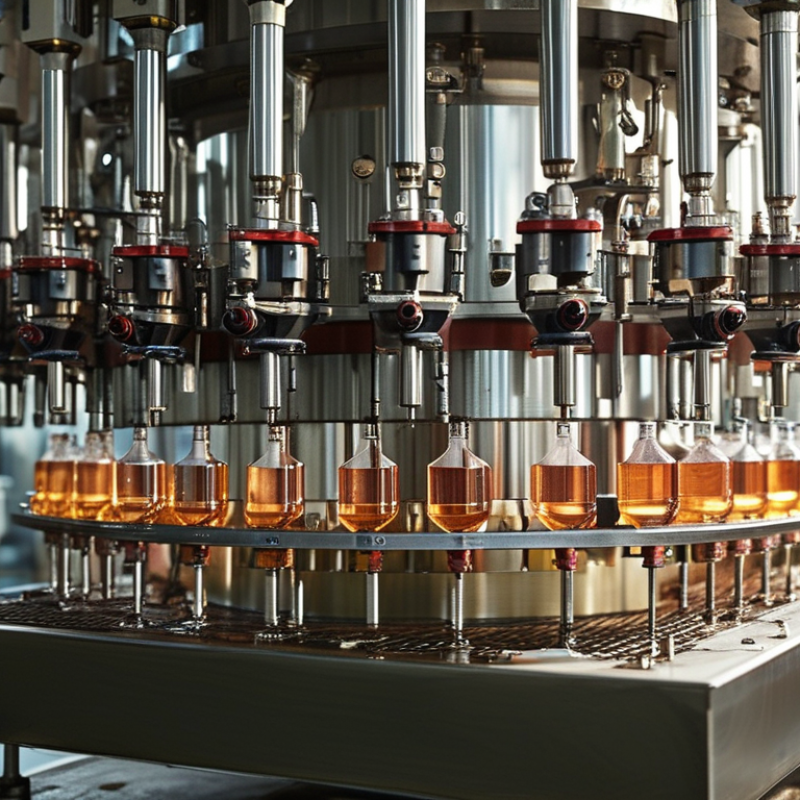
10 Best Tips to Maintain Liquid Filling Machines for Longevity?

Understanding the Importance of Regular Maintenance for Liquid Filling Machines

Regular maintenance of liquid filling machines plays a crucial role in ensuring their longevity and performance. This equipment often experiences wear and tear due to prolonged usage. According to a report from the International Society for Automation, poorly maintained equipment can lead to a 20-30% decrease in efficiency. This loss impacts productivity and increases operational costs significantly.

Regularly scheduled maintenance checks can help identify potential issues before they escalate. Engineers recommend routine inspections every three to six months. These inspections include checking seals, calibrating flow rates, and testing for leaks. Such diligence can extend the lifespan of the machine and minimize downtime. Failure to do so can lead to costly repairs, sometimes exceeding 25% of the machines’ original cost.

Moreover, industry data highlights that 70% of unplanned maintenance costs stem from neglecting routine upkeep. Understanding this reality is essential for operators. Implementing a solid maintenance plan can facilitate better health for your liquid filling machinery, ultimately enhancing both efficiency and reliability.

10 Best Tips to Maintain Liquid Filling Machines for Longevity

Tip Number Maintenance Tip Frequency Expected Outcome
1 Inspect Seals and Gaskets Monthly Prevent leaks and maintain precision.
2 Clean the Fill Nozzles Weekly Ensure accurate filling and prevent clogging.
3 Lubricate Moving Parts Monthly Reduce wear and tear, ensure smooth operation.
4 Check Sensors and Calibration Quarterly Maintain accuracy and reliability.
5 Inspect Electrical Connections Monthly Prevent electrical failures and accidents.
6 Replace Worn Parts As Needed Maintain efficient operation and prevent breakdowns.
7 Review Software Updates Annually Enhance performance and security.
8 Maintain Environmental Conditions Continuous Ensure optimal performance and longevity.
9 Train Operators Regularly Biannually Reduce operator error and improve efficiency.
10 Document Maintenance Activities Ongoing Track history for future reference and audits.

Key Components of Liquid Filling Machines That Require Regular Attention

Liquid filling machines play a crucial role in many industries. Regular maintenance is essential to keep these machines running smoothly. Key components require consistent attention to ensure longevity and efficiency.

One crucial part is the pump. Over time, wear and tear can affect performance. Inspect and clean it regularly to avoid issues. A clogged pump might lead to inconsistent filling. Another important component is the nozzle. Check it for leaks or blockages. A small leak can waste product and affect accuracy. Ensure it's properly calibrated for precise filling.

Additionally, the control panel deserves your focus. Dust can accumulate and affect functionality. Regularly cleaning this area is vital. Operators should be trained to recognize warning signs. Unaddressed alerts can lead to bigger problems. Simple checks throughout the week can prevent major repairs later on.

Step-by-Step Maintenance Procedures for Optimal Machine Performance

Maintaining liquid filling machines ensures their longevity and optimal performance. Regular checks can prevent costly downtimes. Research shows that proactive maintenance can improve machine efficiency by up to 30%. This not only reduces operational costs but also boosts productivity in manufacturing settings.

One essential step in maintenance is inspecting seals and gaskets. These components degrade over time and can lead to leaks. Regular inspections can help spot wear before failure. Monitoring the filling accuracy is crucial too. Studies indicate that a 1% inaccuracy in liquid filling can result in significant financial losses. Cleaning components thoroughly after production runs is vital, as residue buildup can lead to malfunctions.

Training staff on machine operation is equally important. Operators should be aware of the signs of wear and know when to report issues. Ignoring unusual noises or performance changes can lead to bigger problems. Attending to these details can extend the machine's lifespan and maintain production quality. Regular documentation of performance metrics can also help identify patterns that require attention.

Common Issues and Troubleshooting Tips for Liquid Filling Machines

Liquid filling machines are critical in many industries. However, they can face several common issues that affect performance. Regular maintenance is essential to minimize these problems. For instance, leaks often occur due to worn seals or fittings. Regular inspection of these components can help catch issues before they escalate.

Another frequent concern is inaccurate filling. This can happen if the flow rate is not calibrated properly. It’s vital to check calibration settings regularly. If discrepancies are found, recalibration should be performed immediately. Blockages can also lead to operational failures. Inspecting tubes for clogs and performing routine cleaning can prevent these issues.

Monitoring for unusual noises is equally important. Strange sounds can indicate mechanical wear or misalignment. Addressing these concerns quickly can extend the machine's lifespan. Operators should keep a close eye on performance metrics and document any anomalies. Reflecting on these observations can lead to better troubleshooting practices. Regular training for staff can further enhance their ability to identify potential issues early on.

Liquid Filling Machines Maintenance Tips

Best Practices for Training Operators on Machine Maintenance and Care

Training operators on liquid filling machine maintenance is crucial for longevity and efficiency. Ensuring that your team understands the nuances of the machinery can prevent costly downtime. Provide hands-on training sessions regularly. This reinforces their understanding of the machine's components. Encourage operators to ask questions and share experiences. This collaborative approach can foster a culture of continuous learning.

Regular maintenance tips include keeping the machines clean. Operators must wipe down surfaces to prevent buildup. They should also regularly check seals and gaskets for wear. Not all problems are visible initially. That's why training operators to identify signs of wear is essential. They can catch issues before they become serious.

Create a maintenance schedule that operators can follow. It should outline daily, weekly, and monthly tasks. Make it easy to understand. A visual checklist can help them keep track. Encourage operators to document any anomalies during their shifts. This reflection can aid in identifying patterns or recurring issues. Operators should feel empowered to suggest improvements based on their experiences.

FAQS

: Why is regular maintenance important for liquid filling machines?

: Regular maintenance ensures longevity and performance, reducing wear due to prolonged use.

What happens if I neglect maintenance on my machine?

Neglect can cause a 20-30% decrease in efficiency and increases operational costs.

How often should maintenance checks be scheduled?

Engineers recommend routine inspections every three to six months for optimal performance.

What should be included in a maintenance inspection?

Check seals, calibrate flow rates, and test for leaks during each inspection.

What could unplanned maintenance costs indicate?

Unplanned costs often stem from neglecting routine upkeep, impacting the overall budget.

How can I ensure the pump functions well?

Inspect and clean the pump regularly to prevent clogs and ensure consistent filling.

Why should the nozzle be checked regularly?

Leaks or blockages in the nozzle can waste product and affect filling accuracy.

What maintenance is needed for the control panel?

Regular cleaning is vital to prevent dust accumulation that could affect machine functionality.

Can operators identify warning signs?

Yes, training operators to recognize alerts can help prevent major issues down the line.

How can routine checks prevent costly repairs?

Simple maintenance practices can identify potential problems before they escalate into expensive repairs.

Conclusion

Maintaining liquid filling machines is crucial for ensuring their longevity and optimal performance. Understanding the importance of regular maintenance can prevent costly downtimes and extend the service life of these essential machines. Key components such as pumps, nozzles, and control systems require regular attention to function effectively. A structured step-by-step maintenance procedure can enhance machine operation, while being vigilant about common issues and employing troubleshooting tips can quickly resolve potential problems.

To maximize the longevity of liquid filling machines, training operators on best maintenance practices is essential. Proper operator training not only ensures that maintenance tasks are performed correctly but also promotes a culture of care and responsibility toward equipment. Ultimately, knowing how to maintain liquid filling machines for longer service life is vital for any operation relying on these systems to meet production demands.

Isabella

Isabella

Isabella is a dedicated marketing professional with a sharp focus on driving brand growth and engagement through strategic content creation. With an extensive background in digital marketing, she combines her passion for storytelling with her keen understanding of industry trends to deliver......